Search News
Industry Portal
Hot Articles
- How Factories Can Select Air Quality Controls for Dust, Fumes, and VOCsIndustrial air quality control for factories: learn how to select effective solutions for dust, fumes, and VOCs while improving safety, compliance, energy efficiency, and uptime.
- How to Size Industrial Gas Scrubbing Units for Acid Fumes and Variable AirflowsIndustrial gas scrubbing units: learn how to size acid-fume scrubbers for variable airflows, peak loads, chemical demand, pressure drop, and reliable compliance.
- How to Evaluate Industrial Air Quality Control Systems for Dust, Fumes, and VOCsIndustrial air quality control systems: learn how to evaluate dust, fumes, and VOC solutions by capture efficiency, compliance, maintenance, and lifecycle cost.
Popular Tags
How to compare industrial ventilation solutions wisely
author
Time
Click Count
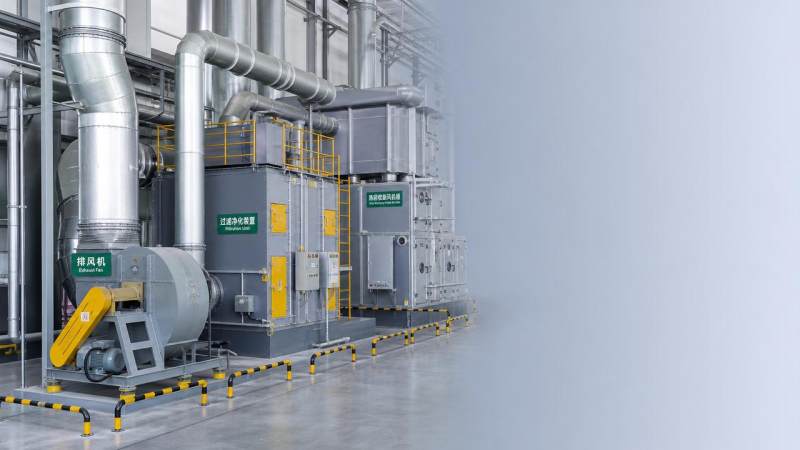
Choosing industrial ventilation solutions is not only an airflow decision. It directly affects worker safety, process stability, emission control, and energy spending across very different industrial and commercial environments.
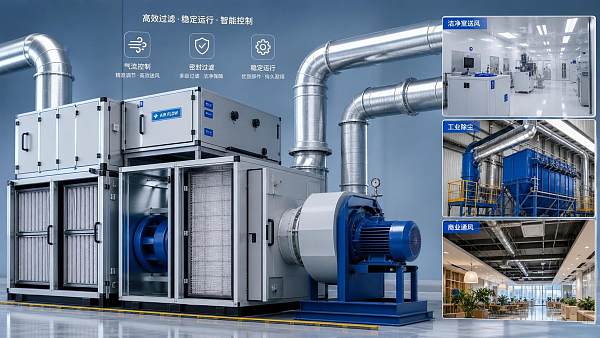
A wise comparison starts with the real operating scene. Industrial ventilation solutions for welding bays, battery coating rooms, chemical exhaust lines, and commercial retrofit projects should never be judged by one airflow number alone.
The best evaluation method connects hazard type, pressure control, filtration stage, corrosion risk, uptime target, and lifecycle cost. When those factors are aligned, industrial ventilation solutions become a long-term asset instead of a recurring problem.
Why scenario judgment comes before comparing industrial ventilation solutions
Different spaces breathe differently. A tunnel, a clean workshop, and a metal fabrication area may all need ventilation, but their risk profiles are fundamentally different.
Some sites must remove explosive fumes fast. Others must protect product quality through clean airflow patterns. Some require heat recovery to reduce HVAC load while maintaining fresh air supply.
This is why comparing industrial ventilation solutions by fan size or purchase price alone often leads to underperformance, non-compliance, and expensive redesign later.
A better method is to define the scene first, then compare control logic, capture efficiency, pressure strategy, material durability, and operating economics within that scene.
Scene 1: Fume-heavy workshops need fast capture and safe exhaust paths
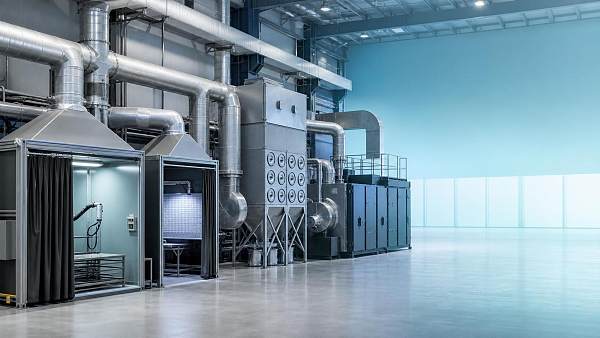
Welding, grinding, cutting, and thermal processing generate heat, smoke, sparks, and suspended particles. Here, industrial ventilation solutions must control both worker exposure and heat accumulation.
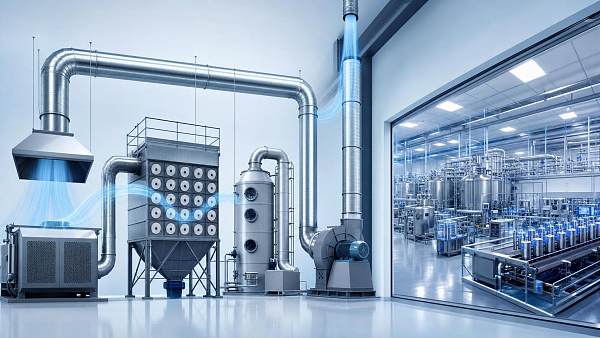
The first judgment point is source capture. Local exhaust near the emission point usually outperforms general dilution ventilation because contaminants are removed before spreading through the room.
The second point is air path design. Fresh air entry and exhaust discharge should create a clean directional flow, not dead zones that trap fumes over occupied work areas.
Explosion-proof fans, spark-resistant materials, and duct cleanliness are also critical when combustible dust or flammable vapors may exist. Safety rating matters as much as airflow volume.
Key checks for this scene
- Capture velocity at the source
- Duct routing that avoids pressure loss spikes
- Fan suitability for sparks, dust, or explosive gas
- Filter access and maintenance safety
- Noise control near occupied zones
Scene 2: Precision manufacturing needs airflow stability, not just air exchange
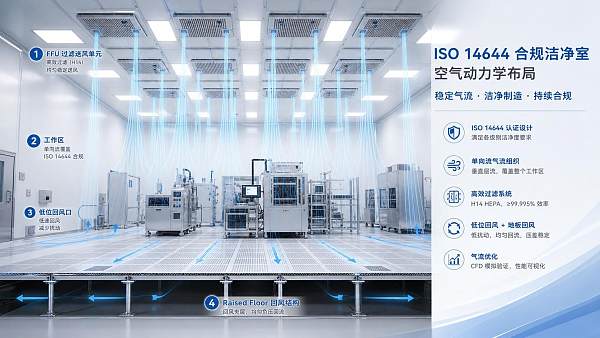
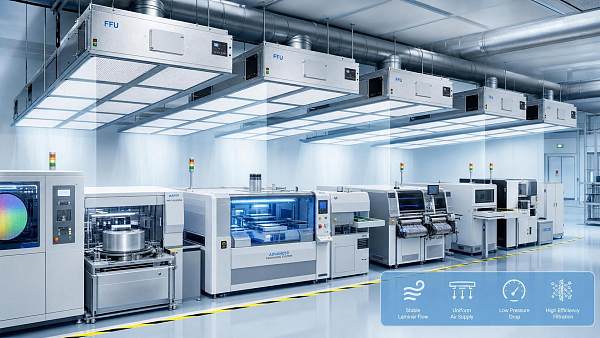
In electronics, semiconductors, battery coating, and advanced assembly, industrial ventilation solutions support process quality as much as human comfort. Air movement can influence yield, moisture, and contamination.
These spaces often need coordinated control between FFU arrays, CRAC units, exhaust lines, and pressure cascades. A high airflow rate becomes harmful if it disturbs laminar flow or brings moisture into sensitive zones.
The main judgment point is environmental precision. Compare dew point stability, temperature control range, pressure differential accuracy, and particle removal consistency, not only nominal cubic meters per hour.
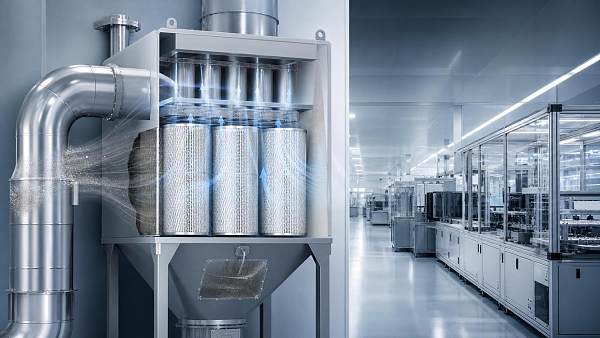
For micro-dust isolation areas, filter grade, airflow uniformity, and recoverability after door opening events matter greatly. Smart controls can also prevent oversupply, which wastes energy without improving cleanliness.
What matters most here
- Pressure zoning between clean and adjacent rooms
- Moisture suppression and dew point reliability
- Compatibility with cleanroom and process standards
- Control integration with monitoring systems
- Energy use under part-load operation
Scene 3: Chemical and heavy industry require treatment before discharge
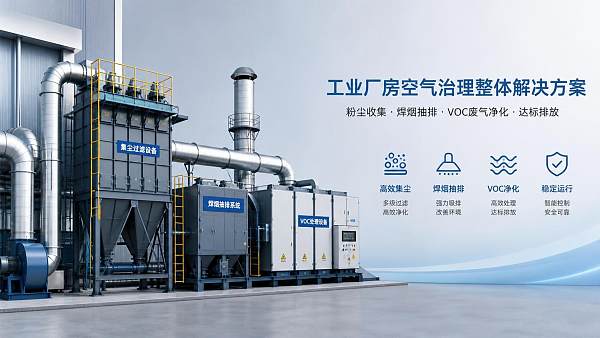
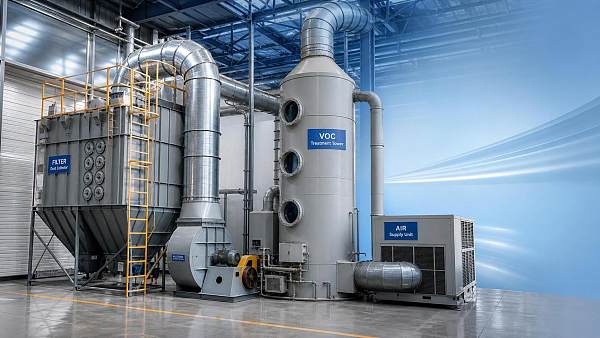
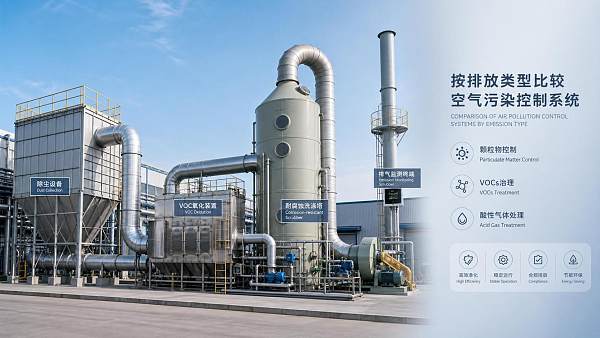
For chemical processing, metallurgy, coating lines, and solvent handling, industrial ventilation solutions must do more than move air. They must support compliant gas treatment and protect equipment from corrosion.
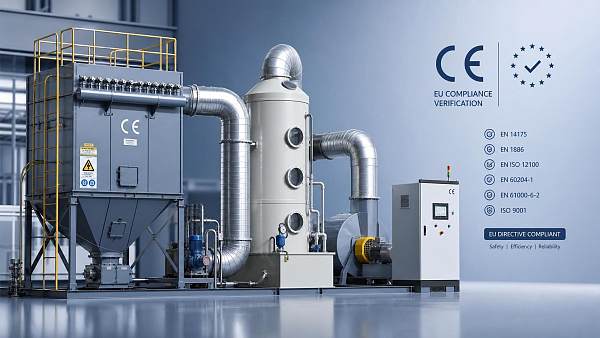
The critical question is what the exhaust contains. VOCs, acid mist, alkaline gas, fine dust, or mixed contaminants each demand a different treatment path and construction material.
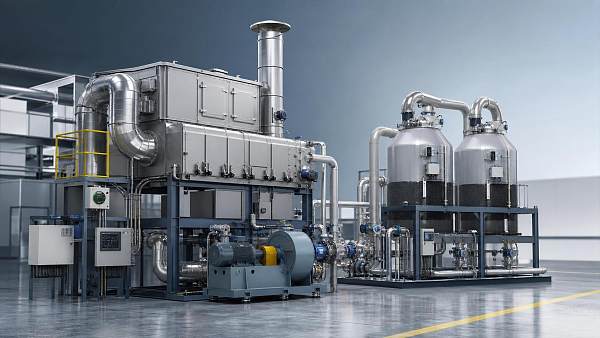
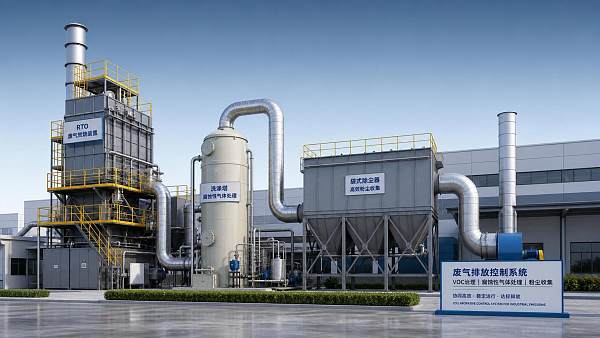
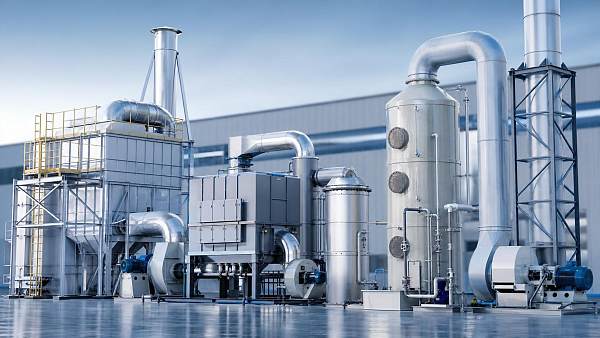
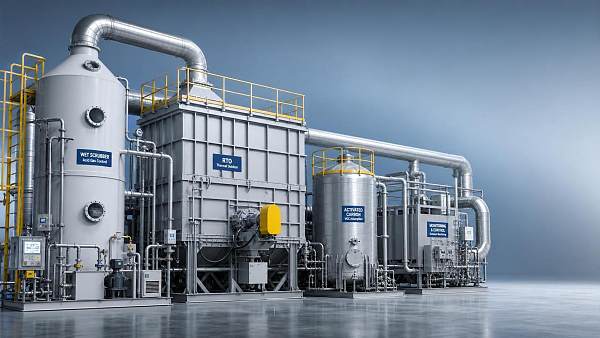
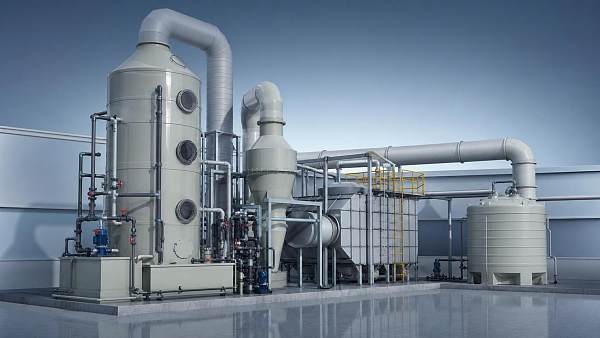
Cyclone separators may handle coarse particulate load. Wet scrubbers may neutralize reactive gases. Plasma or catalytic stages may be needed for complex emissions. The wrong pairing causes low efficiency and higher downtime.
Compare industrial ventilation solutions here by system compatibility, not isolated component performance. Fan curves, duct resistance, treatment pressure drop, drainage, and corrosion resistance must work as one chain.
Scene 4: Commercial and mixed-use buildings need fresh air with energy recovery
Industrial ventilation solutions also appear in large commercial spaces, logistics centers, and hybrid industrial offices. In these scenes, indoor air quality and energy efficiency often carry equal weight.
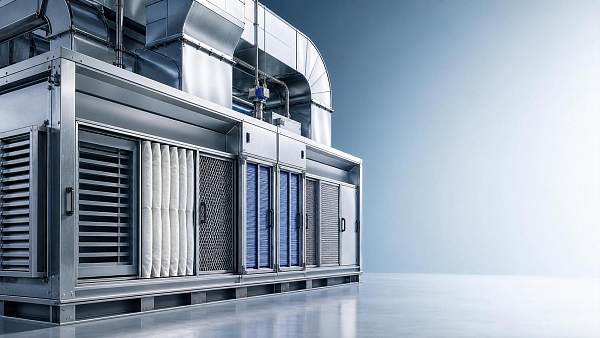
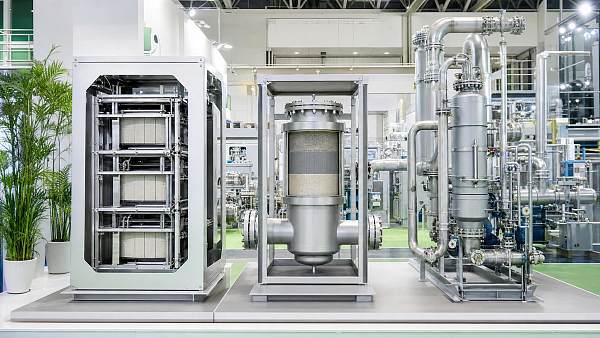
Energy recovery ventilators help recover cooling or heating from exhaust air. This reduces the burden on central HVAC systems while keeping outdoor air supply at healthier levels.
The main judgment point is annual operating balance. A lower-cost unit may seem attractive, yet poor heat recovery, leakage, or difficult maintenance can erase that advantage quickly.
Look at thermal recovery efficiency, cross-contamination risk, fan power, filter replacement frequency, and control compatibility with building management systems.
How different scenes change the comparison criteria
Practical ways to compare industrial ventilation solutions wisely
A strong comparison process uses structured questions. It turns technical proposals into measurable decision points and reduces the chance of selecting a system that fits only on paper.
- Define contaminant type, concentration pattern, and peak load.
- Map airflow direction, occupied zones, and source locations.
- Check applicable standards, safety ratings, and emission limits.
- Compare total pressure, treatment stages, and fan performance together.
- Estimate filter life, cleaning intervals, and spare part access.
- Calculate lifecycle cost, not only initial equipment cost.
- Review control logic for load changes and future expansion.
When comparing industrial ventilation solutions, ask suppliers for performance data under realistic operating conditions. Laboratory values without actual pressure, dust, or humidity assumptions can mislead decisions.
Recommended fit by scene and need
Common misjudgments when selecting industrial ventilation solutions
One frequent mistake is using air changes per hour as the only benchmark. It is useful, but it does not reveal source capture quality, pollutant behavior, or treatment adequacy.
Another mistake is ignoring pressure drop growth over time. Filters load, ducts foul, and scrubber sections change system resistance. Without margin, real airflow declines quickly.
Material mismatch is another hidden cost. Corrosive gases, humidity, and temperature swings can damage housings, fans, seals, and sensors faster than expected.
Many projects also underestimate controls. Variable speed drives, pressure sensors, and condition monitoring often improve both energy performance and reliability in industrial ventilation solutions.
A smart next step for better evaluation
To compare industrial ventilation solutions wisely, start with a scene-based checklist. Record contaminant sources, operating hours, target pressure zones, maintenance limits, and compliance requirements.
Then request matched proposals that show airflow path, fan selection, treatment sequence, control logic, expected energy use, and lifecycle service assumptions. This makes side-by-side evaluation more honest and useful.
For projects involving precision climate control, clean airflow, gas treatment, or heat recovery, integrated technical intelligence matters. It helps connect microscopic filtration, thermodynamic efficiency, and real operating risk.
When industrial ventilation solutions are judged by scene, need, and long-term value, the final choice becomes safer, more efficient, and more resilient for future production demands.
Recommended News
 Aug 28, 2026How Factories Can Select Air Quality Controls for Dust, Fumes, and VOCsIndustrial air quality control for factories: learn how to select effective solutions for dust, fumes, and VOCs while improving safety, compliance, energy efficiency, and uptime.
 Aug 26, 2026How to Evaluate Industrial Air Quality Control Systems for Dust, Fumes, and VOCsIndustrial air quality control systems: learn how to evaluate dust, fumes, and VOC solutions by capture efficiency, compliance, maintenance, and lifecycle cost.
 Aug 20, 2026How to Select Airflow Control Dampers for Pressure Balance and Energy EfficiencyAirflow control dampers selection starts with pressure balance, leakage, and control authority—not duct size alone. Learn how to improve stability and energy efficiency.
 Aug 10, 2026How to Evaluate Automated Industrial Exhaust Treatment Systems for VOC ControlAutomated industrial exhaust treatment systems for VOC control: learn how to compare compliance, automation, energy use, safety, and lifecycle cost before selecting the right solution.
 Aug 01, 2026Cleanroom Aerodynamic Design Layout: How to Optimize Airflow for ComplianceCleanroom aerodynamic design layout tips for optimizing airflow, FFU placement, return paths, and pressure cascade to support ISO 14644 compliance and improve cleanroom performance.
 Jul 25, 2026How to Verify CE Certified Industrial Emission Control Systems for EU Compliance?Industrial emission control CE certified systems require more than a CE mark. Learn how to verify EU directives, test evidence, ATEX scope, and risk files before you buy.
 Jul 18, 2026How to Choose an Aerodynamic Filtration System: Key Parameters and Application FitAerodynamic filtration system selection starts with pressure drop, airflow uniformity, particle capture, and application fit. Learn how to compare options for cleanrooms, industry, and HVAC with confidence.
 Jul 17, 2026How to Choose Industrial Clean Air Systems: Key Airflow, Filtration, and Compliance FactorsIndustrial clean air systems buying guide: compare airflow, filtration, energy efficiency, and compliance factors to choose safer, cost-effective solutions for your facility.
 Jul 16, 2026How to Choose an Industrial Emission Control Supplier for RTO, Scrubber, and Dust Collection ProjectsIndustrial emission control supplier selection for RTO, scrubber, and dust collection projects: compare compliance, lifecycle cost, service, and technical fit.
 Jul 15, 2026How Aerodynamic Filtration Improves High-Efficiency Dust Capture in Industrial Air SystemsAerodynamic filtration high efficiency boosts dust capture by optimizing airflow, pressure stability, and particle control in industrial air systems. Learn how to cut energy waste and improve compliance.
 Jul 14, 2026Industrial Emission Control Systems in Europe: How to Compare RTO, RCO, and Wet ScrubbersIndustrial emission control systems Europe: compare RTO, RCO, and wet scrubbers by VOCs, acid gases, energy use, and compliance fit to choose the right solution.
 Jul 12, 2026Industrial Air Quality Testing: What to Measure and How to Read the ResultsIndustrial air quality testing made practical: learn what to measure, how to interpret results, and how to turn data into safer operations, better product quality, and smarter control decisions.
 Jul 11, 2026Industrial Clean Air Technology Price: What Drives System Cost in Manufacturing Projects?Industrial clean air technology price depends on more than size. Discover the real cost drivers in manufacturing projects, from filtration and dew point control to compliance, energy use, and supplier scope.
 Jul 08, 2026Aerodynamic Filtration in Electronics: Solving Pressure Drop and Yield RisksAerodynamic filtration electronics directly affects pressure drop, contamination control, and yield. Learn how to reduce airflow instability, cut defects, and improve cleanroom performance.
 Jul 03, 2026How to Choose Industrial Clean Air Equipment for Dust, Fumes, and VOC ControlIndustrial clean air equipment selection made practical: learn how to match dust, fumes, and VOC control systems to compliance, process needs, energy efficiency, and long-term cost.
 Jun 30, 2026Zero Emission Air Treatment for Battery Plants: Cost Drivers, Compliance, and ROIZero emission air treatment for battery plants: uncover key cost drivers, compliance risks, and ROI factors to cut lifecycle costs, protect uptime, and support scalable plant growth.
 Jun 29, 2026How to Compare Air Pollution Control Systems in North America by Emission TypeAir pollution control systems North America compared by emission type: learn how to evaluate dust, VOC, and acid gas solutions for compliance, cost, and process fit.
 Jun 28, 2026How to Compare Industrial Gas Treatment Systems in the USA by Emission Type and Compliance NeedsIndustrial gas treatment systems USA buyers can compare by emission type, compliance risk, and lifecycle cost. Learn how to choose the right solution with confidence.
 Jun 27, 2026How Industrial Emission Control Systems Help Plants Meet Air Compliance RequirementsIndustrial emission control helps plants meet air compliance requirements while improving process stability, worker safety, and audit readiness. Learn what to evaluate before upgrading.
 Jun 26, 2026Gas Scrubbing Systems Explained: How to Match Scrubber Type to Exhaust ContaminantsGas scrubbing systems explained: learn how to match scrubber types to acid gases, VOCs, particulates, and corrosive exhaust for better compliance, reliability, and lifecycle performance.
 Jun 24, 2026Tonxing Tech Showcases Compliance-Ready Green Tech in VietnamTonxing Tech showcases compliance-ready green tech in Vietnam, featuring SCR catalysts, CO catalysts, and TXio carbon capture for importers seeking efficient, low-carbon solutions.
 Jun 23, 2026Industrial Air Handling vs Dedicated Exhaust: Which Layout Fits Your Facility Better?Industrial air handling vs dedicated exhaust: discover which layout improves contamination control, compliance, energy efficiency, and long-term facility performance.
 Jun 22, 2026Industrial Air Purification for Dust, Fumes, and VOCs: How to Match the Right SystemIndustrial air purification starts with the process. Learn how to match dust, fume, and VOC control systems for safer compliance, lower energy costs, and more reliable plant performance.
 Jun 22, 2026ISO 22067-2:2026 Sets New Green Data ThresholdsISO 22067-2:2026 sets new green data thresholds for post-press operations, helping suppliers prepare for ESG reviews, EPD alignment, and stricter green procurement demands.