Search News
Industry Portal
Hot Articles
- How Factories Can Select Air Quality Controls for Dust, Fumes, and VOCsIndustrial air quality control for factories: learn how to select effective solutions for dust, fumes, and VOCs while improving safety, compliance, energy efficiency, and uptime.
- How to Size Industrial Gas Scrubbing Units for Acid Fumes and Variable AirflowsIndustrial gas scrubbing units: learn how to size acid-fume scrubbers for variable airflows, peak loads, chemical demand, pressure drop, and reliable compliance.
- How to Evaluate Industrial Air Quality Control Systems for Dust, Fumes, and VOCsIndustrial air quality control systems: learn how to evaluate dust, fumes, and VOC solutions by capture efficiency, compliance, maintenance, and lifecycle cost.
Popular Tags
How to choose a reliable cyclone separation supplier
author
Time
Click Count
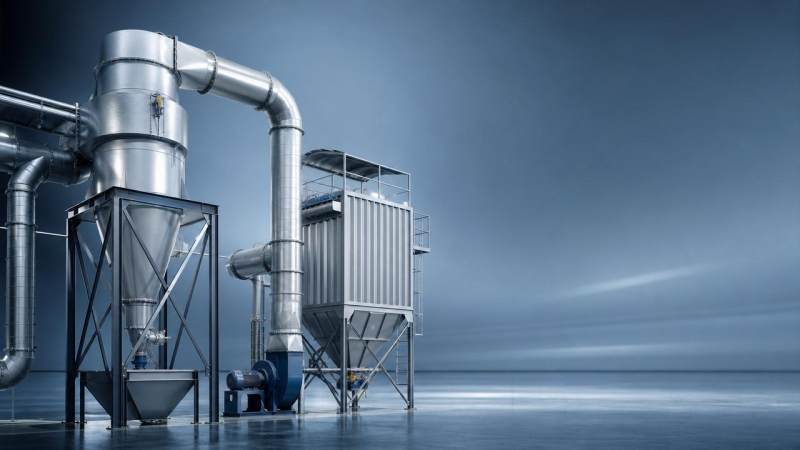
Choosing a reliable cyclone separation supplier is critical for emission control, dust capture, uptime, and long-term operating cost. In industrial environments, supplier quality directly affects compliance, maintenance frequency, and process stability. A smart sourcing decision should evaluate technical strength, engineering fit, service depth, and measurable lifecycle value.
What does a reliable cyclone separation supplier actually provide?
A reliable cyclone separation supplier provides more than equipment. It delivers application knowledge, process analysis, engineering support, and post-installation service.
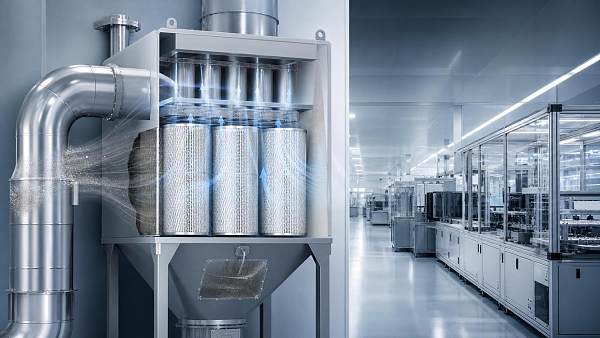
Cyclone separation works by using centrifugal force to remove particulate matter from gas streams. Performance depends on geometry, airflow, dust properties, pressure loss, and system integration.
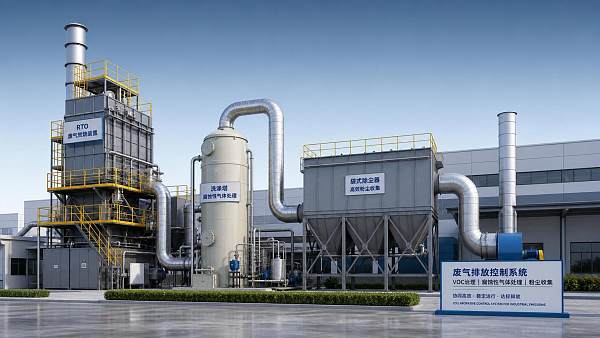
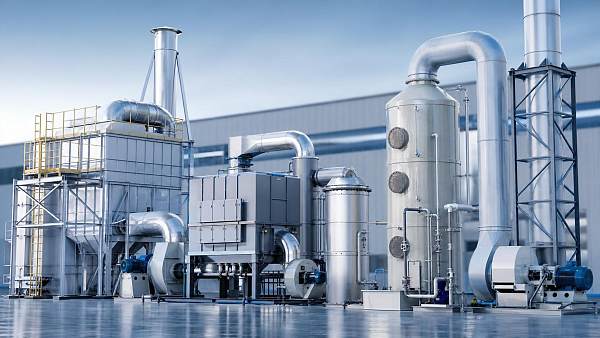
In CECS-observed industries, cyclone units often support dust collectors, scrubbers, and zero-emission treatment systems. They are common in chemicals, metallurgy, cement, food, biomass, and new energy processing.
A dependable cyclone separation supplier should understand upstream and downstream equipment. That includes fans, ducts, filters, hoppers, rotary valves, and emission monitoring interfaces.
If a supplier only quotes dimensions and price, the risk increases. Strong suppliers discuss particle size distribution, gas temperature, moisture, abrasion, and target collection efficiency.
Key deliverables to expect
- Process-based design calculation
- Material and wear-resistance recommendations
- Pressure drop and efficiency estimates
- Installation drawings and maintenance guidance
- Support for compliance and performance verification
How can technical capability be verified before selecting a cyclone separation supplier?
Technical capability should be proven, not assumed. A reliable cyclone separation supplier can explain why a design fits a specific operating condition.
Start with case evidence. Ask for projects involving similar dust load, inlet temperature, corrosive content, moisture level, and airflow range.
Review engineering depth. Strong suppliers provide cut size logic, expected separation efficiency, and pressure loss ranges under real conditions.
Material selection is another test. Carbon steel may work in basic dry duty, while stainless steel, ceramic lining, or hardened wear plates fit harsher service.
For high-end manufacturing or strict environmental control, design consistency matters. Poorly designed cyclones can destabilize downstream filtration and increase fan energy use.
Questions that reveal engineering strength
- What particle sizes are realistically captured?
- How does efficiency change with variable airflow?
- What lining or material protects against erosion?
- How is hopper discharge designed to avoid re-entrainment?
- What data supports the proposed pressure drop?
A reliable cyclone separation supplier should answer clearly and quantitatively. Vague promises often indicate limited testing or weak field experience.
Which application factors matter most when comparing cyclone separation suppliers?
Application fit is often the difference between stable performance and constant troubleshooting. The same cyclone design does not suit every process.
Dust characteristics come first. Fine, sticky, fibrous, hygroscopic, or abrasive particles require different geometry and material choices.
Gas conditions also matter. High temperature, acid gas presence, or humidity can affect corrosion, build-up, and separator efficiency.
Space constraints influence orientation, maintenance access, and duct arrangement. A reliable cyclone separation supplier adapts design without damaging flow quality.
System role must be clarified. A cyclone may act as pre-separation before bag filters, a product recovery device, or a protective stage before wet scrubbing.
How do cost, lead time, and lifecycle value differ among suppliers?
Lowest purchase price rarely means lowest total cost. A reliable cyclone separation supplier reduces hidden expenses across energy, maintenance, downtime, and replacement cycles.
Pressure drop affects fan power. Excessive resistance increases energy consumption for years. Better design may cost more upfront but save much more later.
Wear life is another major cost variable. In abrasive service, a poorly protected cyclone can fail early and interrupt operations.
Lead time should also be realistic. Fast delivery is useful only when fabrication quality, documentation, and dimensional control remain strong.
A reliable cyclone separation supplier usually offers transparent quotations. These should separate equipment cost, optional lining, instruments, installation support, and spare parts.
Look beyond the quote
- Expected service life in your duty
- Estimated energy impact from pressure drop
- Ease of spare part replacement
- Maintenance interval recommendations
- Field support availability after commissioning
What are the biggest risks and red flags when choosing a cyclone separation supplier?
Several warning signs should trigger deeper review. One common issue is relying on standard models without checking actual dust and gas characteristics.
Another red flag is unsupported efficiency claims. A reliable cyclone separation supplier explains limitations, especially for very fine particles.
Weak discharge design is also risky. If air leakage occurs at the hopper outlet, collected dust can re-enter the gas stream.
Missing documentation creates future problems. Drawings, material certificates, operating manuals, and maintenance instructions should be complete and usable.
Finally, poor communication can become a hidden cost. Delays in technical clarification often lead to installation errors and startup disputes.
Common mistakes to avoid
- Choosing by price alone
- Ignoring erosion and corrosion risk
- Assuming one design fits all processes
- Overlooking pressure drop impact
- Skipping reference checks and service review
How can a final supplier decision be made with more confidence?
A structured comparison method improves decision quality. Evaluate each cyclone separation supplier across technical fit, risk control, delivery reliability, and support commitment.
Use a scoring sheet instead of informal judgment. This helps compare suppliers that look similar in price but differ strongly in engineering value.
It is also useful to request a technical clarification meeting. The best cyclone separation supplier usually demonstrates strong listening, practical thinking, and clear risk disclosure.
In complex environmental control systems, confidence comes from traceable logic. That is especially true when cyclone separation supports broader dust, gas, or ventilation strategies.
FAQ summary: what should be checked first?
Selecting a reliable cyclone separation supplier requires careful review of technical fit, durability, compliance support, and long-term economics. The best choice is rarely the fastest quote or the lowest bid.
A practical next step is to prepare process data, define performance targets, and compare shortlisted suppliers with a weighted checklist. This approach turns sourcing risk into a controlled decision.
For operations connected to dust control, gas treatment, ventilation, or high-performance environmental systems, the right cyclone separation supplier becomes a meaningful partner in efficiency, safety, and sustainable industrial performance.
Recommended News
 Aug 28, 2026How Factories Can Select Air Quality Controls for Dust, Fumes, and VOCsIndustrial air quality control for factories: learn how to select effective solutions for dust, fumes, and VOCs while improving safety, compliance, energy efficiency, and uptime.
 Aug 26, 2026How to Evaluate Industrial Air Quality Control Systems for Dust, Fumes, and VOCsIndustrial air quality control systems: learn how to evaluate dust, fumes, and VOC solutions by capture efficiency, compliance, maintenance, and lifecycle cost.
 Aug 20, 2026How to Select Airflow Control Dampers for Pressure Balance and Energy EfficiencyAirflow control dampers selection starts with pressure balance, leakage, and control authority—not duct size alone. Learn how to improve stability and energy efficiency.
 Aug 10, 2026How to Evaluate Automated Industrial Exhaust Treatment Systems for VOC ControlAutomated industrial exhaust treatment systems for VOC control: learn how to compare compliance, automation, energy use, safety, and lifecycle cost before selecting the right solution.
 Aug 01, 2026Cleanroom Aerodynamic Design Layout: How to Optimize Airflow for ComplianceCleanroom aerodynamic design layout tips for optimizing airflow, FFU placement, return paths, and pressure cascade to support ISO 14644 compliance and improve cleanroom performance.
 Jul 25, 2026How to Verify CE Certified Industrial Emission Control Systems for EU Compliance?Industrial emission control CE certified systems require more than a CE mark. Learn how to verify EU directives, test evidence, ATEX scope, and risk files before you buy.
 Jul 18, 2026How to Choose an Aerodynamic Filtration System: Key Parameters and Application FitAerodynamic filtration system selection starts with pressure drop, airflow uniformity, particle capture, and application fit. Learn how to compare options for cleanrooms, industry, and HVAC with confidence.
 Jul 17, 2026How to Choose Industrial Clean Air Systems: Key Airflow, Filtration, and Compliance FactorsIndustrial clean air systems buying guide: compare airflow, filtration, energy efficiency, and compliance factors to choose safer, cost-effective solutions for your facility.
 Jul 16, 2026How to Choose an Industrial Emission Control Supplier for RTO, Scrubber, and Dust Collection ProjectsIndustrial emission control supplier selection for RTO, scrubber, and dust collection projects: compare compliance, lifecycle cost, service, and technical fit.
 Jul 15, 2026How Aerodynamic Filtration Improves High-Efficiency Dust Capture in Industrial Air SystemsAerodynamic filtration high efficiency boosts dust capture by optimizing airflow, pressure stability, and particle control in industrial air systems. Learn how to cut energy waste and improve compliance.
 Jul 14, 2026Industrial Emission Control Systems in Europe: How to Compare RTO, RCO, and Wet ScrubbersIndustrial emission control systems Europe: compare RTO, RCO, and wet scrubbers by VOCs, acid gases, energy use, and compliance fit to choose the right solution.
 Jul 12, 2026Industrial Air Quality Testing: What to Measure and How to Read the ResultsIndustrial air quality testing made practical: learn what to measure, how to interpret results, and how to turn data into safer operations, better product quality, and smarter control decisions.
 Jul 11, 2026Industrial Clean Air Technology Price: What Drives System Cost in Manufacturing Projects?Industrial clean air technology price depends on more than size. Discover the real cost drivers in manufacturing projects, from filtration and dew point control to compliance, energy use, and supplier scope.
 Jul 08, 2026Aerodynamic Filtration in Electronics: Solving Pressure Drop and Yield RisksAerodynamic filtration electronics directly affects pressure drop, contamination control, and yield. Learn how to reduce airflow instability, cut defects, and improve cleanroom performance.
 Jul 03, 2026How to Choose Industrial Clean Air Equipment for Dust, Fumes, and VOC ControlIndustrial clean air equipment selection made practical: learn how to match dust, fumes, and VOC control systems to compliance, process needs, energy efficiency, and long-term cost.
 Jun 30, 2026Zero Emission Air Treatment for Battery Plants: Cost Drivers, Compliance, and ROIZero emission air treatment for battery plants: uncover key cost drivers, compliance risks, and ROI factors to cut lifecycle costs, protect uptime, and support scalable plant growth.
 Jun 29, 2026How to Compare Air Pollution Control Systems in North America by Emission TypeAir pollution control systems North America compared by emission type: learn how to evaluate dust, VOC, and acid gas solutions for compliance, cost, and process fit.
 Jun 28, 2026How to Compare Industrial Gas Treatment Systems in the USA by Emission Type and Compliance NeedsIndustrial gas treatment systems USA buyers can compare by emission type, compliance risk, and lifecycle cost. Learn how to choose the right solution with confidence.
 Jun 27, 2026How Industrial Emission Control Systems Help Plants Meet Air Compliance RequirementsIndustrial emission control helps plants meet air compliance requirements while improving process stability, worker safety, and audit readiness. Learn what to evaluate before upgrading.
 Jun 26, 2026Gas Scrubbing Systems Explained: How to Match Scrubber Type to Exhaust ContaminantsGas scrubbing systems explained: learn how to match scrubber types to acid gases, VOCs, particulates, and corrosive exhaust for better compliance, reliability, and lifecycle performance.
 Jun 24, 2026Tonxing Tech Showcases Compliance-Ready Green Tech in VietnamTonxing Tech showcases compliance-ready green tech in Vietnam, featuring SCR catalysts, CO catalysts, and TXio carbon capture for importers seeking efficient, low-carbon solutions.
 Jun 23, 2026Industrial Air Handling vs Dedicated Exhaust: Which Layout Fits Your Facility Better?Industrial air handling vs dedicated exhaust: discover which layout improves contamination control, compliance, energy efficiency, and long-term facility performance.
 Jun 22, 2026Industrial Air Purification for Dust, Fumes, and VOCs: How to Match the Right SystemIndustrial air purification starts with the process. Learn how to match dust, fume, and VOC control systems for safer compliance, lower energy costs, and more reliable plant performance.
 Jun 22, 2026ISO 22067-2:2026 Sets New Green Data ThresholdsISO 22067-2:2026 sets new green data thresholds for post-press operations, helping suppliers prepare for ESG reviews, EPD alignment, and stricter green procurement demands.