Search News
Industry Portal
Hot Articles
- How Factories Can Select Air Quality Controls for Dust, Fumes, and VOCsIndustrial air quality control for factories: learn how to select effective solutions for dust, fumes, and VOCs while improving safety, compliance, energy efficiency, and uptime.
- How to Size Industrial Gas Scrubbing Units for Acid Fumes and Variable AirflowsIndustrial gas scrubbing units: learn how to size acid-fume scrubbers for variable airflows, peak loads, chemical demand, pressure drop, and reliable compliance.
- How to Evaluate Industrial Air Quality Control Systems for Dust, Fumes, and VOCsIndustrial air quality control systems: learn how to evaluate dust, fumes, and VOC solutions by capture efficiency, compliance, maintenance, and lifecycle cost.
Popular Tags
How industrial gas purification cuts compliance risk
author
Time
Click Count
For quality control and safety leaders, industrial gas purification is no longer just an environmental upgrade—it is a frontline strategy for reducing compliance risk, protecting workers, and stabilizing production.
From VOC control to toxic exhaust treatment, the right purification system helps facilities meet stricter standards while avoiding costly violations, shutdowns, and reputational damage.
Across manufacturing, energy, chemicals, electronics, and commercial infrastructure, industrial gas purification now supports emissions compliance, process consistency, and ESG performance at the same time.
Why compliance risk now depends on application context
Compliance pressure is rising, but not every site faces the same exposure. Risk depends on gas composition, exhaust volume, air change rates, worker proximity, and local regulatory thresholds.
A semiconductor cleanroom, a battery coating line, and a metallurgy workshop can all need industrial gas purification, yet their triggers for action differ sharply.
Some facilities struggle with VOC exceedances. Others face acid gas corrosion, combustible dust, odor complaints, or permit reporting gaps. The system choice must match the exposure pattern.
This is where CECS adds value. Its intelligence focus connects gas treatment, airflow control, filtration, and energy recovery into one practical compliance framework.
Scenario 1: VOC-heavy production lines where violations build quietly
Paint shops, solvent cleaning lines, coating processes, and chemical blending areas often generate variable VOC loads that are easy to underestimate during normal output.
The biggest compliance risk is not always a major incident. It is the repeated drift above permitted concentration, thermal oxidation inefficiency, or breakthrough in activated carbon stages.
Core judgment points for VOC scenarios
- Are emission peaks linked to shift changes or batch transitions?
- Does solvent composition fluctuate enough to affect treatment efficiency?
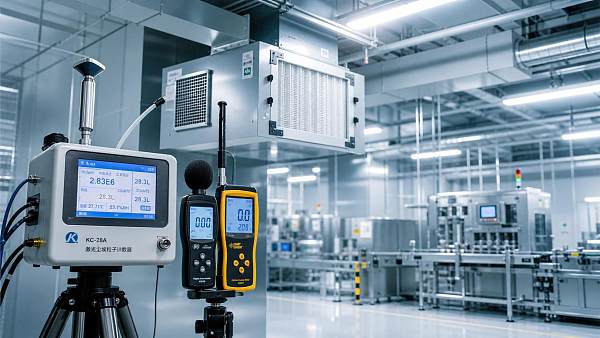
- Is continuous monitoring aligned with permit reporting needs?
- Can the purification unit maintain performance during high humidity periods?
In these settings, industrial gas purification reduces risk by smoothing concentration swings, improving destruction efficiency, and creating auditable operating data for inspections.
Scenario 2: Toxic or corrosive exhaust where worker safety and permits overlap
Acid mists, alkaline fumes, fluorides, sulfur compounds, and mixed process gases create a dual burden. They threaten both health limits and emissions compliance.
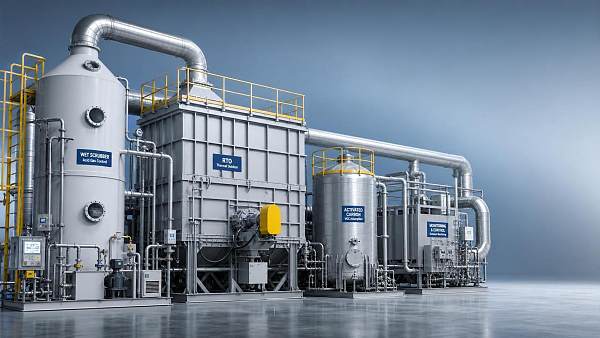
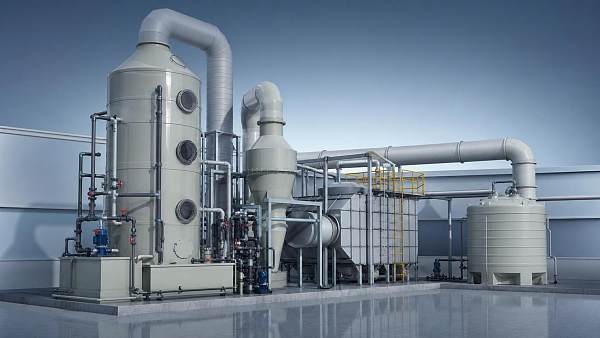
Electronics wet processing, metal finishing, pickling lines, and specialty chemical operations often need multi-stage industrial gas purification rather than a single control device.
What matters most in corrosive exhaust control
Capture quality comes first. Even an efficient scrubber underperforms when hood design, duct velocity, or airflow balance lets contaminated gas escape before treatment.
Material compatibility matters next. Poorly selected internals, pumps, or duct materials can degrade quickly, creating hidden leaks and recordable nonconformities.
In these cases, industrial gas purification works best when integrated with ventilation design, corrosion-resistant components, and maintenance intervals tied to chemistry, not guesswork.
Scenario 3: Fine dust and mixed emissions where one hazard hides another
Mining support lines, powders handling, welding stations, and metallurgy workshops often focus first on visible dust, while secondary gases receive less attention.
That can be a costly mistake. Particulate capture without gas-phase control may still leave exposure, odor, corrosion, or combustion concerns unresolved.
How to judge mixed-emission environments
- Visible dust does not rule out invisible toxic gases.
- Hot exhaust can change filtration behavior and condensation risk.
- Spark risk may require explosion-proof fans and isolation measures.
- Collected particulate can alter downstream scrubber efficiency.
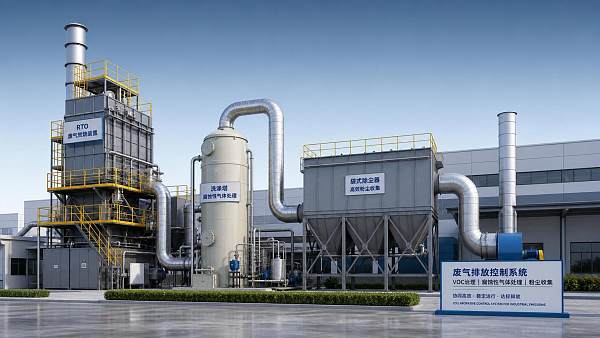
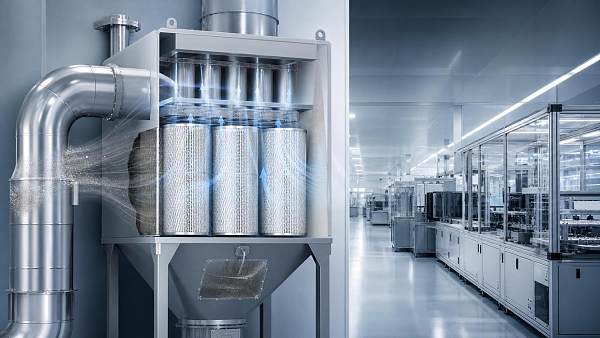
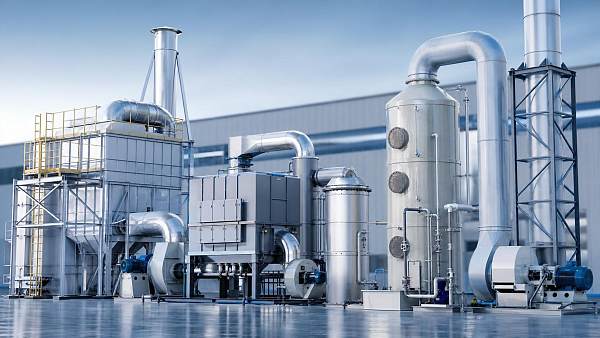
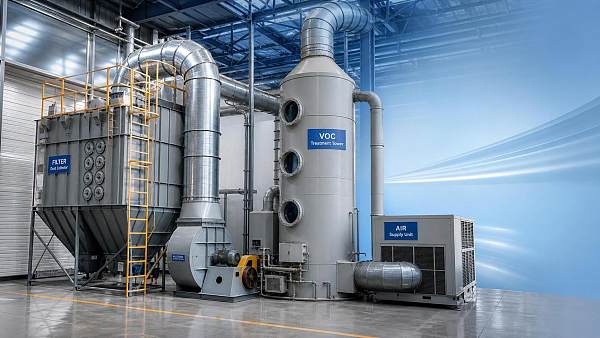
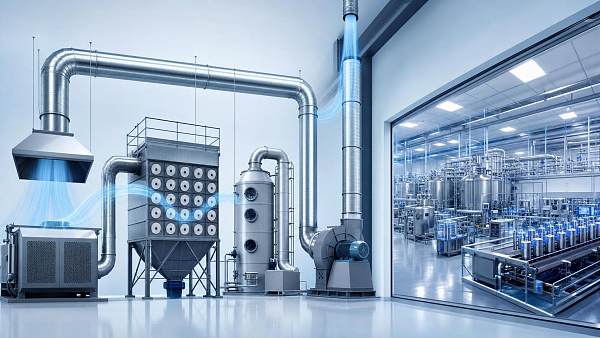
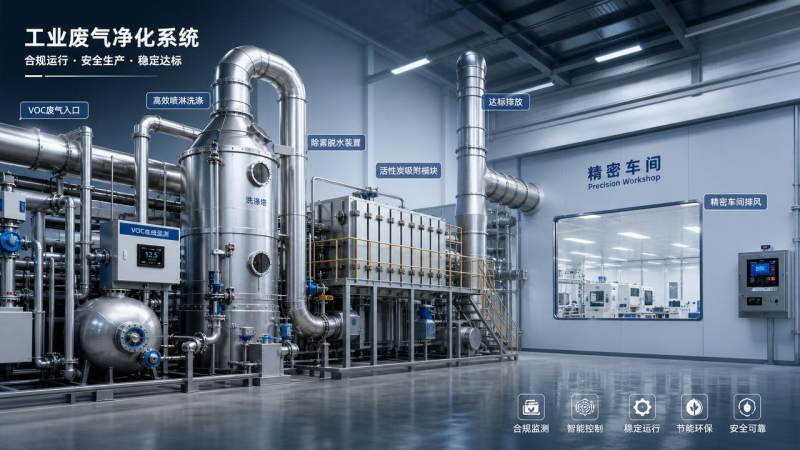
Here, industrial gas purification should be treated as a sequence. Dust collectors, cyclone stages, scrubbers, and final polishing must be matched to process temperature and gas chemistry.
Scenario 4: High-tech manufacturing where purity and compliance are inseparable
In semiconductor fabrication, lithium battery production, and advanced materials lines, emissions control is closely linked to yield protection and environmental stability.
A facility may meet stack limits yet still suffer from process contamination, moisture intrusion, or micro-particle migration that disrupts output quality.
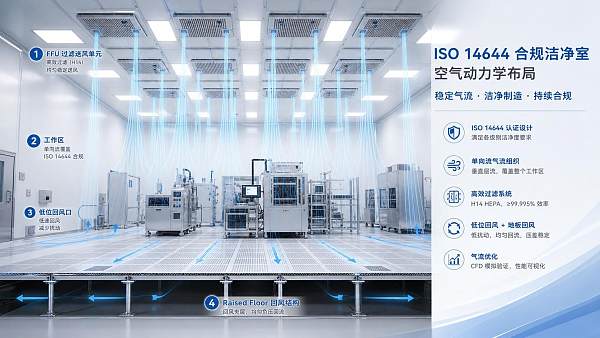
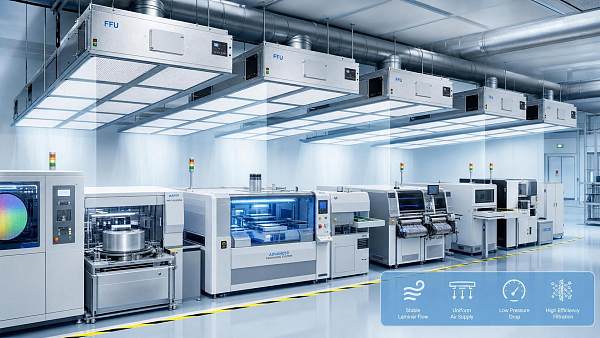
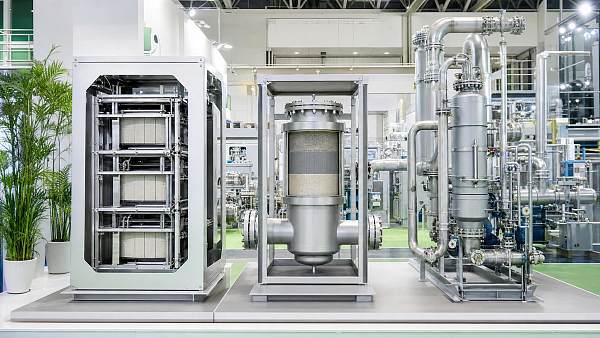
This is why industrial gas purification often intersects with FFU systems, precision CRAC units, and tightly controlled workshop airflow.
The hidden compliance advantage in precision environments
When gas treatment, humidity control, and clean airflow are synchronized, the site gains more stable monitoring data, fewer deviations, and stronger evidence during audits.
That integrated approach reflects the CECS view of invisible moats: microscopic filtration and thermodynamic control together strengthen legal, operational, and quality resilience.
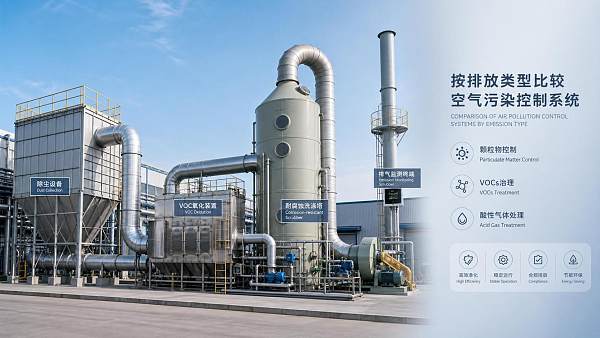
How different scenarios change industrial gas purification needs
Practical adaptation advice before choosing a system
A good industrial gas purification decision starts with a site-specific risk map, not a generic equipment list. Five actions usually improve fit and reduce future corrections.
- Profile emissions by time, chemistry, temperature, and moisture.
- Check whether capture design or room airflow weakens treatment performance.
- Align monitoring points with permit language and reporting cycles.
- Review maintenance access, media change intervals, and corrosion exposure.
- Estimate energy penalties and recovery opportunities early.
This last point is often ignored. Industrial gas purification should not be separated from ventilation efficiency or heat recovery when long-term operating cost matters.
In commercial or mixed-use facilities with process exhaust, pairing purification with energy recovery ventilation can improve both compliance economics and carbon performance.
Common misjudgments that increase compliance exposure
Several errors appear repeatedly across sectors, even where environmental investment is already significant.
- Sizing for average emissions instead of peak conditions.
- Assuming visible cleanliness means gas risks are controlled.
- Treating scrubbers as stand-alone devices, independent from airflow design.
- Ignoring humidity and temperature effects on removal efficiency.
- Overlooking data logging quality before an inspection or complaint event.
These gaps weaken the value of industrial gas purification and can turn a technically sound system into a compliance liability.
A stronger next step: connect purification, control, and evidence
The most effective industrial gas purification strategy combines equipment performance with operating discipline, airflow engineering, and measurable proof of control.
That is especially relevant in industries where micro-dust isolation, zero-emission gas treatment, and extreme environmental control affect both legal compliance and production continuity.
CECS highlights this broader path: use intelligence-led assessment to connect purification technology, cleanroom logic, workshop ventilation, and energy recovery into one dependable system.
If compliance risk is rising, start by identifying the scenario, mapping the exposure, and verifying whether current industrial gas purification matches real operating conditions.
The fastest gains usually come from better fit, not bigger equipment. In regulated environments, fit is what cuts violations, protects uptime, and builds lasting credibility.
Recommended News
 Aug 28, 2026How Factories Can Select Air Quality Controls for Dust, Fumes, and VOCsIndustrial air quality control for factories: learn how to select effective solutions for dust, fumes, and VOCs while improving safety, compliance, energy efficiency, and uptime.
 Aug 26, 2026How to Evaluate Industrial Air Quality Control Systems for Dust, Fumes, and VOCsIndustrial air quality control systems: learn how to evaluate dust, fumes, and VOC solutions by capture efficiency, compliance, maintenance, and lifecycle cost.
 Aug 20, 2026How to Select Airflow Control Dampers for Pressure Balance and Energy EfficiencyAirflow control dampers selection starts with pressure balance, leakage, and control authority—not duct size alone. Learn how to improve stability and energy efficiency.
 Aug 10, 2026How to Evaluate Automated Industrial Exhaust Treatment Systems for VOC ControlAutomated industrial exhaust treatment systems for VOC control: learn how to compare compliance, automation, energy use, safety, and lifecycle cost before selecting the right solution.
 Aug 01, 2026Cleanroom Aerodynamic Design Layout: How to Optimize Airflow for ComplianceCleanroom aerodynamic design layout tips for optimizing airflow, FFU placement, return paths, and pressure cascade to support ISO 14644 compliance and improve cleanroom performance.
 Jul 25, 2026How to Verify CE Certified Industrial Emission Control Systems for EU Compliance?Industrial emission control CE certified systems require more than a CE mark. Learn how to verify EU directives, test evidence, ATEX scope, and risk files before you buy.
 Jul 18, 2026How to Choose an Aerodynamic Filtration System: Key Parameters and Application FitAerodynamic filtration system selection starts with pressure drop, airflow uniformity, particle capture, and application fit. Learn how to compare options for cleanrooms, industry, and HVAC with confidence.
 Jul 17, 2026How to Choose Industrial Clean Air Systems: Key Airflow, Filtration, and Compliance FactorsIndustrial clean air systems buying guide: compare airflow, filtration, energy efficiency, and compliance factors to choose safer, cost-effective solutions for your facility.
 Jul 16, 2026How to Choose an Industrial Emission Control Supplier for RTO, Scrubber, and Dust Collection ProjectsIndustrial emission control supplier selection for RTO, scrubber, and dust collection projects: compare compliance, lifecycle cost, service, and technical fit.
 Jul 15, 2026How Aerodynamic Filtration Improves High-Efficiency Dust Capture in Industrial Air SystemsAerodynamic filtration high efficiency boosts dust capture by optimizing airflow, pressure stability, and particle control in industrial air systems. Learn how to cut energy waste and improve compliance.
 Jul 14, 2026Industrial Emission Control Systems in Europe: How to Compare RTO, RCO, and Wet ScrubbersIndustrial emission control systems Europe: compare RTO, RCO, and wet scrubbers by VOCs, acid gases, energy use, and compliance fit to choose the right solution.
 Jul 12, 2026Industrial Air Quality Testing: What to Measure and How to Read the ResultsIndustrial air quality testing made practical: learn what to measure, how to interpret results, and how to turn data into safer operations, better product quality, and smarter control decisions.
 Jul 11, 2026Industrial Clean Air Technology Price: What Drives System Cost in Manufacturing Projects?Industrial clean air technology price depends on more than size. Discover the real cost drivers in manufacturing projects, from filtration and dew point control to compliance, energy use, and supplier scope.
 Jul 08, 2026Aerodynamic Filtration in Electronics: Solving Pressure Drop and Yield RisksAerodynamic filtration electronics directly affects pressure drop, contamination control, and yield. Learn how to reduce airflow instability, cut defects, and improve cleanroom performance.
 Jul 03, 2026How to Choose Industrial Clean Air Equipment for Dust, Fumes, and VOC ControlIndustrial clean air equipment selection made practical: learn how to match dust, fumes, and VOC control systems to compliance, process needs, energy efficiency, and long-term cost.
 Jun 30, 2026Zero Emission Air Treatment for Battery Plants: Cost Drivers, Compliance, and ROIZero emission air treatment for battery plants: uncover key cost drivers, compliance risks, and ROI factors to cut lifecycle costs, protect uptime, and support scalable plant growth.
 Jun 29, 2026How to Compare Air Pollution Control Systems in North America by Emission TypeAir pollution control systems North America compared by emission type: learn how to evaluate dust, VOC, and acid gas solutions for compliance, cost, and process fit.
 Jun 28, 2026How to Compare Industrial Gas Treatment Systems in the USA by Emission Type and Compliance NeedsIndustrial gas treatment systems USA buyers can compare by emission type, compliance risk, and lifecycle cost. Learn how to choose the right solution with confidence.
 Jun 27, 2026How Industrial Emission Control Systems Help Plants Meet Air Compliance RequirementsIndustrial emission control helps plants meet air compliance requirements while improving process stability, worker safety, and audit readiness. Learn what to evaluate before upgrading.
 Jun 26, 2026Gas Scrubbing Systems Explained: How to Match Scrubber Type to Exhaust ContaminantsGas scrubbing systems explained: learn how to match scrubber types to acid gases, VOCs, particulates, and corrosive exhaust for better compliance, reliability, and lifecycle performance.
 Jun 24, 2026Tonxing Tech Showcases Compliance-Ready Green Tech in VietnamTonxing Tech showcases compliance-ready green tech in Vietnam, featuring SCR catalysts, CO catalysts, and TXio carbon capture for importers seeking efficient, low-carbon solutions.
 Jun 23, 2026Industrial Air Handling vs Dedicated Exhaust: Which Layout Fits Your Facility Better?Industrial air handling vs dedicated exhaust: discover which layout improves contamination control, compliance, energy efficiency, and long-term facility performance.
 Jun 22, 2026Industrial Air Purification for Dust, Fumes, and VOCs: How to Match the Right SystemIndustrial air purification starts with the process. Learn how to match dust, fume, and VOC control systems for safer compliance, lower energy costs, and more reliable plant performance.
 Jun 22, 2026ISO 22067-2:2026 Sets New Green Data ThresholdsISO 22067-2:2026 sets new green data thresholds for post-press operations, helping suppliers prepare for ESG reviews, EPD alignment, and stricter green procurement demands.