Search News
Industry Portal
Hot Articles
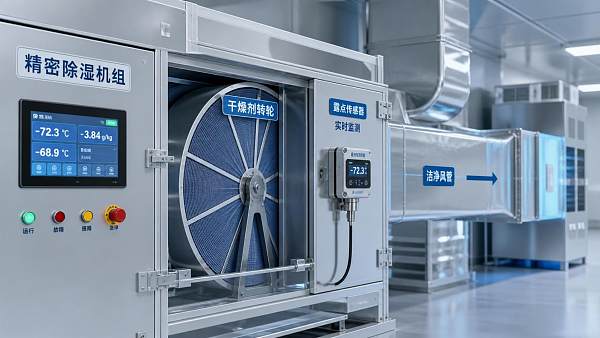
- How to Choose Extreme Humidity Control Automation for CleanroomsExtreme humidity control automation for cleanrooms: learn how to select reliable, energy-efficient controls for dew point stability, monitoring, integration, and failure recovery.
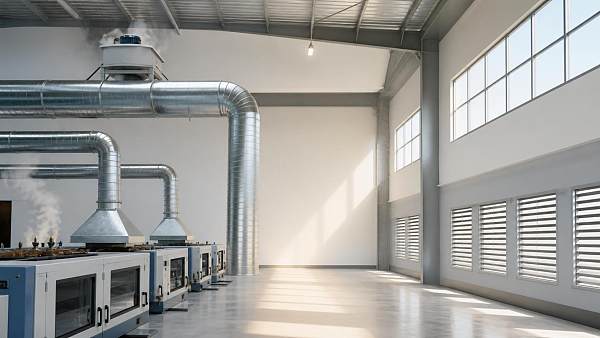
- How to Size a Workshop Roof Exhaust System for Heat, Fumes, and Dust ControlRoof exhaust workshop systems: learn how to size airflow for heat, fumes, and dust, optimize makeup air, control costs, and improve workplace safety.
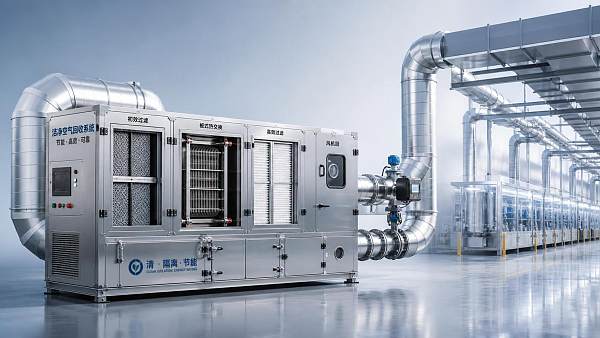
- How to Evaluate a Clean Air Recovery System Supplier for Industrial ProjectsChoose a clean air recovery system supplier with confidence. Compare technology, compliance, lifecycle cost, contamination control, and service for reliable industrial performance.
Popular Tags
Sodium Carbonate Surge Disrupts Wet Scrubbers Supply Chain
author
Time
Click Count
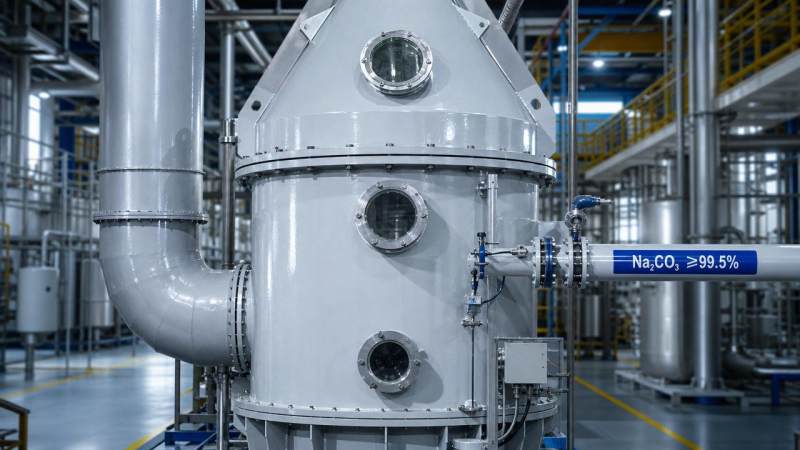
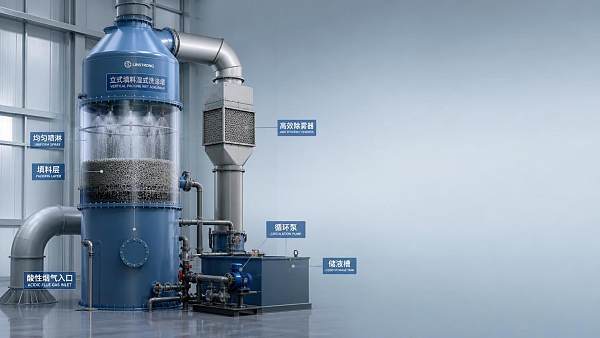
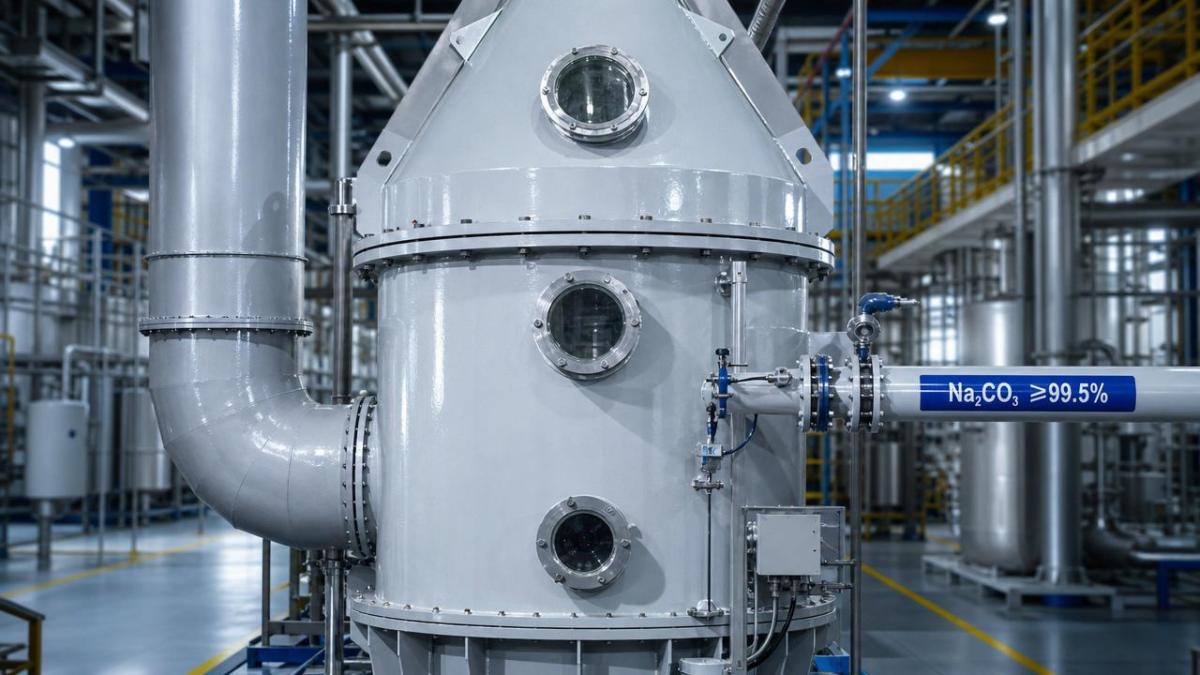
On May 28, 2026, a sharp price increase and extended lead times for industrial-grade anhydrous sodium carbonate (≥99.5% purity)—a critical consumable in wet scrubber alkaline recirculation systems—emerged following environmental production curbs in Chile and Peru, compounded by temporary rescheduling of the Western Corridor of the China-Europe Railway Express.
Confirmed Market Developments
Between May 28 and June 1, 2026, the FOB price at Chinese ports for industrial-grade anhydrous sodium carbonate rose by 23.1% week-on-week, reaching USD 485 per metric ton. Concurrently, standard delivery lead times from major suppliers widened to 12–14 weeks.
Impact Across Supply Chain Roles
Export-oriented trading firms
These firms face immediate margin compression and quotation volatility when tendering wet scrubber systems or spare parts packages containing sodium carbonate-based reagents. Contract pricing clauses referencing fixed material costs may now require renegotiation or indexation adjustments.
Raw material procurement departments
Procurement teams must reassess safety stock levels and buffer planning, as the 14-week horizon exceeds typical reorder cycles. Dual-sourcing strategies—especially for non-Chilean/Peruvian carbonate grades—require urgent technical validation against system performance specifications.
Wet scrubber equipment manufacturers
Manufacturers encounter cascading effects on production scheduling, cost-of-goods-sold forecasting, and warranty-related service kit provisioning. Extended lead times may delay final assembly or commissioning handovers, particularly for export orders with tight delivery windows.
Logistics and supply chain service providers
Freight forwarders and customs brokers supporting wet scrubber exports must anticipate increased documentation scrutiny for sodium carbonate consignments—including origin declarations, environmental compliance attestations, and updated transport condition certifications—due to heightened regulatory attention on high-risk chemical inputs.
Key Operational Priorities for Enterprises
Review and update procurement timelines
Reassess all active and upcoming purchase orders for sodium carbonate against the new 12–14 week lead time; adjust bill-of-materials planning and production sequencing accordingly, especially for after-sales service inventory and OEM replacement kits.
Validate alternative supplier qualifications
Where feasible, initiate technical and regulatory qualification of secondary sodium carbonate suppliers—including verification of purity consistency (≥99.5%), traceability documentation, and compatibility with existing scrubber alkaline loop chemistry profiles.
Assess impact on export compliance documentation
Evaluate whether revised sodium carbonate sourcing affects REACH, RoHS, or local environmental reporting obligations tied to wet scrubber system exports—particularly where reagent composition influences hazardous substance declarations or end-of-life handling statements.
Strengthen technical bid alignment for tenders
For ongoing or upcoming international tenders, explicitly address sodium carbonate availability constraints in technical proposals—clarifying potential delivery implications, contingency plans for reagent substitution, and associated performance validation protocols.
Industry Perspective: Beyond Short-Term Volatility
Analysis shows this episode reflects a structural tightening in the upstream supply of key alkaline reagents—not merely a transient logistics hiccup. From an industry perspective, it underscores how environmental regulation in primary raw material regions increasingly propagates into downstream emission control equipment economics. What deserves closer attention is the growing interdependence between regional environmental policy enforcement (e.g., Chilean mining effluent standards) and global clean air technology deployment timelines. It is more appropriate to understand this as a signal that supply resilience for wet scrubber systems now hinges as much on upstream chemical governance as on mechanical design maturity.
Conclusion: A Catalyst for Strategic Sourcing Maturity
This event highlights that sodium carbonate—though a commodity chemical—is operationally irreplaceable within current wet scrubber architectures. Its sudden scarcity reinforces that even mature, standardized environmental technologies remain vulnerable to single-point material dependencies. The broader implication is not disruption per se, but rather accelerated adoption of integrated sourcing strategies: combining long-term supplier partnerships, real-time material intelligence, and modular system designs enabling reagent flexibility without compromising compliance or efficiency.
Source Attribution
This article was generated exclusively from the user-provided information: title, event date (May 28, 2026), and factual summary. Specific official source links were not provided in the input and should be verified continuously. Ongoing monitoring is recommended for updates on Chilean and Peruvian environmental enforcement measures, China-Europe Railway Express operational advisories, and revisions to international emission control equipment certification guidelines related to consumable inputs.
Recommended News
 Sep 01, 2026How to Choose Extreme Humidity Control Automation for CleanroomsExtreme humidity control automation for cleanrooms: learn how to select reliable, energy-efficient controls for dew point stability, monitoring, integration, and failure recovery.
 Aug 31, 2026How to Size a Workshop Roof Exhaust System for Heat, Fumes, and Dust ControlRoof exhaust workshop systems: learn how to size airflow for heat, fumes, and dust, optimize makeup air, control costs, and improve workplace safety.
 Aug 30, 2026How to Evaluate a Clean Air Recovery System Supplier for Industrial ProjectsChoose a clean air recovery system supplier with confidence. Compare technology, compliance, lifecycle cost, contamination control, and service for reliable industrial performance.
 Aug 29, 2026ISO 14644 Certification Process: From Cleanroom Testing to Compliance ApprovalISO 14644 certification process explained: prepare your cleanroom, complete particle testing, address failures, and achieve compliance approval with confidence.
 Aug 28, 2026How Factories Can Select Air Quality Controls for Dust, Fumes, and VOCsIndustrial air quality control for factories: learn how to select effective solutions for dust, fumes, and VOCs while improving safety, compliance, energy efficiency, and uptime.
 Aug 27, 2026How to Size Industrial Gas Scrubbing Units for Acid Fumes and Variable AirflowsIndustrial gas scrubbing units: learn how to size acid-fume scrubbers for variable airflows, peak loads, chemical demand, pressure drop, and reliable compliance.
 Aug 26, 2026How to Evaluate Industrial Air Quality Control Systems for Dust, Fumes, and VOCsIndustrial air quality control systems: learn how to evaluate dust, fumes, and VOC solutions by capture efficiency, compliance, maintenance, and lifecycle cost.
 Aug 25, 2026How to Select Cleanroom Particle Control Equipment for ISO Class and Process RiskCleanroom particle control equipment selection starts with process risk, ISO class, and airflow design. Learn how to compare FFUs, filters, and monitoring for reliable performance.
 Aug 24, 2026How to Choose a Ducted Heat Recovery Ventilation System for Commercial BuildingsDucted heat recovery ventilation for commercial buildings: learn how to compare efficiency, static pressure, controls, IAQ, and lifecycle cost to choose a smarter, high-performance system.
 Aug 23, 2026How Laminar Airflow Supports Compliance and Contamination Control in Medical Device ManufacturingLaminar airflow for medical devices helps reduce contamination risk, support cleanroom compliance, and improve audit readiness—see how it protects product quality and manufacturing control.
 Aug 22, 2026How to Verify CE Compliance When Comparing VOC Treatment Systems for EU ProjectsVOC treatment systems CE certified: learn how to verify real EU compliance, check directives, ATEX, and documentation, and avoid costly procurement and site integration risks.
 Aug 21, 2026How to Achieve Stable RH Precision Humidity Control in Cleanroom Production?Stable RH precision humidity control starts with process-based design. Learn how airflow, sensors, dehumidification, and recovery logic keep cleanroom production consistent and reliable.
 Aug 20, 2026How to Select Airflow Control Dampers for Pressure Balance and Energy EfficiencyAirflow control dampers selection starts with pressure balance, leakage, and control authority—not duct size alone. Learn how to improve stability and energy efficiency.
 Aug 19, 2026What Drives Cleanroom Compliance Cost in Pharma and Semiconductor Projects?Cleanroom compliance cost in pharma and semiconductor projects depends on ISO class, airflow, humidity control, validation, and energy use. Learn what drives cost and how to avoid costly overdesign.
 Aug 18, 2026How to Evaluate a High-Tech HVAC Manufacturer for Cleanroom and Precision FacilitiesHigh-tech HVAC manufacturer evaluation guide for cleanrooms and precision facilities. Learn how to assess control stability, compliance, serviceability, and long-term operational risk.
 Aug 17, 2026How to Evaluate a Commercial ERV Systems Supplier for Large Building ProjectsCommercial ERV systems supplier selection for large projects goes beyond price. Learn how to compare performance, compliance, controls, delivery, and lifecycle cost to reduce risk.
 Aug 16, 2026Commercial Ventilation Pricing: What Drives Cost in Industrial and Office Projects?Commercial ventilation pricing varies by airflow, compliance, and installation needs. Learn what drives costs in industrial and office projects—and how to compare quotes smarter.
 Aug 16, 2026EU Issues New RTO/RCO Compliance Guide, Adds Carbon and Efficiency CertificationEU releases a new RTO/RCO compliance guide with carbon and efficiency certification requirements, signaling stricter market access rules and urgent action for exporters.
 Aug 15, 2026What Makes an HVAC System Energy-Efficient for European Buildings?Energy efficient HVAC Europe solutions help European buildings cut costs, boost comfort, and meet carbon targets. Discover the design factors that truly improve performance.
 Aug 15, 2026China Issues New Export Compliance Rules for RTO/RCO SystemsChina's new export compliance rules for RTO/RCO systems are reshaping market access. Learn what the 2026 regulations mean for exporters, buyers, and green procurement.
 Aug 14, 2026How to Evaluate a Precision Cooling Supplier for High-Density Data CentersPrecision cooling supplier guide for high-density data centers: learn how to evaluate reliability, scalability, compliance, and lifecycle value before you buy.
 Aug 14, 2026China’s Temporary Helium Export Ban Slows RTO/RCO Core Cooling DeliveriesChina’s temporary helium export ban may delay RTO/RCO core cooling deliveries, especially for final testing and certification. Learn how it impacts projects and what companies should check next.
 Aug 13, 2026How to Select VAV Airflow Control Systems for Labs and Cleanroom HVAC ProjectsVAV airflow control systems are critical for labs and cleanroom HVAC projects. Discover how to choose the right system for stability, compliance, and energy savings.
 Aug 12, 2026How to Select Dew Point Control Systems for Battery Plants?Dew point control systems for battery plants: learn how to compare stability, energy use, controls, and maintenance to choose a safer, more efficient dry room solution.