Search News
Industry Portal
Hot Articles
- How to Choose Extreme Humidity Control Automation for CleanroomsExtreme humidity control automation for cleanrooms: learn how to select reliable, energy-efficient controls for dew point stability, monitoring, integration, and failure recovery.
- How to Size a Workshop Roof Exhaust System for Heat, Fumes, and Dust ControlRoof exhaust workshop systems: learn how to size airflow for heat, fumes, and dust, optimize makeup air, control costs, and improve workplace safety.
- How to Evaluate a Clean Air Recovery System Supplier for Industrial ProjectsChoose a clean air recovery system supplier with confidence. Compare technology, compliance, lifecycle cost, contamination control, and service for reliable industrial performance.
Popular Tags
2026 AHE Expo to Spotlight RTO/RCO Systems for Industrial Decarbonization
author
Time
Click Count
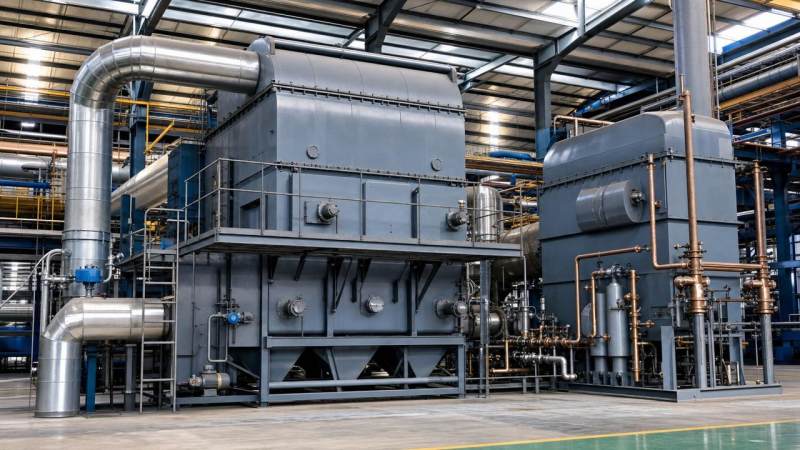
2026 Asia Heating & HVAC, Hot Water, Drying and Heat Pump Industry Expo (AHE) will take place from September 16–18, 2026 at the Canton Fair Complex in Guangzhou. The event introduces a dedicated ‘Industrial Decarbonization & Waste Heat Recovery’ special exhibition zone, with RTO (Regenerative Thermal Oxidizer) and RCO (Regenerative Catalytic Oxidizer) systems positioned as core exhibits—particularly within the green metallurgy segment. This development signals growing institutional focus on thermal oxidation technologies for energy-intensive industrial processes, especially among steel, coking, and metal processing sectors.
Event Overview
The 2026 AHE Expo is scheduled for September 16–18, 2026 at the Canton Fair Complex, Guangzhou. Organizers have confirmed the establishment of a special exhibition zone titled ‘Industrial Decarbonization & Waste Heat Recovery’. RTO and RCO system manufacturers are explicitly invited as key participants. Additionally, the China Iron and Steel Association will jointly release the Technical Guidelines for RTO-Coupled Dry Quenching Coke Oven Waste Heat Recovery (Trial Edition 2026). The guidelines and related exhibits will be promoted to procurement delegations from Southeast Asia and the Middle East.
Industries Affected by This Development
Steel and Coking Production Enterprises
These enterprises may face increasing technical and compliance expectations around waste heat utilization and VOCs abatement. The publication of the 2026 trial guidelines—co-issued by a national industry association—suggests emerging normative direction for retrofitting dry quenching coke ovens with RTO-integrated recovery systems. Impact may manifest in future equipment upgrade cycles and operational cost structures.
Environmental Equipment Manufacturers (RTO/RCO Focused)
Manufacturers serving heavy industry markets now have a defined platform to demonstrate integration capability—not just standalone units, but systems co-engineered with metallurgical process lines. Participation in the special zone may influence buyer perception of technical readiness for complex, high-temperature, high-dust industrial environments.
International Procurement Agents and Trading Companies
Agents sourcing for Southeast Asian and Middle Eastern industrial clients may see increased inquiry volume around RTO/RCO systems with verified application in coke oven settings. The targeted promotion implies potential shifts in regional specification preferences—especially where local emissions or energy efficiency policies are evolving.
Engineering, Procurement, and Construction (EPC) Firms
EPC providers active in industrial energy infrastructure may need to update reference case libraries and technical proposals to reflect coupling approaches outlined in the new guidelines. Early familiarity with the 2026 trial edition could support bid responsiveness in upcoming brownfield retrofit projects.
What Relevant Enterprises or Practitioners Should Focus On
Monitor official updates to the 2026 trial guidelines
The document is labeled ‘Trial Edition 2026’. Analysis shows this indicates an initial, non-mandatory reference framework—not yet a formal standard. Stakeholders should track whether subsequent revisions incorporate feedback from pilot applications or regulatory consultations.
Assess applicability to existing coke oven configurations
Current more relevant than broad market scanning is technical due diligence: Does the guideline’s RTO coupling model align with prevailing dry quenching coke oven designs (e.g., CDQ vs. SDQ), flue gas temperature ranges, and dust load profiles? Practitioners should cross-reference with their own asset data before drawing implementation conclusions.
Prepare for targeted engagement with Southeast Asian and Middle Eastern buyers
The expo’s regional outreach is explicitly stated. Export-oriented firms should review technical documentation, multilingual support capacity, and after-sales service frameworks—particularly for commissioning and operator training in high-heat industrial settings.
Distinguish between exhibition visibility and commercial readiness
Observably, inclusion in the special zone reflects sectoral interest—not proven scalability or cost-effectiveness across diverse operating conditions. Companies evaluating adoption should treat the expo as an intelligence-gathering opportunity, not a de facto validation of system performance.
Editorial Perspective / Industry Observation
This initiative is better understood as a policy-adjacent signal rather than an immediate regulatory trigger. From an industry perspective, the joint involvement of the China Iron and Steel Association and the AHE organizing committee suggests coordinated effort to bridge technology demonstration and industrial practice—particularly in a sector where decarbonization pathways remain technically contested. The timing (2026) and geographic targeting (Southeast Asia, Middle East) imply strategic alignment with export-led green infrastructure initiatives. However, analysis shows no indication that the guidelines carry enforcement weight at launch; their value lies in shaping technical dialogue and procurement criteria over the medium term.
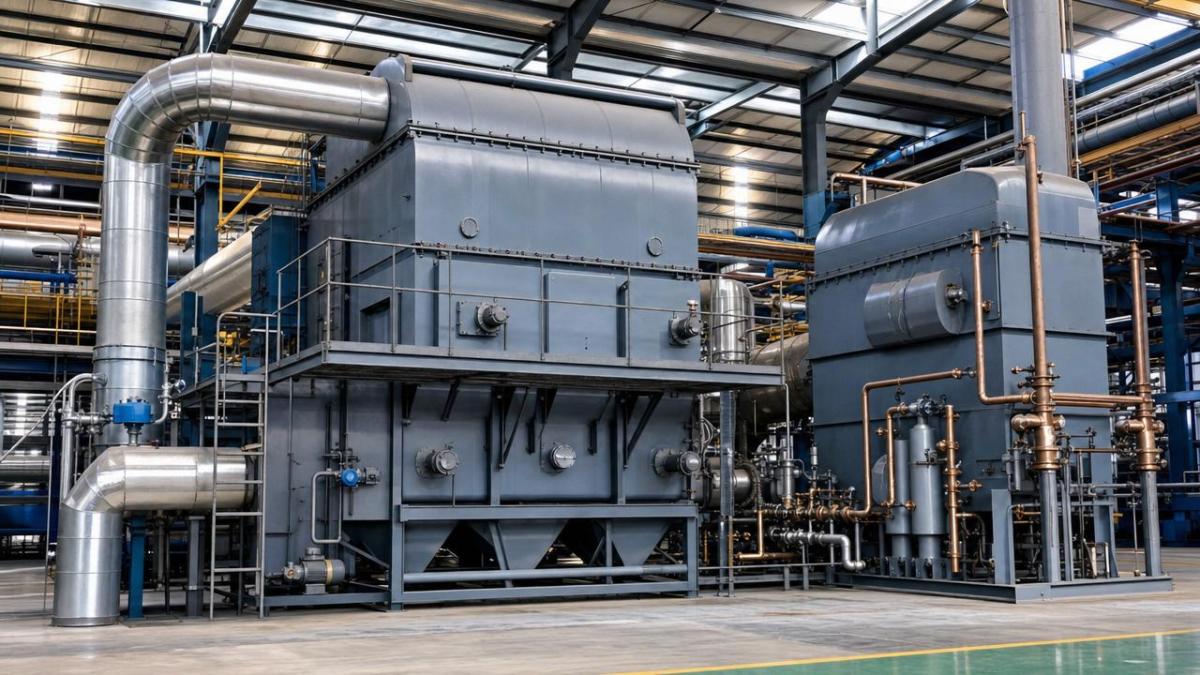
Conclusion: The 2026 AHE Expo’s emphasis on RTO/RCO systems within industrial decarbonization does not represent an imminent compliance requirement, nor does it guarantee near-term market expansion. Rather, it reflects a maturing phase in the technical discourse around thermal oxidation integration in metallurgy—where standards development, trade promotion, and engineering practice begin converging. Stakeholders are advised to treat the event and its associated guidelines as forward-looking reference points, not operational mandates.
Source Attribution:
• Official announcement of the 2026 AHE Expo (date unspecified, publicly confirmed scope and venue)
• Confirmed participation of the China Iron and Steel Association in co-releasing the Technical Guidelines for RTO-Coupled Dry Quenching Coke Oven Waste Heat Recovery (Trial Edition 2026)
• Stated regional promotion focus: Southeast Asia and the Middle East
Note: The enforceability, revision timeline, and field validation status of the 2026 trial guidelines remain unconfirmed and require ongoing observation.
Recommended News
 Sep 01, 2026How to Choose Extreme Humidity Control Automation for CleanroomsExtreme humidity control automation for cleanrooms: learn how to select reliable, energy-efficient controls for dew point stability, monitoring, integration, and failure recovery.
 Aug 31, 2026How to Size a Workshop Roof Exhaust System for Heat, Fumes, and Dust ControlRoof exhaust workshop systems: learn how to size airflow for heat, fumes, and dust, optimize makeup air, control costs, and improve workplace safety.
 Aug 30, 2026How to Evaluate a Clean Air Recovery System Supplier for Industrial ProjectsChoose a clean air recovery system supplier with confidence. Compare technology, compliance, lifecycle cost, contamination control, and service for reliable industrial performance.
 Aug 29, 2026ISO 14644 Certification Process: From Cleanroom Testing to Compliance ApprovalISO 14644 certification process explained: prepare your cleanroom, complete particle testing, address failures, and achieve compliance approval with confidence.
 Aug 28, 2026How Factories Can Select Air Quality Controls for Dust, Fumes, and VOCsIndustrial air quality control for factories: learn how to select effective solutions for dust, fumes, and VOCs while improving safety, compliance, energy efficiency, and uptime.
 Aug 27, 2026How to Size Industrial Gas Scrubbing Units for Acid Fumes and Variable AirflowsIndustrial gas scrubbing units: learn how to size acid-fume scrubbers for variable airflows, peak loads, chemical demand, pressure drop, and reliable compliance.
 Aug 26, 2026How to Evaluate Industrial Air Quality Control Systems for Dust, Fumes, and VOCsIndustrial air quality control systems: learn how to evaluate dust, fumes, and VOC solutions by capture efficiency, compliance, maintenance, and lifecycle cost.
 Aug 25, 2026How to Select Cleanroom Particle Control Equipment for ISO Class and Process RiskCleanroom particle control equipment selection starts with process risk, ISO class, and airflow design. Learn how to compare FFUs, filters, and monitoring for reliable performance.
 Aug 24, 2026How to Choose a Ducted Heat Recovery Ventilation System for Commercial BuildingsDucted heat recovery ventilation for commercial buildings: learn how to compare efficiency, static pressure, controls, IAQ, and lifecycle cost to choose a smarter, high-performance system.
 Aug 23, 2026How Laminar Airflow Supports Compliance and Contamination Control in Medical Device ManufacturingLaminar airflow for medical devices helps reduce contamination risk, support cleanroom compliance, and improve audit readiness—see how it protects product quality and manufacturing control.
 Aug 22, 2026How to Verify CE Compliance When Comparing VOC Treatment Systems for EU ProjectsVOC treatment systems CE certified: learn how to verify real EU compliance, check directives, ATEX, and documentation, and avoid costly procurement and site integration risks.
 Aug 21, 2026How to Achieve Stable RH Precision Humidity Control in Cleanroom Production?Stable RH precision humidity control starts with process-based design. Learn how airflow, sensors, dehumidification, and recovery logic keep cleanroom production consistent and reliable.
 Aug 20, 2026How to Select Airflow Control Dampers for Pressure Balance and Energy EfficiencyAirflow control dampers selection starts with pressure balance, leakage, and control authority—not duct size alone. Learn how to improve stability and energy efficiency.
 Aug 19, 2026What Drives Cleanroom Compliance Cost in Pharma and Semiconductor Projects?Cleanroom compliance cost in pharma and semiconductor projects depends on ISO class, airflow, humidity control, validation, and energy use. Learn what drives cost and how to avoid costly overdesign.
 Aug 18, 2026How to Evaluate a High-Tech HVAC Manufacturer for Cleanroom and Precision FacilitiesHigh-tech HVAC manufacturer evaluation guide for cleanrooms and precision facilities. Learn how to assess control stability, compliance, serviceability, and long-term operational risk.
 Aug 17, 2026How to Evaluate a Commercial ERV Systems Supplier for Large Building ProjectsCommercial ERV systems supplier selection for large projects goes beyond price. Learn how to compare performance, compliance, controls, delivery, and lifecycle cost to reduce risk.
 Aug 16, 2026Commercial Ventilation Pricing: What Drives Cost in Industrial and Office Projects?Commercial ventilation pricing varies by airflow, compliance, and installation needs. Learn what drives costs in industrial and office projects—and how to compare quotes smarter.
 Aug 16, 2026EU Issues New RTO/RCO Compliance Guide, Adds Carbon and Efficiency CertificationEU releases a new RTO/RCO compliance guide with carbon and efficiency certification requirements, signaling stricter market access rules and urgent action for exporters.
 Aug 15, 2026What Makes an HVAC System Energy-Efficient for European Buildings?Energy efficient HVAC Europe solutions help European buildings cut costs, boost comfort, and meet carbon targets. Discover the design factors that truly improve performance.
 Aug 15, 2026China Issues New Export Compliance Rules for RTO/RCO SystemsChina's new export compliance rules for RTO/RCO systems are reshaping market access. Learn what the 2026 regulations mean for exporters, buyers, and green procurement.
 Aug 14, 2026How to Evaluate a Precision Cooling Supplier for High-Density Data CentersPrecision cooling supplier guide for high-density data centers: learn how to evaluate reliability, scalability, compliance, and lifecycle value before you buy.
 Aug 14, 2026China’s Temporary Helium Export Ban Slows RTO/RCO Core Cooling DeliveriesChina’s temporary helium export ban may delay RTO/RCO core cooling deliveries, especially for final testing and certification. Learn how it impacts projects and what companies should check next.
 Aug 13, 2026How to Select VAV Airflow Control Systems for Labs and Cleanroom HVAC ProjectsVAV airflow control systems are critical for labs and cleanroom HVAC projects. Discover how to choose the right system for stability, compliance, and energy savings.
 Aug 12, 2026How to Select Dew Point Control Systems for Battery Plants?Dew point control systems for battery plants: learn how to compare stability, energy use, controls, and maintenance to choose a safer, more efficient dry room solution.