Search News
Industry Portal
Hot Articles
- How Factories Can Select Air Quality Controls for Dust, Fumes, and VOCsIndustrial air quality control for factories: learn how to select effective solutions for dust, fumes, and VOCs while improving safety, compliance, energy efficiency, and uptime.
- How to Size Industrial Gas Scrubbing Units for Acid Fumes and Variable AirflowsIndustrial gas scrubbing units: learn how to size acid-fume scrubbers for variable airflows, peak loads, chemical demand, pressure drop, and reliable compliance.
- How to Evaluate Industrial Air Quality Control Systems for Dust, Fumes, and VOCsIndustrial air quality control systems: learn how to evaluate dust, fumes, and VOC solutions by capture efficiency, compliance, maintenance, and lifecycle cost.
Popular Tags
When high-tech HVAC becomes a smart upgrade
author
Time
Click Count
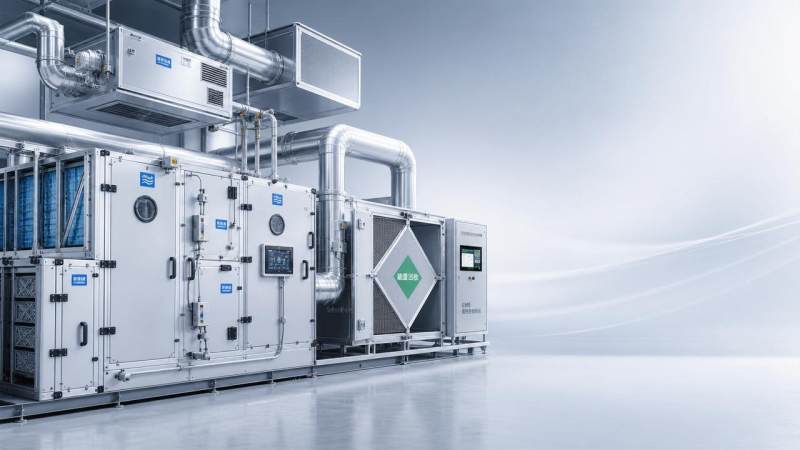
When high-tech HVAC becomes a smart upgrade, it changes more than comfort. It supports process consistency, code alignment, air cleanliness, and long-term energy control in complex projects.
Across advanced industry and green buildings, high-tech HVAC now connects environmental precision with measurable operating outcomes. It helps projects balance uptime, compliance, product quality, and lower lifecycle cost.
For CECS, this shift is especially important. Environmental control is no longer a background utility. It is a strategic layer for high-tech manufacturing, zero-emission treatment, and commercial ventilation efficiency.
What high-tech HVAC means in modern projects
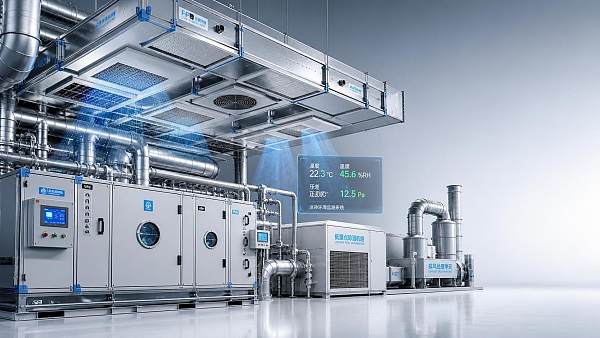
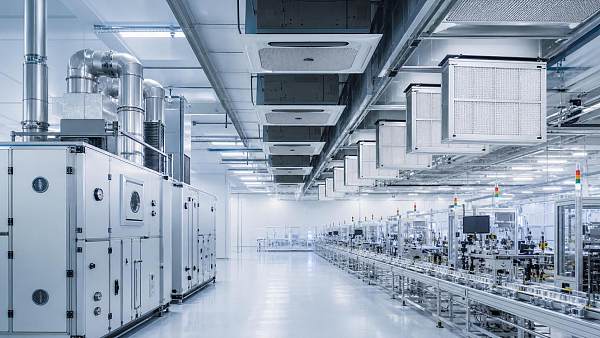
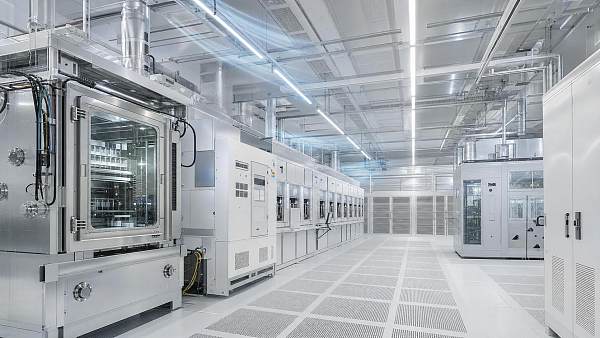
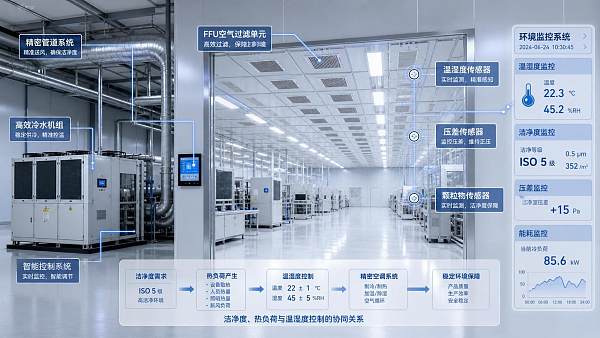
High-tech HVAC refers to advanced heating, ventilation, and air conditioning systems designed for strict environmental targets. These systems manage temperature, humidity, airflow, filtration, pressure, and energy recovery with high accuracy.
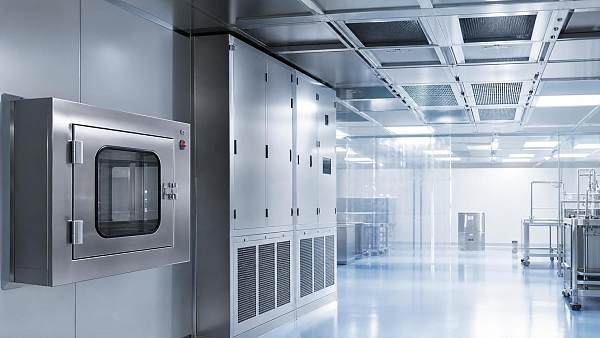
Unlike standard building HVAC, high-tech HVAC often serves sensitive processes. It may protect semiconductor tools, battery coating lines, cleanrooms, medical spaces, laboratories, or efficient office towers.
Its intelligence comes from integrated sensing, dynamic controls, and engineering tuned to critical loads. The goal is stable performance under changing occupancy, weather, production schedules, and contamination risks.
In this context, precision matters. A small humidity drift can damage coating quality. Uneven airflow can raise particle counts. Weak heat recovery can increase utility cost for years.
Why high-tech HVAC is receiving more attention
Several market signals explain the growing focus on high-tech HVAC. Industrial upgrades, tougher environmental rules, and decarbonization targets are pushing environmental control closer to core project strategy.
- Higher process sensitivity in semiconductors, batteries, and precision electronics
- Stricter cleanroom and air emission compliance requirements
- Rising pressure to reduce HVAC energy intensity in commercial buildings
- Greater demand for digital monitoring, alarms, and predictive maintenance
- More investment in low-carbon retrofits and resilient facility design
These trends make high-tech HVAC a decision area with technical and financial weight. It shapes commissioning quality, operating reliability, certification readiness, and total cost over system life.
Key performance signals
Business value created by high-tech HVAC
The value of high-tech HVAC appears when technical precision supports business goals. Reliable environmental control reduces variation, supports compliance, and improves long-term performance visibility.
In manufacturing, high-tech HVAC helps protect fragile processes. Stable airflow, dust isolation, and deep dehumidification support better product consistency and reduce avoidable quality losses.
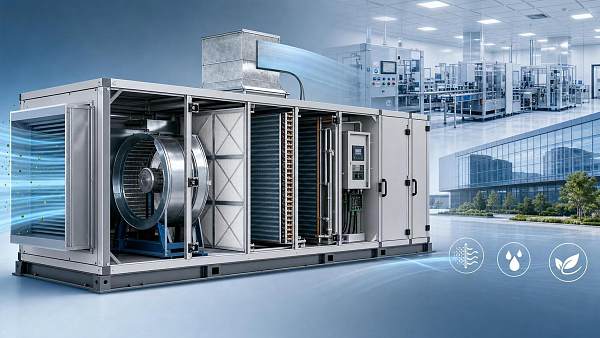
In commercial buildings, high-tech HVAC supports fresh air delivery without wasting energy. Energy recovery ventilators can cut the burden on central systems while improving indoor environmental quality.
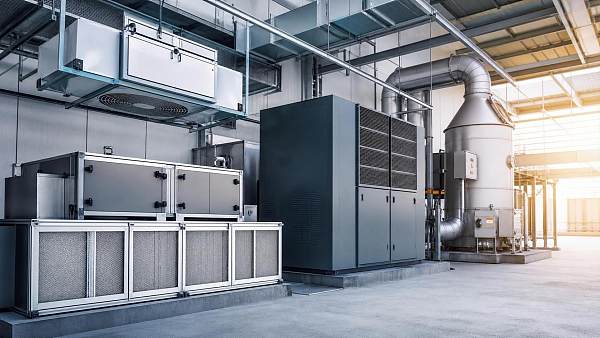
For environmental compliance, high-tech HVAC often works beside dust collectors, scrubbers, and ventilation systems. Together, they support safer air handling, lower exposure risk, and more controlled emissions.
- Lower contamination events and stronger process continuity
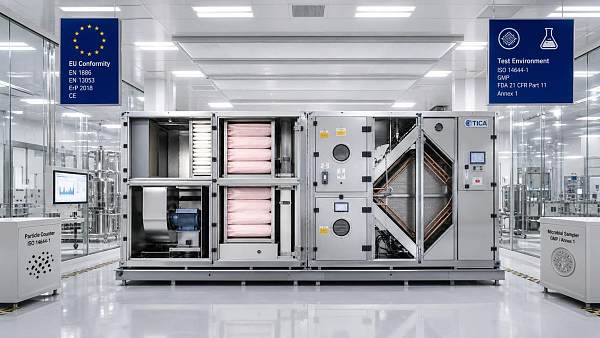
- Better readiness for ISO 14644 and related cleanroom expectations
- Reduced HVAC energy waste through heat recovery and smart sequencing
- More transparent operating data for audits and optimization
Typical high-tech HVAC system paths
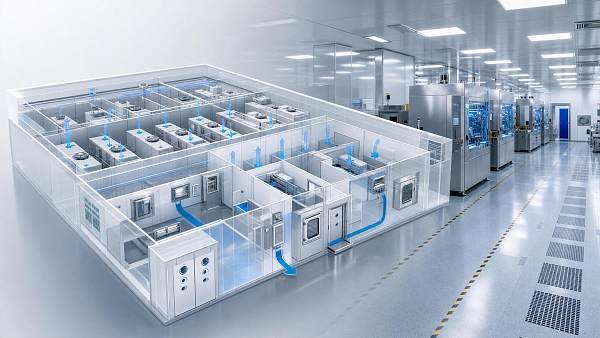
Different sites require different high-tech HVAC combinations. The most effective designs align system selection with contamination risk, thermal load, moisture sensitivity, and air exchange needs.
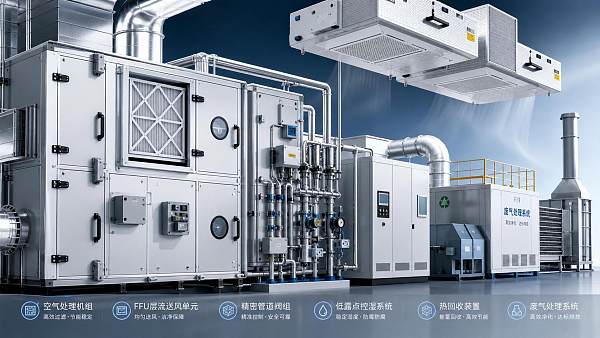
Representative system categories
This mix shows why high-tech HVAC is broader than one product type. It is an environmental control approach built around site-specific precision and lifecycle efficiency.
Application value across sectors
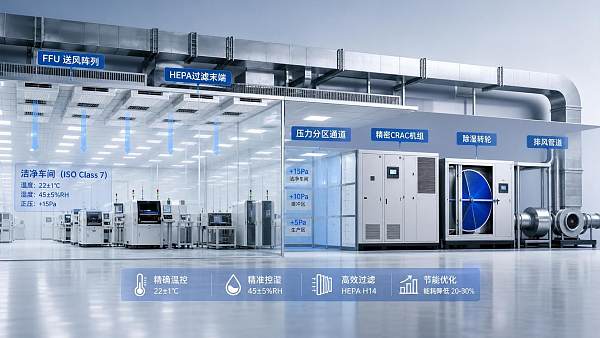
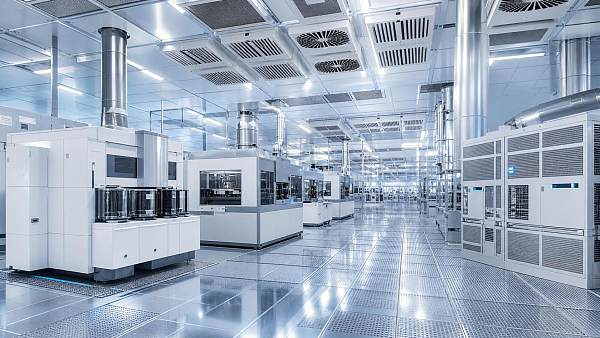
In semiconductors, high-tech HVAC supports ultra-clean air, pressure control, and thermal consistency. Small environmental fluctuations can affect yield, tool behavior, and maintenance frequency.
In new energy production, especially lithium battery facilities, deep dehumidification is critical. High-tech HVAC helps avoid moisture-related reactions and supports safer, more stable coating operations.
In commercial real estate, high-tech HVAC improves fresh air quality while limiting energy penalties. ERV integration is especially useful where sustainability targets and occupant comfort must advance together.
In heavy industry, the smart upgrade angle often centers on ventilation coordination, pollutant capture, and energy-aware exhaust strategies. The result is safer operation with clearer environmental performance data.
Sector priorities at a glance
- Semiconductors: cleanliness, laminar airflow, pressure balance, uptime
- Battery manufacturing: ultra-low dew point, corrosion prevention, process safety
- Commercial buildings: fresh air, energy recovery, indoor comfort, carbon reduction
- Heavy industry: pollutant extraction, explosion-safe ventilation, emissions control
Practical considerations for a smart upgrade
A successful high-tech HVAC upgrade starts with load clarity. Teams should define particle limits, humidity bands, heat loads, pressure zones, and required operating flexibility before equipment selection.
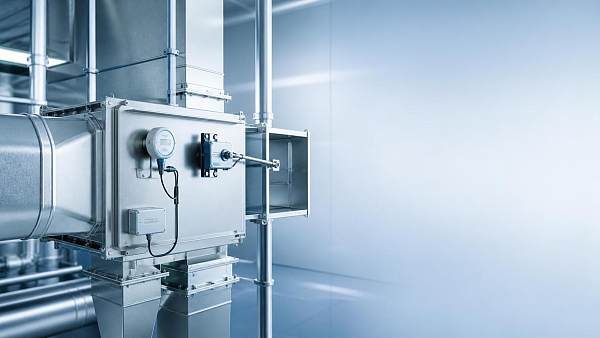
Control integration is equally important. Sensors, BMS links, alarms, and trend records should support fast diagnosis. Good data turns high-tech HVAC from static equipment into a manageable performance platform.
Commissioning should test more than basic startup. It should verify airflow patterns, recovery efficiency, setpoint stability, failure response, and realistic operating modes across the full environmental range.
Maintenance planning also matters early. Filter access, desiccant wheel service, fan reliability, calibration schedules, and spare part logic affect actual long-term performance more than design intent alone.
Implementation checklist
- Map environmental risk by zone and process step.
- Set measurable targets for cleanliness, temperature, humidity, and energy use.
- Choose high-tech HVAC components that match the dominant risk.
- Validate controls, alarms, and data visibility during commissioning.
- Review lifecycle cost, not just initial installation cost.
The role of intelligence-driven environmental control
CECS highlights an important industry lesson. High-tech HVAC performs best when engineering, compliance insight, thermodynamic understanding, and financial analysis work together from the beginning.
That is why strategic intelligence matters. Cleanroom standards, thermal recovery claims, airflow behavior, and lifecycle economics all shape whether a smart upgrade truly delivers project value.
A well-planned high-tech HVAC strategy can create the dual outcome many projects seek: absolute cleanliness where precision is critical, and meaningful energy savings where scale drives operating cost.
Next-step direction for high-tech HVAC planning
High-tech HVAC should be assessed as infrastructure with business impact, not as a hidden utility line item. The strongest results come from linking environmental targets to process, compliance, and energy goals.
Start with one clear step: review where environmental instability creates cost, risk, or waste. Then compare those pressure points with smarter airflow, filtration, dehumidification, ventilation, or heat recovery options.
When high-tech HVAC becomes a smart upgrade, projects gain more than equipment. They gain cleaner performance, stronger resilience, and a more credible path toward efficient, future-ready environmental control.
Recommended News
 Aug 18, 2026How to Evaluate a High-Tech HVAC Manufacturer for Cleanroom and Precision FacilitiesHigh-tech HVAC manufacturer evaluation guide for cleanrooms and precision facilities. Learn how to assess control stability, compliance, serviceability, and long-term operational risk.
 Aug 13, 2026How to Select VAV Airflow Control Systems for Labs and Cleanroom HVAC ProjectsVAV airflow control systems are critical for labs and cleanroom HVAC projects. Discover how to choose the right system for stability, compliance, and energy savings.
 Jul 21, 2026How to Evaluate Cleanroom Equipment Suppliers in the Middle East for New ProjectsCleanroom equipment Middle East supplier selection starts with technical fit, compliance, service, and lifecycle cost. Discover how to evaluate vendors and reduce project risk.
 Jul 19, 2026How to Estimate HVAC Cost for Electronics Manufacturing Cleanrooms and Production AreasElectronics manufacturing HVAC cost explained: learn how cleanroom class, humidity control, filtration, exhaust, and energy recovery shape realistic budgets and smarter project decisions.
 Jul 14, 2026Electronics Cleanroom Systems in Southeast Asia: How to Choose AHU, FFU, and HEPA LevelsElectronics cleanroom systems Southeast Asia: learn how to choose AHU, FFU, and HEPA levels for better yield, humidity control, energy efficiency, and long-term ROI.
 Jul 13, 2026Cleanroom Design Layout Basics: Zoning, Material Flow, and Contamination ControlCleanroom design layout basics explained: learn zoning, material and personnel flow, and contamination control strategies that reduce risk, improve compliance, and support efficient project planning.
 Jul 12, 2026Air Handling Units Supplier Checklist: 7 Specs to Compare Before You BuyAir handling units supplier checklist: compare 7 critical specs before you buy. Learn how to evaluate airflow, filtration, humidity control, efficiency, and compliance to cut risk and lifetime cost.
 Jul 11, 2026Cleanroom Equipment for Pharmaceutical Plants: What to Specify for GMP ComplianceCleanroom equipment for pharmaceutical plants: learn what to specify for GMP compliance, from airflow and HEPA filtration to pressure, humidity, and cleanability by process.
 Jul 11, 2026EU ETS Revision Reaches Cleanroom AHUsEU ETS revision brings Cleanroom AHUs into focus. Learn how the 2026 amendment affects CE DoC disclosure, carbon cost allocation, EPC tenders, and supplier selection before 2027.
 Jul 10, 2026Cleanroom AHU Cost Guide: Price Ranges, Configuration Factors, and Budget PlanningCleanroom AHU cost explained with realistic price ranges, key configuration factors, and budget tips to compare quotes, avoid hidden costs, and plan smarter cleanroom investments.
 Jul 09, 2026How to Select Precision Air Conditioning for Cleanrooms by Temperature, RH, and Particle RiskPrecision air conditioning for cleanrooms: learn how to choose the right system by temperature stability, RH control, and particle risk to protect yield, ensure compliance, and cut lifecycle cost.
![]() Jul 07, 2026How to Select Heat Recovery Ventilation Systems for Cleanrooms by Class and Air Change RateHeat recovery ventilation systems for cleanrooms: learn how to choose by ISO class, air change rate, leakage risk, and energy performance for safer, more efficient cleanroom operation.
Jul 07, 2026How to Select Heat Recovery Ventilation Systems for Cleanrooms by Class and Air Change RateHeat recovery ventilation systems for cleanrooms: learn how to choose by ISO class, air change rate, leakage risk, and energy performance for safer, more efficient cleanroom operation. Jul 06, 2026Semiconductor Clean Air Systems for Wafer Fabs: Key Design Factors for Yield ControlSemiconductor clean air systems for wafer fabs directly affect yield. Explore key design factors in airflow, AMC, humidity, and pressure control to improve fab stability.
 Jul 04, 2026When to Use Cleanroom Design Services: Scope, Deliverables, and Project Handover TipsCleanroom design services: learn when to engage specialists, what deliverables to request, and how smart handover planning reduces risk, protects compliance, and avoids costly rework.
 Jul 02, 2026How HVAC Humidity Stability Affects Yield in Semiconductor ManufacturingSemiconductor manufacturing HVAC humidity stability directly affects yield, ESD risk, contamination control, and uptime. Learn how stable humidity reduces defects and protects fab performance.
 Jul 02, 2026EN 1886:2026 Sets New EU Entry Bar for Cleanroom AHUsEN 1886:2026 raises the EU entry bar for cleanroom AHUs with new CE marking rules on micro-leakage and heat recovery. Learn what exporters, manufacturers, and buyers must do before 2027.
 Jul 01, 2026SEMI Semiconductor Cleanroom Solutions: What to Compare Before Planning a New FabSEMI semiconductor cleanroom solutions compared the right way: evaluate airflow, humidity, filtration, energy, and scalability before planning a new fab to protect yield and avoid costly redesign.
 Jun 30, 2026What a Clean Environment Control Systems Manufacturer Should Provide Beyond Basic HVACClean environment control systems manufacturer selection should go beyond HVAC. Learn how the right partner improves cleanliness, dew point control, compliance, and energy savings.
 Jun 29, 2026What Drives Cleanroom Temperature Control Cost in New Facility Projects?Cleanroom temperature control cost depends on ISO class, humidity precision, heat load, airflow, redundancy, and lifecycle energy use. Learn what truly drives budgets in new facility projects.
 Jun 27, 2026Electronics Cleanroom Systems Cost Breakdown: What Drives CapEx and Operating Expense?Electronics cleanroom systems cost more than equipment alone. Discover what drives CapEx and operating expense, from FFUs and humidity control to compliance, energy use, and lifecycle risk.
 Jun 25, 2026Clean Environment Control Systems vs Traditional HVAC: Which Fits Sensitive Production?Clean environment control systems vs traditional HVAC: discover which solution better protects sensitive production, improves compliance, and reduces costly contamination risk.
 Jun 25, 2026Electronics Cleanroom Solutions: How to Choose FFU, AHU, and HEPA SetupsElectronics cleanroom solutions explained: learn how to choose FFU, AHU, and HEPA setups to improve yield, control airflow, and reduce lifecycle costs.
 Jun 24, 2026Cleanroom Airflow Control vs Pressure Control: What Matters More for Contamination Risk?Cleanroom airflow control vs pressure control: discover which factor has the bigger impact on contamination risk, product protection, compliance, and cleanroom performance.
 Jun 23, 2026How to Set Cleanroom Temperature Regulation for Stable Processes and Product QualityCleanroom temperature regulation starts with process needs, not generic setpoints. Learn how to control temperature, humidity, airflow, and deviations for stable quality and higher yield.