Search News
Industry Portal
Hot Articles
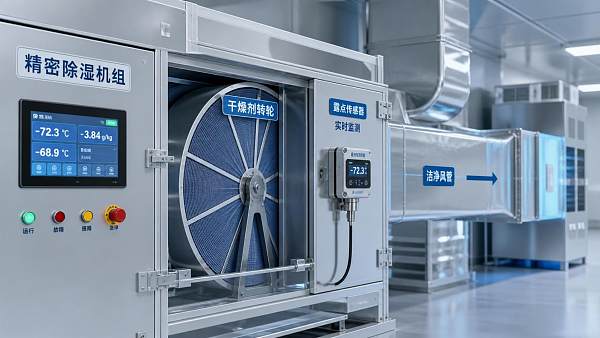
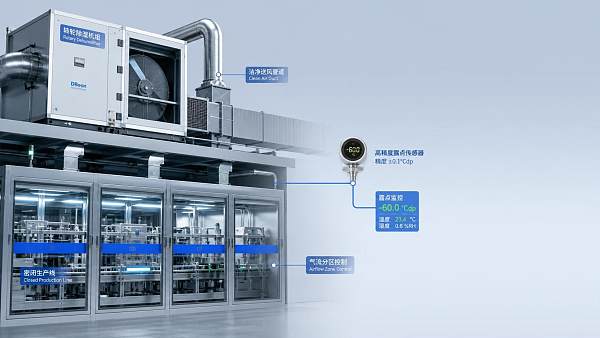
- How to Choose Extreme Humidity Control Automation for CleanroomsExtreme humidity control automation for cleanrooms: learn how to select reliable, energy-efficient controls for dew point stability, monitoring, integration, and failure recovery.
- How to Size a Workshop Roof Exhaust System for Heat, Fumes, and Dust ControlRoof exhaust workshop systems: learn how to size airflow for heat, fumes, and dust, optimize makeup air, control costs, and improve workplace safety.
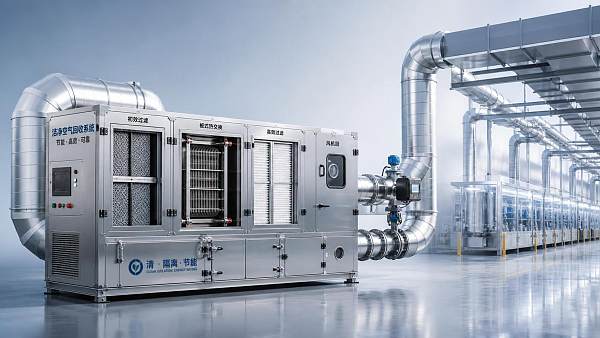
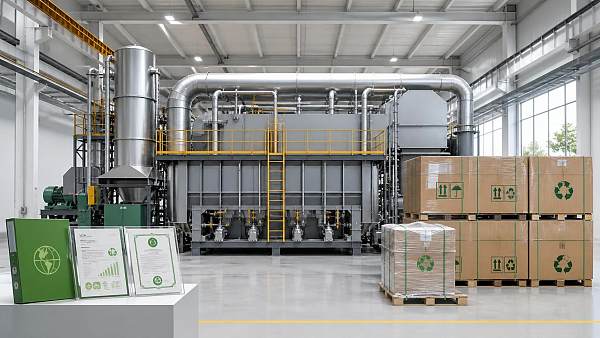
- How to Evaluate a Clean Air Recovery System Supplier for Industrial ProjectsChoose a clean air recovery system supplier with confidence. Compare technology, compliance, lifecycle cost, contamination control, and service for reliable industrial performance.
Popular Tags
UAE ADQ Mandates Sensible/Total Heat ERVs for Zero-Carbon Buildings
author
Time
Click Count

On 31 May 2026, Abu Dhabi Developmental Holding Company (ADQ), the sovereign wealth fund of the United Arab Emirates, launched a mandatory procurement framework for energy recovery ventilation (ERV) systems in new zero-carbon construction projects—marking a significant regulatory shift for HVAC equipment suppliers, EPC contractors, and international manufacturers.
Policy Rollout and Immediate Procurement Action
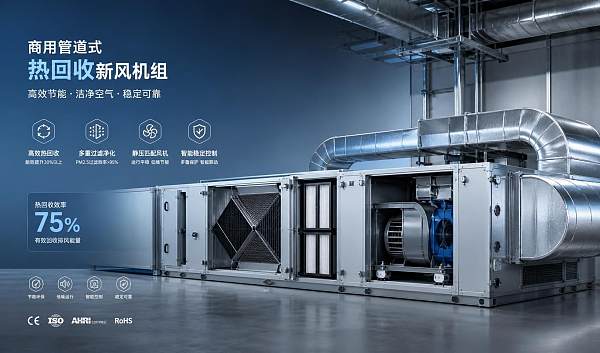
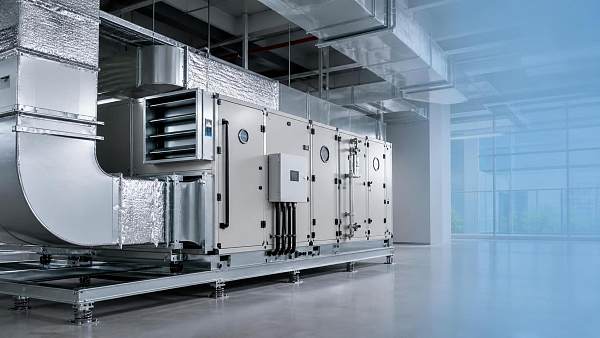
ADQ officially published the National Zero-Carbon Building Technology Procurement White Paper on 31 May 2026. The document stipulates that all newly initiated government and large-scale commercial construction projects must integrate Sensible/Total Heat ERV systems. Compliance requires dual certification to EN 308 and ISO 13790. The policy entered into force immediately upon publication. Thirty-seven EPC projects have been opened to international tender, and Chinese ERV manufacturers must complete compliance pre-registration by 20 June 2026.
Impacts Across the Supply Chain
Direct Exporters
Manufacturers exporting ERV units to the UAE now face a hard technical and certification gate: only Sensible/Total Heat ERV models certified to both EN 308 (air-to-air heat exchanger testing) and ISO 13790 (building energy performance calculation) are eligible. This directly affects tender eligibility, contract award timelines, and product positioning in bid submissions.
Raw Material and Component Suppliers
Suppliers of core ERV components—including heat exchanger cores, ECM motors, humidity-sensing membranes, and control boards—must verify compatibility with certified system architectures. Documentation traceability (e.g., material test reports aligned with EN 308 test conditions) is now a prerequisite for downstream integration.
Equipment Manufacturers
Manufacturers must revalidate full-system performance under the specified operating conditions referenced in EN 308 and ISO 13790—particularly sensible vs. total heat recovery efficiency, pressure drop limits, and annual energy simulation inputs. Factory production lines may require recalibration or documentation upgrades to support audit-ready certification dossiers.
Supply Chain Service Providers
Logistics, customs brokerage, and technical conformity assessment service providers must adapt to accelerated pre-market verification workflows. Pre-registration deadlines (e.g., 20 June 2026 for Chinese firms) compress lead times for third-party testing, CE marking support, and Arabic-language technical documentation preparation.
Key Compliance Priorities for Manufacturers
EN 308 & ISO 13790 Certification Alignment
Manufacturers must confirm active, valid certification for each ERV model against both standards—not just individual component tests. Certification bodies must be accredited under ISO/IEC 17065, and reports must explicitly reference the tested configuration used in tender submissions.
Technical Tender Specification Mapping
Bid documents for the 37 EPC projects will reference mandatory performance thresholds derived from ISO 13790-based annual energy modeling. Manufacturers must ensure their declared sensible/total heat recovery rates, airflow ranges, and fan power inputs align precisely with those modeled assumptions—and provide supporting calculation files upon request.
Pre-Registration Documentation Package
Chinese manufacturers must submit, by 20 June 2026, a pre-audit package including: certified test reports, factory quality management system evidence (e.g., ISO 9001), technical manuals in English and Arabic, and a declaration of conformity signed by an authorized legal representative.
Industry Observation: A Strategic Shift in Technical Procurement
Analysis shows this move reflects a broader regional pivot—from prescriptive equipment mandates toward performance-based, whole-building energy accountability. It is more appropriate to understand this as a deliberate calibration of procurement rules to accelerate decarbonization while raising the bar for technical due diligence. What deserves closer attention is the compressed timeline between policy release (31 May) and pre-registration deadline (20 June): such urgency signals limited grace periods for alignment, implying tighter scrutiny of legacy certifications and increased reliance on accredited local representatives for rapid validation.
Strategic Implications for Global HVAC Suppliers
This directive establishes the UAE not merely as a market but as an emerging regulatory benchmark for high-efficiency ventilation in hot-arid climates. Its enforceability across public and large private developments signals growing convergence between national climate targets and technical procurement policy. For global suppliers, responsiveness hinges less on capacity expansion and more on agility in certification governance, documentation localization, and bid-readiness infrastructure.
Source Verification Notice
This article was generated exclusively from the provided input: title, event date (31 May 2026), and event summary. Specific official source links were not provided in the input and should be verified continuously. Stakeholders are advised to monitor ADQ’s official procurement portal for final tender documents, interpretation notes on EN 308/ISO 13790 application, and updates to the pre-registration process for non-UAE manufacturers.
Recommended News
 Sep 01, 2026How to Choose Extreme Humidity Control Automation for CleanroomsExtreme humidity control automation for cleanrooms: learn how to select reliable, energy-efficient controls for dew point stability, monitoring, integration, and failure recovery.
 Aug 31, 2026How to Size a Workshop Roof Exhaust System for Heat, Fumes, and Dust ControlRoof exhaust workshop systems: learn how to size airflow for heat, fumes, and dust, optimize makeup air, control costs, and improve workplace safety.
 Aug 30, 2026How to Evaluate a Clean Air Recovery System Supplier for Industrial ProjectsChoose a clean air recovery system supplier with confidence. Compare technology, compliance, lifecycle cost, contamination control, and service for reliable industrial performance.
 Aug 29, 2026ISO 14644 Certification Process: From Cleanroom Testing to Compliance ApprovalISO 14644 certification process explained: prepare your cleanroom, complete particle testing, address failures, and achieve compliance approval with confidence.
 Aug 28, 2026How Factories Can Select Air Quality Controls for Dust, Fumes, and VOCsIndustrial air quality control for factories: learn how to select effective solutions for dust, fumes, and VOCs while improving safety, compliance, energy efficiency, and uptime.
 Aug 27, 2026How to Size Industrial Gas Scrubbing Units for Acid Fumes and Variable AirflowsIndustrial gas scrubbing units: learn how to size acid-fume scrubbers for variable airflows, peak loads, chemical demand, pressure drop, and reliable compliance.
 Aug 26, 2026How to Evaluate Industrial Air Quality Control Systems for Dust, Fumes, and VOCsIndustrial air quality control systems: learn how to evaluate dust, fumes, and VOC solutions by capture efficiency, compliance, maintenance, and lifecycle cost.
 Aug 25, 2026How to Select Cleanroom Particle Control Equipment for ISO Class and Process RiskCleanroom particle control equipment selection starts with process risk, ISO class, and airflow design. Learn how to compare FFUs, filters, and monitoring for reliable performance.
 Aug 24, 2026How to Choose a Ducted Heat Recovery Ventilation System for Commercial BuildingsDucted heat recovery ventilation for commercial buildings: learn how to compare efficiency, static pressure, controls, IAQ, and lifecycle cost to choose a smarter, high-performance system.
 Aug 23, 2026How Laminar Airflow Supports Compliance and Contamination Control in Medical Device ManufacturingLaminar airflow for medical devices helps reduce contamination risk, support cleanroom compliance, and improve audit readiness—see how it protects product quality and manufacturing control.
 Aug 22, 2026How to Verify CE Compliance When Comparing VOC Treatment Systems for EU ProjectsVOC treatment systems CE certified: learn how to verify real EU compliance, check directives, ATEX, and documentation, and avoid costly procurement and site integration risks.
 Aug 21, 2026How to Achieve Stable RH Precision Humidity Control in Cleanroom Production?Stable RH precision humidity control starts with process-based design. Learn how airflow, sensors, dehumidification, and recovery logic keep cleanroom production consistent and reliable.
 Aug 20, 2026How to Select Airflow Control Dampers for Pressure Balance and Energy EfficiencyAirflow control dampers selection starts with pressure balance, leakage, and control authority—not duct size alone. Learn how to improve stability and energy efficiency.
 Aug 19, 2026What Drives Cleanroom Compliance Cost in Pharma and Semiconductor Projects?Cleanroom compliance cost in pharma and semiconductor projects depends on ISO class, airflow, humidity control, validation, and energy use. Learn what drives cost and how to avoid costly overdesign.
 Aug 18, 2026How to Evaluate a High-Tech HVAC Manufacturer for Cleanroom and Precision FacilitiesHigh-tech HVAC manufacturer evaluation guide for cleanrooms and precision facilities. Learn how to assess control stability, compliance, serviceability, and long-term operational risk.
 Aug 17, 2026How to Evaluate a Commercial ERV Systems Supplier for Large Building ProjectsCommercial ERV systems supplier selection for large projects goes beyond price. Learn how to compare performance, compliance, controls, delivery, and lifecycle cost to reduce risk.
 Aug 16, 2026Commercial Ventilation Pricing: What Drives Cost in Industrial and Office Projects?Commercial ventilation pricing varies by airflow, compliance, and installation needs. Learn what drives costs in industrial and office projects—and how to compare quotes smarter.
 Aug 16, 2026EU Issues New RTO/RCO Compliance Guide, Adds Carbon and Efficiency CertificationEU releases a new RTO/RCO compliance guide with carbon and efficiency certification requirements, signaling stricter market access rules and urgent action for exporters.
 Aug 15, 2026What Makes an HVAC System Energy-Efficient for European Buildings?Energy efficient HVAC Europe solutions help European buildings cut costs, boost comfort, and meet carbon targets. Discover the design factors that truly improve performance.
 Aug 15, 2026China Issues New Export Compliance Rules for RTO/RCO SystemsChina's new export compliance rules for RTO/RCO systems are reshaping market access. Learn what the 2026 regulations mean for exporters, buyers, and green procurement.
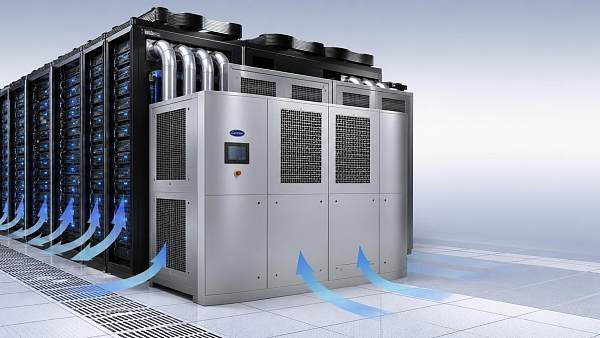
 Aug 14, 2026How to Evaluate a Precision Cooling Supplier for High-Density Data CentersPrecision cooling supplier guide for high-density data centers: learn how to evaluate reliability, scalability, compliance, and lifecycle value before you buy.
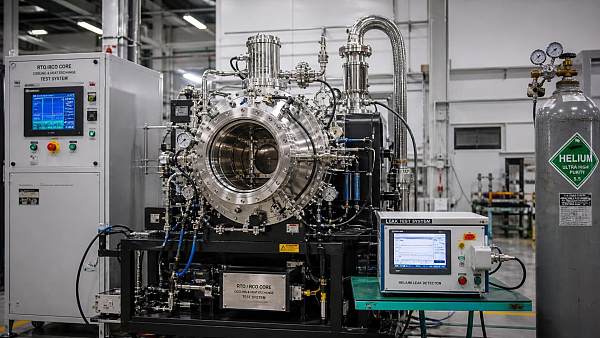
 Aug 14, 2026China’s Temporary Helium Export Ban Slows RTO/RCO Core Cooling DeliveriesChina’s temporary helium export ban may delay RTO/RCO core cooling deliveries, especially for final testing and certification. Learn how it impacts projects and what companies should check next.
 Aug 13, 2026How to Select VAV Airflow Control Systems for Labs and Cleanroom HVAC ProjectsVAV airflow control systems are critical for labs and cleanroom HVAC projects. Discover how to choose the right system for stability, compliance, and energy savings.
 Aug 12, 2026How to Select Dew Point Control Systems for Battery Plants?Dew point control systems for battery plants: learn how to compare stability, energy use, controls, and maintenance to choose a safer, more efficient dry room solution.