Search News
Industry Portal
Hot Articles
- Choosing a Clean Air Supplier for Semiconductor Fabs: What to CheckChoosing a semiconductor clean air supplier? Compare ISO 14644 testing, airflow, lifecycle costs, and service support to make a confident sourcing decision.
- Georg Fischer Reports Data Center Liquid-Cooling Orders Doubled in H1 2026Georg Fischer's reported H1 2026 data center liquid-cooling order growth signals shifting demand. Explore what buyers and suppliers should verify before purchasing.
- Nvidia Backs Madrone's Chiller-Free Data Center Cooling DevelopmentNvidia-backed Madrone is developing chiller-free data center cooling. Discover its potential impact on AI infrastructure energy and water use.
Popular Tags
Applied Materials Sees Cleanroom Capacity Constraining Chip Expansion
author
Time
Click Count
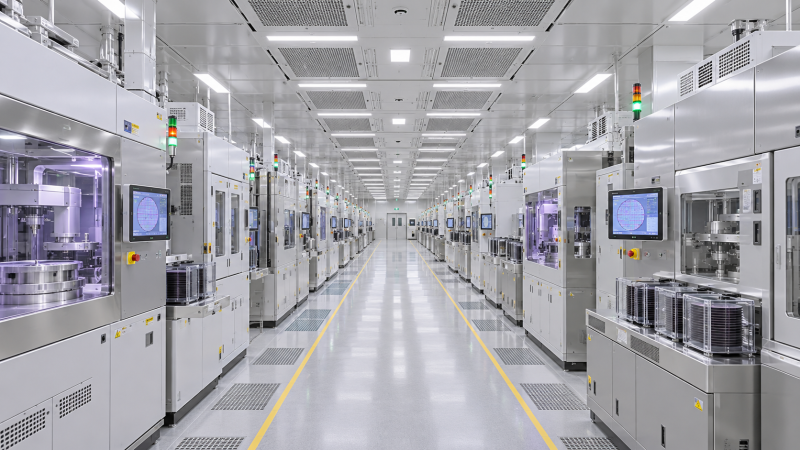
Applied Materials identified cleanroom capacity as a central constraint on semiconductor production expansion as it reported record results for its fourth fiscal quarter on November 13, 2026. The company also projected that global wafer fab equipment spending would rise by more than 30% in 2027.
The two statements point to a distinction for the industry: demand for additional manufacturing equipment does not, by itself, create space in which that equipment can operate. If cleanroom capacity limits the pace at which fabs can expand, equipment spending and production capacity may not increase on the same timetable.
Applied Materials’ outlook is a forecast for global spending, while its comments on cleanroom capacity describe a constraint on expansion. Neither establishes how much capacity any individual fab will add or when a particular facility will be ready. The relationship between those two signals will depend in part on how quickly cleanroom space and supporting environmental systems can be delivered.
Why cleanroom space matters to expansion
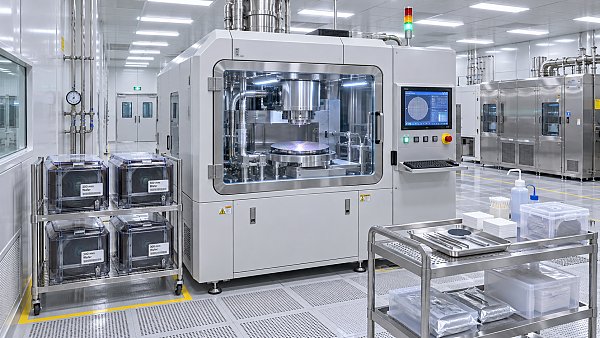
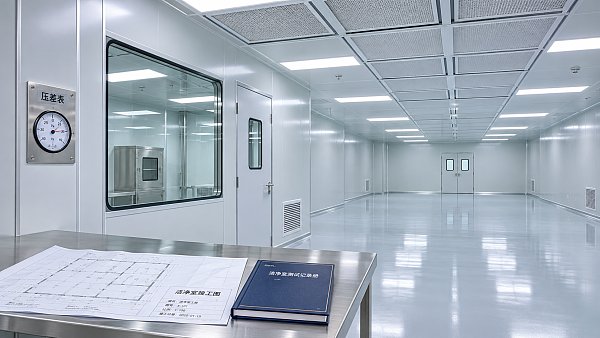
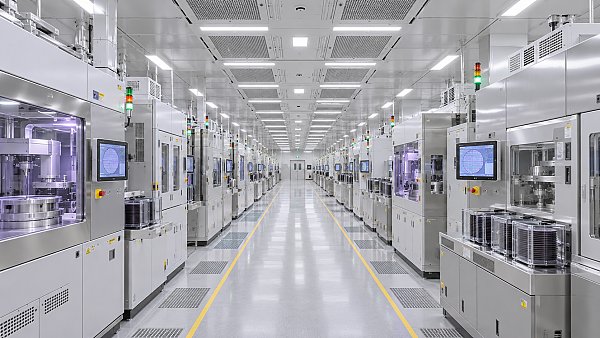
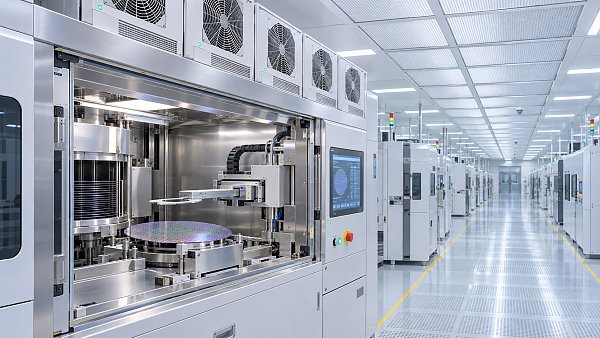
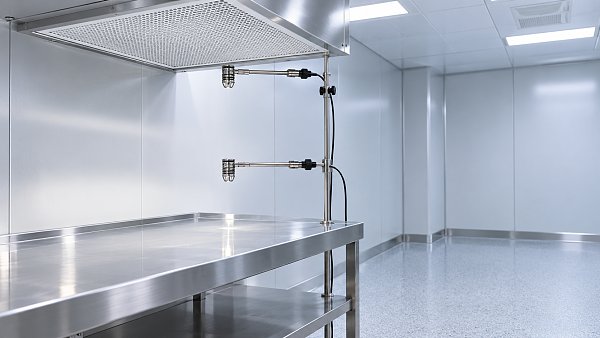
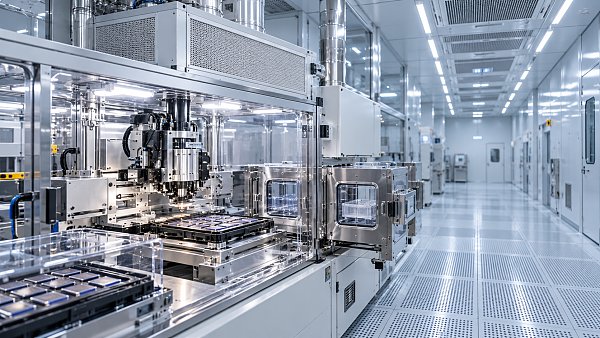
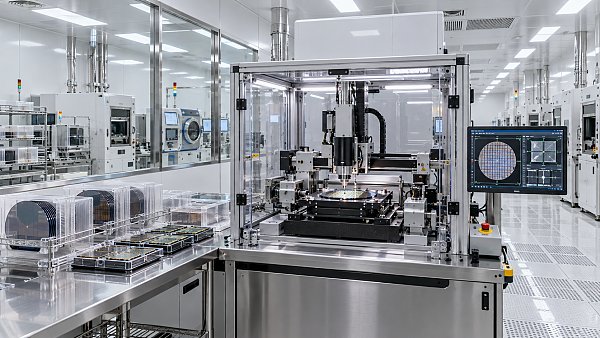
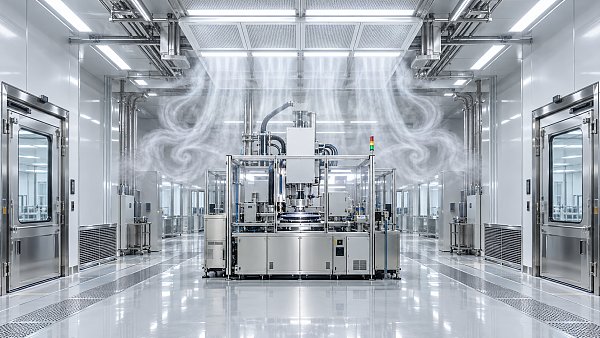
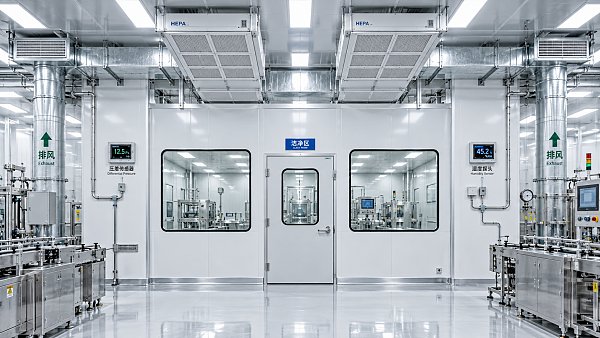
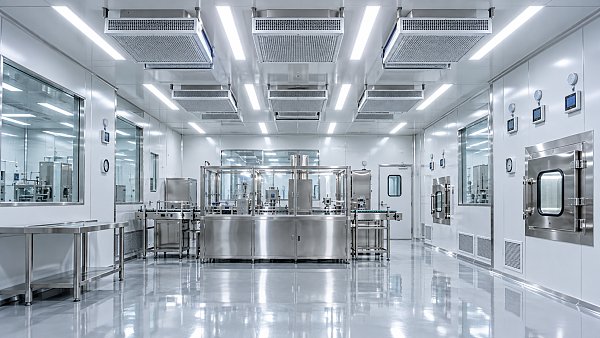
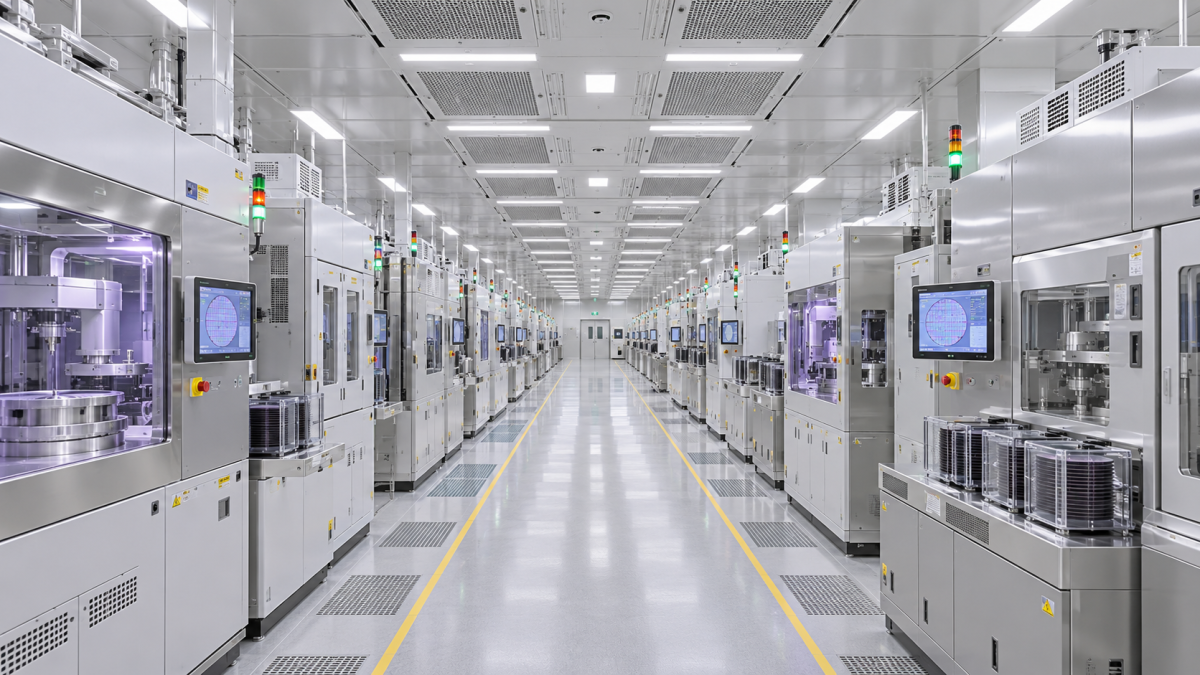
Semiconductor manufacturing equipment must operate in controlled environments. Adding tools therefore requires more than placing orders: suitable cleanroom space and the systems that support the environment must also be available. Where that space is a limiting factor, the path from a spending decision to additional production capacity becomes more dependent on construction and facility readiness.
That distinction helps explain why Applied Materials’ assessment matters even alongside a strong equipment spending forecast. An increase in spending can reflect plans to expand or equip fabs, but the forecast alone does not show how quickly the resulting tools will translate into usable manufacturing capacity. A facility’s readiness to receive and operate equipment remains a separate part of the expansion process.
The management assessment also shifts attention from the existence of AI demand or equipment orders to the physical conditions needed to accommodate expansion. It does not mean demand or orders have ceased to matter. It means that, in the company’s assessment, cleanroom capacity is the more immediate constraint on how quickly additional capacity can be put in place.
Facility systems become part of the delivery path
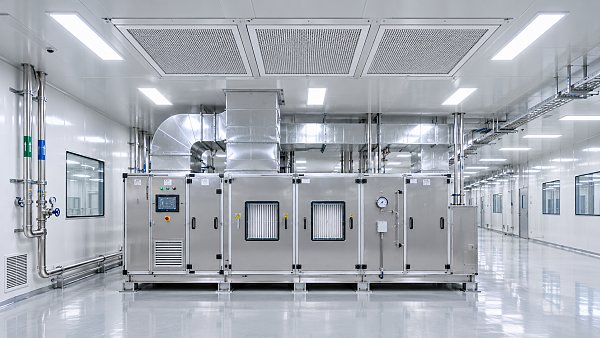
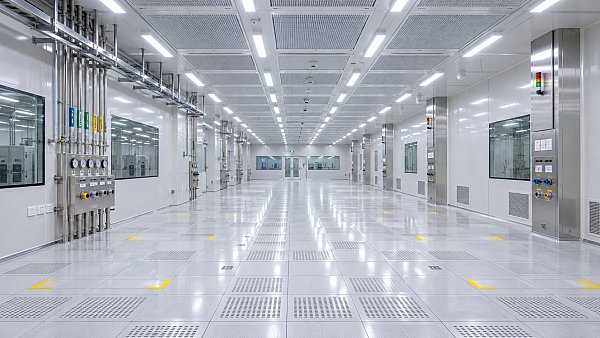
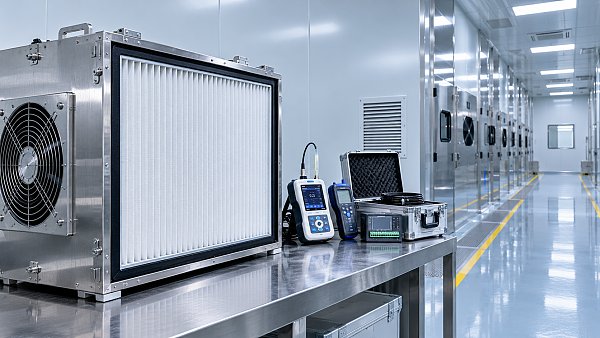
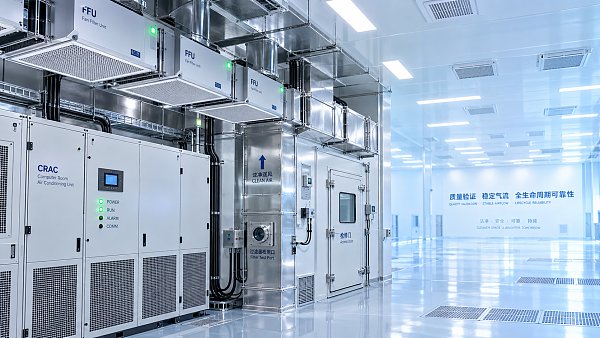
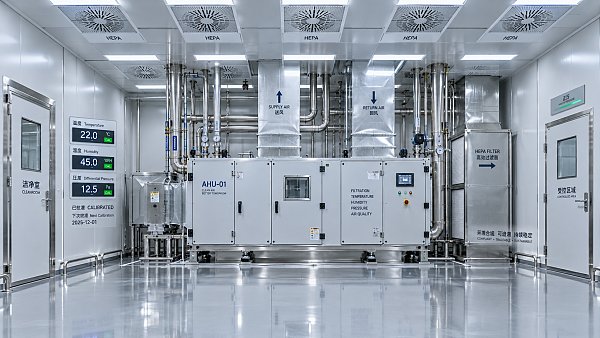
Cleanroom readiness depends on more than the availability of floor space. Environmental control equipment, including fan filter units (FFUs), computer room air conditioners (CRACs) and air handling units (AHUs), forms part of the supporting infrastructure identified in the industry outlook. The timing and coordination of those systems can therefore matter to the wider fab expansion schedule.
For a fab project, the practical question is whether the cleanroom and its supporting systems will be ready when manufacturing equipment needs to be installed and operated. If facility work takes longer than the equipment schedule allows, additional tools may not immediately translate into additional output. Conversely, available cleanroom capacity can make it easier to accommodate equipment, provided the other requirements for installation and operation are also met.
This creates a potential link between decisions made by fab operators, equipment suppliers and providers of cleanroom infrastructure. Their schedules address different parts of an expansion, but the final result depends on those parts coming together. A delay in one area could affect when the broader facility is ready, even if spending commitments elsewhere remain intact.
The forecast does not establish that FFU, CRAC or AHU orders will rise by any particular amount. Equipment spending covers the wafer fab equipment market; the reported outlook does not provide a separate forecast for cleanroom systems. The connection is that cleanroom delivery may influence how quickly fabs can make use of additional manufacturing equipment.
Spending growth and capacity growth are different measures
The projection of more than 30% growth in global wafer fab equipment spending is a statement about expenditure, not a direct measurement of new cleanroom area or semiconductor output. Spending can be committed to equipment on a schedule that differs from construction, installation and the point at which a fab can increase production.
Cleanroom constraints could widen that timing gap. If operators plan equipment purchases faster than suitable space becomes available, some of the capacity associated with those purchases may take longer to come online. The extent of any delay would depend on the readiness of individual facilities and the progress of their supporting infrastructure.
The forecast also does not identify how the projected increase will be distributed across individual projects or equipment categories. It should therefore be read as a global outlook rather than as evidence that every fab expansion, supplier or facility system will experience the same rate of growth.
For businesses involved in the delivery chain, the near-term issue raised by the assessment is coordination. Fab operators need to match equipment plans with facility availability; equipment suppliers have an interest in when customers can receive and install tools; and providers of environmental systems are connected to the readiness of the space those tools require. The implications for each participant will vary with the projects and schedules involved.
What will show whether the constraint persists
Further company announcements about fab expansion and facility readiness could help clarify whether cleanroom availability continues to govern the pace of capacity additions. Developments in the delivery of supporting environmental systems are also relevant, particularly where operators discuss them in connection with project schedules.
Another point to watch is the relationship between equipment spending and reported capacity additions. If spending rises as forecast while cleanroom space remains constrained, the effect on production capacity could emerge later than the spending increase. If facilities become available in time to accommodate planned equipment, the constraint may have less influence on those projects.
Applied Materials’ comments establish a clear issue for the industry to follow: the ability to build and deliver controlled space may shape how quickly equipment investment becomes operating semiconductor capacity. The projected increase in spending is substantial, but its effect on expansion will depend on execution across both equipment and facility infrastructure.
Got questions about the latest insights discussed here, or seeking customized strategic advice for your business? Drop us a line below, and let the think-tank experts at CECS help you out.
We respect your privacy. Your information is strictly confidential.
Recommended News
 Nov 25, 2026Festo and NOCTI Add Three Skills Certifications for Semiconductor Cleanroom RolesFesto and NOCTI add three semiconductor cleanroom certifications. Explore their potential impact on training, contamination control and workforce planning.
 Nov 24, 2026Macao Productivity Centre Releases Cleanroom and Purified Water GuidanceMacao cleanroom and purified water guidance supports pharmaceutical upgrades. Discover what it could mean for manufacturers and facility compliance.
 Nov 24, 2026Cleanroom Particle Limits by ISO Class: How to Interpret ISO 14644-1Understand cleanroom environmental standards particle limits by ISO class. Learn how to interpret ISO 14644-1 results and assess classification reports.
 Nov 23, 2026Infrastructure Policy and Domestic Substitution Support Cleanroom ProspectsCleanroom prospects may benefit from infrastructure policy and domestic substitution. Explore potential opportunities and what suppliers and buyers should verify.
 Nov 23, 2026Turnkey Cleanroom Solutions: How to Evaluate Project Scope and HandoverEvaluate turnkey cleanroom solutions with confidence. Learn how to define scope, acceptance tests and handover requirements to reduce costly project gaps.
 Nov 15, 2026Applied Materials Sees Cleanroom Capacity Constraining Chip ExpansionApplied Materials highlights cleanroom capacity as a constraint on chip expansion. Explore why rising equipment spending may not immediately translate into production growth.
 Nov 09, 2026Clean Air Technology for Microelectronics: Controlling Fab ContaminationExplore clean air technology for microelectronics, from FFUs and airflow to molecular contamination control, and learn how to protect wafers in real fab conditions.
 Nov 05, 2026US Export Limits Leave SK Hynix's Dalian Cleanroom Equipment Awaiting ApprovalSK Hynix's Dalian cleanroom equipment awaits US export approval. Explore the potential impact on semiconductor procurement and delivery plans.
 Oct 26, 2026Cleanroom Airflow Velocity: Where to Measure and How to Verify UniformityCleanroom airflow velocity: learn where to measure, how to verify uniformity, and why averages can hide risks. Improve testing confidence and protect critical processes with practical guidance.
 Oct 26, 2026AIRERA Showcases TUV Class 0-Certified Oil-Free Compressors at COMVAC ChinaExplore AIRERA’s TUV Class 0-certified oil-free compressors at COMVAC China and discover key air-purity considerations for semiconductor cleanrooms and informed equipment purchasing.
 Oct 25, 2026AIRERA Debuts Class 0 Oil-Free Compressor for Semiconductor Cleanrooms at COMVAC ChinaAIRERA’s Class 0 oil-free compressor debuted at COMVAC China for semiconductor cleanrooms. Explore its TÜV certification and what buyers should assess for air purity.
 Oct 24, 2026Vetting Cleanroom Equipment Suppliers in Southeast Asia: Compliance and Local SupportVetting cleanroom equipment suppliers Southeast Asia offers? Discover how to verify compliance, compare lifecycle costs, and secure reliable local support before you buy.
 Oct 23, 2026Chip Packaging Cleanrooms: Full-Room Control or Localized Mini-Environments?Explore semiconductor cleanroom solutions for chip packaging. Compare full-room control and mini-environments to reduce contamination risks, manage costs, and choose the right design.
 Oct 20, 2026Binghamton University Opens Cleanroom for Chip Manufacturing and Packaging ResearchExplore Binghamton University's new cleanroom for chip manufacturing and packaging research, supporting hands-on training for over 100 students annually and semiconductor workforce development.
 Oct 13, 2026Cleanroom Compliance Service Costs: How Test Scope and Frequency Affect QuotesUnderstand cleanroom compliance service cost by comparing test scope, frequency, and reporting. Learn how to evaluate quotes, avoid hidden fees, and budget smarter without compliance gaps.
 Oct 10, 2026Cleanroom Equipment Manufacturer Comparison: Quality, Validation, and Lifecycle SupportCleanroom equipment manufacturer comparison: evaluate quality evidence, ISO 14644 alignment, validation, airflow consistency, and lifecycle support to reduce project risk.
 Oct 11, 2026Which Cleanroom Design Mistakes Can Cause Contamination Failures?What cleanroom design mistakes can cause contamination failures? Discover how airflow, pressure, layout, and maintenance gaps threaten product quality—and how to prevent them.
 Oct 18, 2026Critical environment compliance failures that can delay facility releaseCritical environment compliance failures can delay facility release. Discover the airflow, filtration, humidity, exhaust, and documentation gaps that threaten approval—and how to address them.
 Oct 17, 2026How critical environment controls compliance affects audit readinessCritical environment controls compliance strengthens audit readiness through traceable monitoring, maintenance verification, deviation handling, and proven corrective actions.
 Oct 11, 2026How to identify the right CECS standard before a cleanroom retrofitCECS cleanroom retrofit guide: identify the right standard by process risk, zoning, airflow, humidity, validation, and lifecycle performance.
 Oct 10, 2026What does CECS mean for cleanroom design compliance?c.e.c.s explained for cleanroom design compliance: explore ISO 14644 alignment, airflow, filtration, pressure, humidity, and commissioning strategies.
 Sep 28, 2026Designing Laminar Airflow for Microelectronics Assembly to Control Particle RiskLaminar airflow for microelectronics: learn how to reduce particle risk with optimized airflow paths, local protection, ISO commissioning, and efficient cleanroom design.
 Sep 23, 2026How to Select Particle Control Equipment for Cleanrooms and Sensitive Production AreasParticle control equipment selection guide for cleanrooms and sensitive production areas. Compare filtration, airflow, pressure, humidity, energy efficiency, and maintenance for reliable compliance.
 Sep 21, 2026EUV Cleanroom Design: Controlling AMC, Airflow, and Micro-Vibration RisksSemiconductor cleanroom solutions for EUV: control AMC, laminar airflow, and micro-vibration with integrated design strategies that protect yield and tool performance.