Search News
Industry Portal
Hot Articles
- How to Select a Gas Scrubbing System for Corrosive Industrial Exhaust StreamsGas scrubbing systems for exhaust: learn how to match corrosive stream chemistry, scrubber design, materials, controls, and compliance needs for reliable performance.
- How to Specify Tight Temperature and Humidity Control for Cleanroom ProcessesTight tolerance temperature and humidity control: learn how to specify measurable setpoints, recovery targets, sensing, and airflow for reliable cleanroom process performance.
- How to Specify ULPA Filter Units for ISO 4 Cleanrooms and Critical ProcessesULPA filter units for ISO 4 cleanrooms: learn how to specify efficiency, airflow uniformity, sealing, testing, and lifecycle energy for critical processes.
Popular Tags
Qingdao Water Conference 2026 Highlights Coastal治理 Technologies
author
Time
Click Count
From June 30 to July 2, 2026, the 21st Qingdao Water Conference is set to place coastal zone governance at the center of discussion through a dedicated seminar on monitoring, treatment, and protection technologies for water ecological environments. For equipment manufacturers, project suppliers, public utility buyers, and technical service providers working in humid and salt-laden coastal settings, the development is worth watching because the agenda and incoming inquiries point to growing attention on corrosion resistance, explosion-proof coordination, and performance requirements tied to verifiable technical standards.
What the conference agenda and inquiries confirm
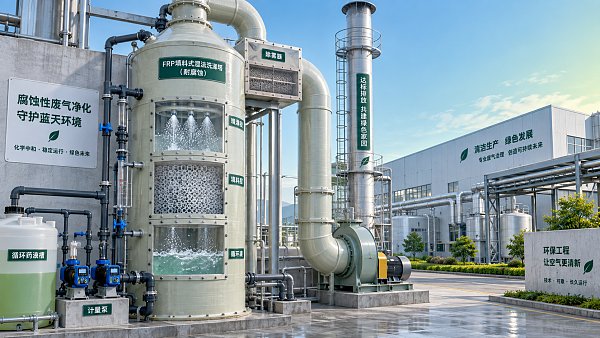
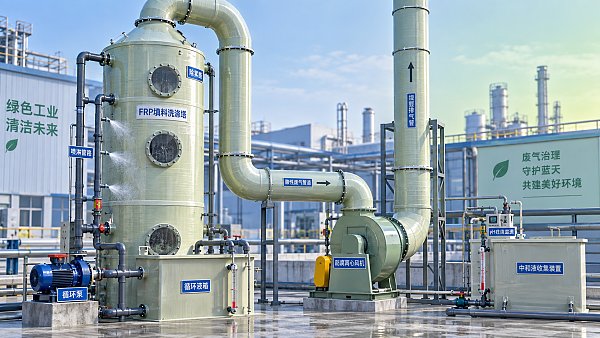
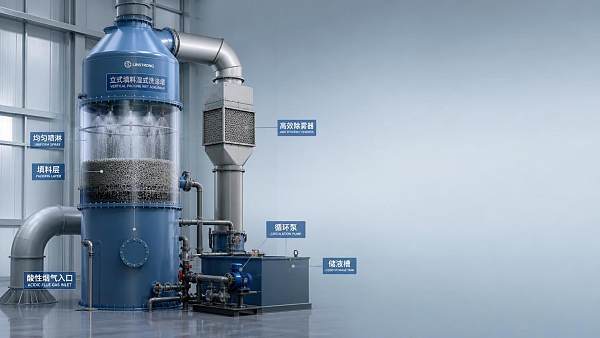
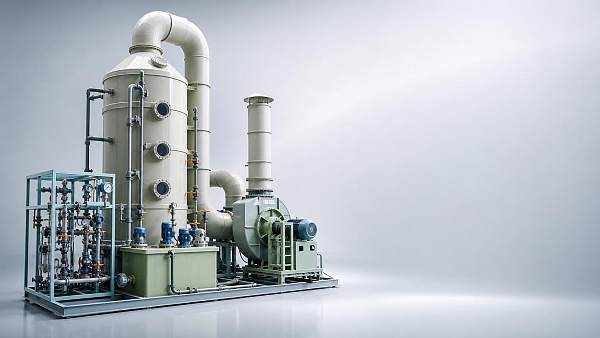
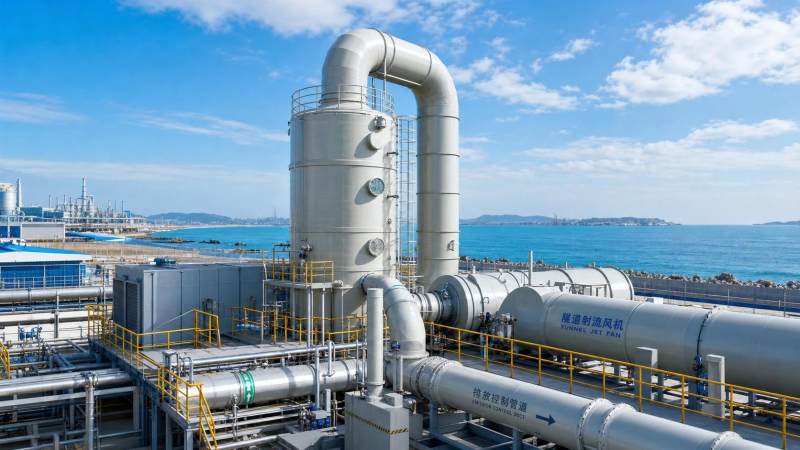
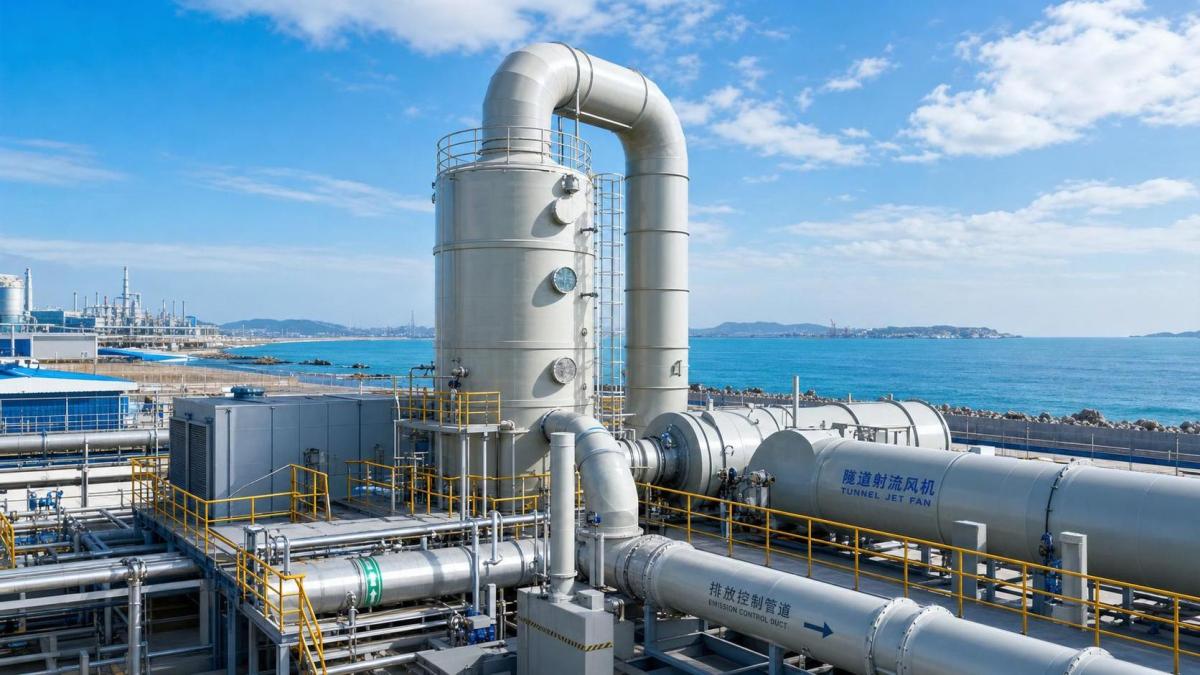
According to the provided event information, the seminar will focus on three technical areas: corrosion-resistant design for Wet Scrubbers in high-humidity and high-salt-mist environments, coordinated explosion-proof and anti-corrosion control for Jet Fans for Tunnels, and coupled modeling for Emission Control & Aerodynamics.
The event is scheduled to take place during the 21st Qingdao Water Conference from June 30 to July 2, 2026. The provided summary also states that the conference has already received targeted technical inquiries from water authorities in coastal cities in Southeast Asia and the Middle East.
Those inquiries explicitly require equipment to meet IP68 and ISO 8501-1 Sa2.5 surface preparation standards. No additional project details, procurement volumes, or contracting outcomes were provided in the input.
Why different market participants may pay attention
For equipment makers, durability requirements move closer to the front end
From an industry perspective, manufacturers of Wet Scrubbers, tunnel ventilation equipment, and related systems may be affected because the discussion is not limited to functional performance alone. The confirmed attention on corrosion resistance, explosion-proof coordination, and surface treatment standards suggests that product design, material selection, coating preparation, and technical documentation may receive closer scrutiny in early-stage customer engagement.
For public-sector buyers and project owners, specification clarity becomes more important
Buyers such as water authorities and project owners may be influenced at the specification-setting stage. The explicit mention of IP68 and ISO 8501-1 Sa2.5 indicates that procurement-side technical requirements may increasingly be framed in measurable compliance terms, especially where equipment is expected to operate in humid, saline, or otherwise aggressive coastal conditions.
For engineering and technical service providers, integration risk deserves attention
Service providers involved in system integration, design support, or performance verification may need to watch how emission control and aerodynamics are discussed together. Analysis shows that when corrosion resistance, explosion-proof control, and coupled modeling appear in the same technical conversation, the impact is likely to be felt in design coordination, technical communication, and acceptance planning rather than in a single standalone component decision.
What companies should watch next
Track whether technical wording becomes more standardized
What deserves closer attention is whether subsequent conference outputs, buyer communications, or related technical exchanges continue to use the same compliance language around IP68 and ISO 8501-1 Sa2.5. If that wording remains consistent, companies may need to align bids, datasheets, and qualification materials more tightly with those reference points.
Review documentation readiness for harsh coastal environments
Companies serving coastal projects may need to examine whether current technical files clearly explain corrosion protection approaches, surface preparation methods, and operating suitability in high-humidity and salt-mist conditions. This is not yet evidence of a broader rule change, but it is a practical checkpoint for supplier readiness.
Separate discussion topics from confirmed procurement rules
Observably, the conference agenda and the incoming inquiries are meaningful signals, but they are not the same as a finalized market-wide mandate. Businesses should distinguish between a technical direction being emphasized in industry dialogue and a formal procurement framework already being applied across all projects.
Prepare for longer technical communication cycles
Where buyers ask for clearly defined environmental protection, anti-corrosion, and surface treatment performance, supplier engagement may require more detailed pre-sales clarification. Companies may therefore want to prepare supporting materials, qualification responses, and delivery-side communication plans in advance.
How this signal should be read at this stage
Analysis shows that this development is better understood as an early but concrete technical market signal rather than a confirmed shift across the entire sector. The combination of conference focus areas and targeted overseas inquiries indicates that coastal governance projects are drawing attention to equipment survivability and system coordination under harsh environmental conditions.
At the same time, the currently available information does not confirm broader procurement adoption, additional regions, or downstream order conversion. It is more appropriate to understand this as a development that merits continued monitoring, especially for companies exposed to coastal utility, ventilation, and emissions-related applications.
What the update means for the sector now
At this point, the most balanced reading is that the Qingdao event highlights a practical shift in attention: coastal environmental governance is being discussed through specific equipment and engineering performance requirements, not only through general environmental goals. For industry participants, the immediate significance lies less in headline impact and more in whether technical standards, corrosion-control expectations, and coupled modeling requirements begin to appear more consistently in real project communications.
In that sense, the update is best treated as a directional industry signal with near-term relevance for specification review and customer communication, while its broader market effect still requires further observation.
Basis of this article and follow-up points
This article is based on the user-provided news title, event date, and event summary. The confirmed facts used here come only from that provided material.
For this type of industry update, commonly relevant source categories may include official event notices, organizer releases, industry association updates, authoritative media coverage, buyer-side announcements, and standard organization documents. A specific official source link was not provided in the input, so further verification remains necessary.
Follow-up observation should focus on whether later official wording, procurement documents, or technical communications continue to reference Wet Scrubbers, Jet Fans for Tunnels, Emission Control & Aerodynamics coupling, and the stated IP68 and ISO 8501-1 Sa2.5 requirements in a consistent way.
Recommended News
 Sep 20, 2026How to Select a Gas Scrubbing System for Corrosive Industrial Exhaust StreamsGas scrubbing systems for exhaust: learn how to match corrosive stream chemistry, scrubber design, materials, controls, and compliance needs for reliable performance.
 Sep 16, 2026Selecting Corrosion-Resistant Zero-Emission Gas Treatment for Acidic Exhaust StreamsCorrosion resistant zero-emission gas treatment: discover how to match materials, scrubber design, waste control, and uptime needs for acidic exhaust streams.
 Sep 11, 2026Selecting Industrial Air Scrubbers for European Plants: Airflow, Filters, and ComplianceIndustrial air scrubbers Europe: learn how to match airflow, filtration, gas chemistry, ATEX considerations, and compliance needs for reliable, efficient plant emissions control.
 Sep 03, 2026Industrial Gas Scrubbing Pricing: Cost Drivers for Compliance ProjectsIndustrial gas scrubbing pricing explained: compare compliance cost drivers, installation scope, operating expenses, and supplier quotes for smarter investments.
 Aug 27, 2026How to Size Industrial Gas Scrubbing Units for Acid Fumes and Variable AirflowsIndustrial gas scrubbing units: learn how to size acid-fume scrubbers for variable airflows, peak loads, chemical demand, pressure drop, and reliable compliance.
 Aug 07, 2026How to Choose an Industrial Gas Purification System for Corrosive Emissions?Industrial gas purification system selection starts with chemistry, corrosion resistance, compliance, and lifecycle cost. Learn how to compare solutions for corrosive emissions with confidence.
 Aug 02, 2026How to Select FRP Industrial Gas Scrubbers for Corrosive Exhaust Streams?FRP industrial gas scrubbers selection guide for corrosive exhaust streams: compare resin, scrubber type, pressure drop, and controls to improve compliance, durability, and ROI.
 Jul 28, 2026How to Evaluate a Gas Scrubbing Systems Supplier for Compliance and Long-Term Cost?Gas scrubbing systems supplier selection affects compliance, uptime, and lifetime cost. Learn how to compare process fit, materials, maintenance, and real operating risk before you buy.
 Jul 26, 2026EPA Rule Takes Effect for Imported Wet ScrubbersEPA rule for imported wet scrubbers now ties U.S. market access to 95% VOCs removal and MQTT emissions uploads. Learn the compliance risks, CBP impact, and key actions exporters should take.
 Jul 09, 2026Industrial Exhaust Treatment Cost Breakdown: CAPEX, OPEX, and Key Price DriversIndustrial exhaust treatment cost explained: compare CAPEX, OPEX, and key price drivers to budget smarter, avoid hidden expenses, and choose the right compliant system.
 Jul 08, 2026China Adds Wet Scrubbers to Export ChecksChina adds wet scrubbers to export checks, bringing stricter inspection, test report requirements, and 5–7 extra clearance days. Learn how exporters and buyers can avoid delays.
 Jul 06, 2026EU Tightens Wet Scrubber VOC Rules for 2026EU Tightens Wet Scrubber VOC Rules for 2026: Learn how new EU compliance, CE marking, dynamic load testing, and real-time VOC reporting will impact exporters and buyers.
 Jun 30, 2026REACH Nickel Limits Tighten for Scrubber PartsREACH nickel limits tighten for scrubber parts from 2027. Learn the new 0.05 mg/cm²/week rule, affected RTO/RCO and wet scrubber components, and how exporters can avoid EU customs risk.
 Jun 28, 2026PP Gas Scrubbers vs FRP Scrubbers: Which Is Better for Corrosive Exhaust Applications?PP gas scrubbers vs FRP scrubbers: compare corrosion resistance, temperature limits, maintenance, and lifecycle cost to choose the best solution for corrosive exhaust applications.
 Jun 26, 2026Wet Scrubber Systems vs RTO: Which VOC Control Option Fits Your Process?Wet scrubber systems or RTO? Compare VOC control by moisture, acid gas, energy use, and lifecycle cost to find the right fit for your process.
 Jun 26, 2026ENTECH Vietnam 2026 Opens as Wet Scrubbers Gain BuyersENTECH Vietnam 2026 highlights rising wet scrubbers demand, with 270+ qualified buyer inquiries focused on exhaust gas treatment. See why Vietnam buyers now prioritize control accuracy, corrosion resistance, and fast local service.
 Jun 25, 2026ENTECH Vietnam 2026 Opens as Wet Scrubbers Gain TractionWet scrubbers gain momentum at ENTECH Vietnam 2026 as EPC contractors in Bac Ninh and Hai Phong show sample-testing interest. Explore why fast delivery and local spare-parts support matter.
 Jun 23, 2026EPA Draft Tightens VOCs Margin Proof for ImportsEPA draft tightens VOCs margin proof for imports of Wet Scrubbers and RTO/RCO systems. See how Q2 2027 rules may impact compliance costs, delivery timelines, and export readiness.
 Jun 22, 2026Qingdao Water Conference 2026 Highlights Coastal治理 TechnologiesQingdao Water Conference 2026 highlights coastal governance technologies, from corrosion-resistant Wet Scrubbers to IP68 and ISO 8501-1 Sa2.5-ready solutions—see what buyers and suppliers should watch.
 Jun 21, 2026Industrial Gas Scrubbing for Acid Fumes: Wet Scrubber Selection and Common MistakesIndustrial gas scrubbing for acid fumes: learn how to choose the right wet scrubber, avoid common design mistakes, and improve corrosion control, compliance, and long-term uptime.
 Jun 21, 2026EPA Tightens Wet Scrubber Import RequirementsWet Scrubber import rules are changing fast. Learn how the EPA’s 2026 compliance notice affects banned neutralizers, testing documents, export readiness, and U.S. market access before the Sept. 1 deadline.
 Jun 20, 2026EPA Tightens Import Rules for Wet ScrubbersEPA Tightens Import Rules for Wet Scrubbers: learn how the 2026 EPA update affects VOC control imports, chemical documentation, customs risk, and on-time delivery.
 Jun 19, 2026EPA Tightens Import Rules for Wet ScrubbersEPA tightens import rules for wet scrubbers: from Sept. 1, 2026, U.S. entries need a manufacturer-signed compliance declaration. Learn the risks, deadlines, and steps importers must take now.
 Jun 18, 2026EPA import rule tightens for wet scrubbersEPA import rule tightens for wet scrubbers entering the U.S. from Sept. 1, 2026. Learn key declaration requirements, CBP entry risks, and what importers and manufacturers must prepare now.