Search News
Industry Portal
Hot Articles
- When Does Cyclone Separation for Dust Collection Reduce Baghouse Filter Loading?Cyclone separation for dust collection can reduce baghouse filter loading by removing coarse, abrasive dust. Discover key sizing, flow, and discharge factors.
- What Determines Low Dew Point Dehumidification System Price for Dry Rooms?Low dew point dehumidification systems price depends on dew point targets, moisture loads, regeneration energy, controls, and installation scope. Compare costs confidently.
- Electronics Cleanroom System Cost: CAPEX, Energy, and Lifecycle Budget FactorsElectronics cleanroom systems cost explained: compare CAPEX, energy use, maintenance, and lifecycle factors to build a smarter, finance-ready budget.
Popular Tags
MIIT Launches 2026 Industrial Energy Conservation Inspection
author
Time
Click Count
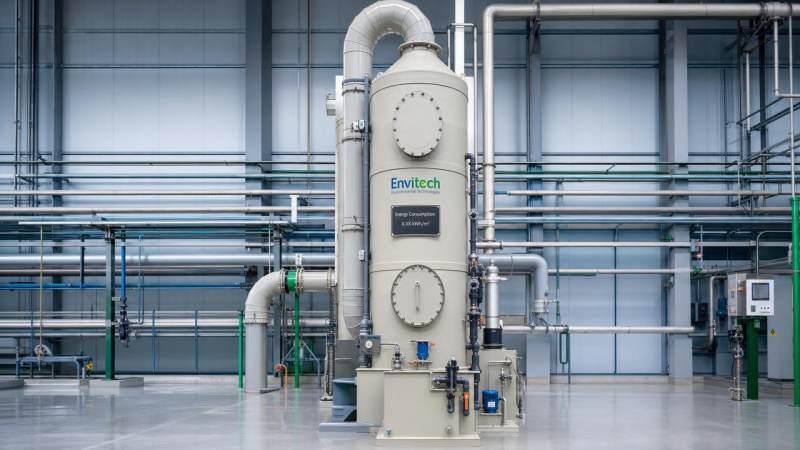
Starting in May 2026, the Ministry of Industry and Information Technology (MIIT) has initiated its annual industrial energy conservation inspection nationwide, with a specific focus on compliance with energy efficiency labeling requirements for wet scrubbers. This development directly affects manufacturers and exporters of air pollution control equipment—particularly those supplying markets such as the EU and South Korea, where mandatory energy labeling regimes are in force.
Event Overview
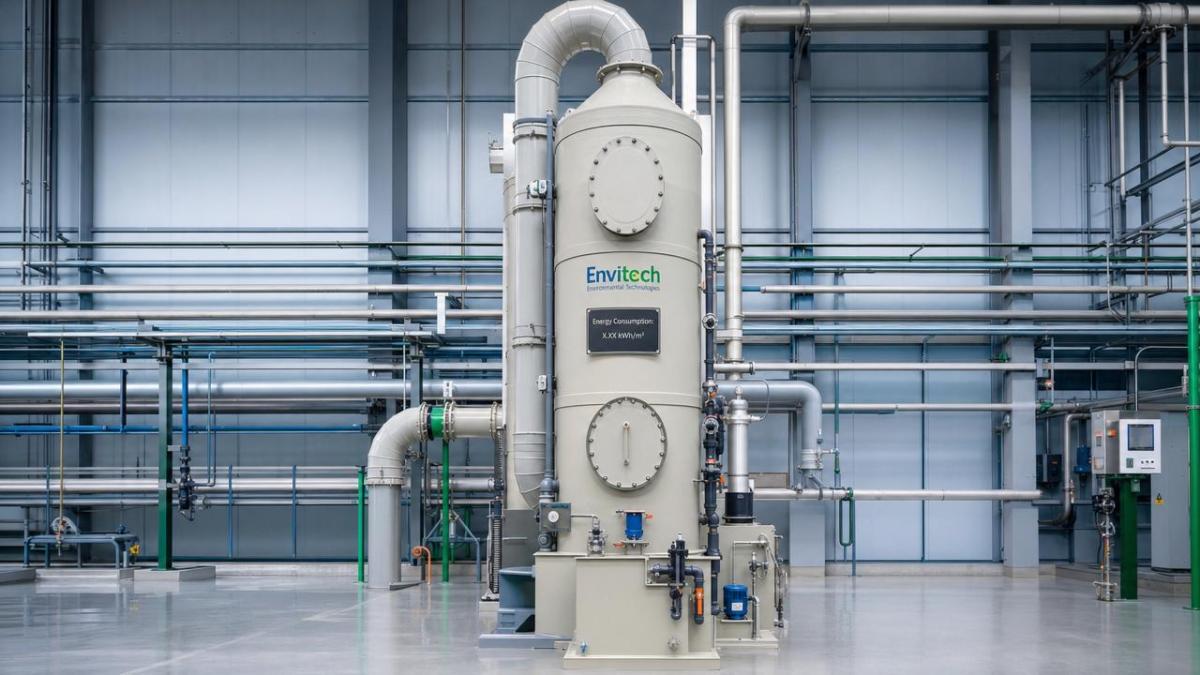
On May 15, 2026, MIIT officially launched the 2026 national industrial energy conservation inspection campaign. A key enforcement priority is verifying whether manufacturers of wet scrubbers comply with updated energy efficiency labeling rules. Under the new requirements, product nameplates must clearly state ‘energy consumption per unit volume under rated operating conditions (kWh/m³)’, and manufacturers must submit test reports certified by CNAS-accredited laboratories.
Industries Affected
Wet Scrubber Manufacturing Enterprises
These enterprises are directly subject to the labeling verification. Non-compliance may result in regulatory penalties, production suspension, or exclusion from government-supported procurement programs. The requirement for CNAS-certified testing adds lead time and cost to product certification cycles.
Export-Oriented Equipment Suppliers
Suppliers targeting the EU (under Ecodesign Regulation), South Korea (under MEPS), and other jurisdictions with binding energy labeling mandates face higher technical entry barriers. The MIIT inspection effectively pre-validates domestic conformity—making early alignment with export-market labeling criteria more urgent.
Industrial End-Users Procuring Air Pollution Control Systems
While not directly regulated, end-users—including steel, chemical, and power generation facilities—may experience extended procurement timelines or revised tender specifications, as OEMs adjust to stricter labeling documentation and third-party verification processes.
What Relevant Enterprises or Practitioners Should Focus On and How to Respond
Monitor official implementation guidance and enforcement scope
MIIT’s inspection notice does not yet specify sampling methodology, coverage thresholds (e.g., minimum production volume), or grace periods. Enterprises should track subsequent announcements from provincial MIIT branches and the China National Institute of Standardization (CNIS) for operational details.
Prioritize verification for models destined for regulated export markets
Given the linkage between domestic labeling compliance and EU/Korea market access, manufacturers should prioritize CNAS testing and label updates for wet scrubber variants already certified—or planned for certification—under EU EPREL or Korean KEA schemes.
Distinguish policy signal from immediate operational impact
The May 2026 launch marks the beginning of inspections—not a blanket enforcement deadline. Enterprises should treat this as a phased readiness signal: current non-compliance does not automatically trigger sanctions, but documented gaps during inspection may affect eligibility for green manufacturing incentives or export support programs.
Update internal technical documentation and supplier communication protocols
Manufacturers should revise internal design control procedures to embed kWh/m³ calculation methods and CNAS-aligned test planning at the R&D stage. Downstream integrators and system suppliers should also update procurement checklists to require verified energy consumption data from wet scrubber component vendors.
Editorial Perspective / Industry Observation
Observably, this initiative functions primarily as a regulatory alignment mechanism—not an isolated energy standard revision. It reflects a broader trend where domestic industrial supervision increasingly mirrors international environmental trade requirements, particularly in climate-sensitive equipment categories. Analysis shows that the emphasis on CNAS-backed verification suggests MIIT is strengthening traceability and evidentiary rigor, rather than introducing novel performance thresholds. From an industry perspective, this is less a sudden compliance shock and more a formalized step toward harmonizing domestic manufacturing discipline with global sustainability expectations. Continuous monitoring is warranted—not because the rule changes frequently, but because its enforcement patterns will likely inform upcoming revisions to GB standards for industrial air cleaning systems.
Conclusion: This inspection cycle signals a tightening of documentation and verification discipline for wet scrubber manufacturers, especially those engaged in cross-border trade. It does not introduce new energy efficiency limits, but raises the bar for evidence-based labeling compliance. Currently, it is best understood as a procedural reinforcement aligned with international market gateways—not a standalone technical regulation shift.
Source: Ministry of Industry and Information Technology (MIIT) official notice dated May 15, 2026. Note: Specific provincial implementation guidelines and inspection sampling criteria remain pending and are subject to ongoing observation.
Recommended News
 Sep 20, 2026How to Select a Gas Scrubbing System for Corrosive Industrial Exhaust StreamsGas scrubbing systems for exhaust: learn how to match corrosive stream chemistry, scrubber design, materials, controls, and compliance needs for reliable performance.
 Sep 16, 2026Selecting Corrosion-Resistant Zero-Emission Gas Treatment for Acidic Exhaust StreamsCorrosion resistant zero-emission gas treatment: discover how to match materials, scrubber design, waste control, and uptime needs for acidic exhaust streams.
 Sep 11, 2026Selecting Industrial Air Scrubbers for European Plants: Airflow, Filters, and ComplianceIndustrial air scrubbers Europe: learn how to match airflow, filtration, gas chemistry, ATEX considerations, and compliance needs for reliable, efficient plant emissions control.
 Sep 03, 2026Industrial Gas Scrubbing Pricing: Cost Drivers for Compliance ProjectsIndustrial gas scrubbing pricing explained: compare compliance cost drivers, installation scope, operating expenses, and supplier quotes for smarter investments.
 Aug 27, 2026How to Size Industrial Gas Scrubbing Units for Acid Fumes and Variable AirflowsIndustrial gas scrubbing units: learn how to size acid-fume scrubbers for variable airflows, peak loads, chemical demand, pressure drop, and reliable compliance.
 Aug 07, 2026How to Choose an Industrial Gas Purification System for Corrosive Emissions?Industrial gas purification system selection starts with chemistry, corrosion resistance, compliance, and lifecycle cost. Learn how to compare solutions for corrosive emissions with confidence.
 Aug 02, 2026How to Select FRP Industrial Gas Scrubbers for Corrosive Exhaust Streams?FRP industrial gas scrubbers selection guide for corrosive exhaust streams: compare resin, scrubber type, pressure drop, and controls to improve compliance, durability, and ROI.
 Jul 28, 2026How to Evaluate a Gas Scrubbing Systems Supplier for Compliance and Long-Term Cost?Gas scrubbing systems supplier selection affects compliance, uptime, and lifetime cost. Learn how to compare process fit, materials, maintenance, and real operating risk before you buy.
 Jul 26, 2026EPA Rule Takes Effect for Imported Wet ScrubbersEPA rule for imported wet scrubbers now ties U.S. market access to 95% VOCs removal and MQTT emissions uploads. Learn the compliance risks, CBP impact, and key actions exporters should take.
 Jul 09, 2026Industrial Exhaust Treatment Cost Breakdown: CAPEX, OPEX, and Key Price DriversIndustrial exhaust treatment cost explained: compare CAPEX, OPEX, and key price drivers to budget smarter, avoid hidden expenses, and choose the right compliant system.
 Jul 08, 2026China Adds Wet Scrubbers to Export ChecksChina adds wet scrubbers to export checks, bringing stricter inspection, test report requirements, and 5–7 extra clearance days. Learn how exporters and buyers can avoid delays.
 Jul 06, 2026EU Tightens Wet Scrubber VOC Rules for 2026EU Tightens Wet Scrubber VOC Rules for 2026: Learn how new EU compliance, CE marking, dynamic load testing, and real-time VOC reporting will impact exporters and buyers.
 Jun 30, 2026REACH Nickel Limits Tighten for Scrubber PartsREACH nickel limits tighten for scrubber parts from 2027. Learn the new 0.05 mg/cm²/week rule, affected RTO/RCO and wet scrubber components, and how exporters can avoid EU customs risk.
 Jun 28, 2026PP Gas Scrubbers vs FRP Scrubbers: Which Is Better for Corrosive Exhaust Applications?PP gas scrubbers vs FRP scrubbers: compare corrosion resistance, temperature limits, maintenance, and lifecycle cost to choose the best solution for corrosive exhaust applications.
 Jun 26, 2026Wet Scrubber Systems vs RTO: Which VOC Control Option Fits Your Process?Wet scrubber systems or RTO? Compare VOC control by moisture, acid gas, energy use, and lifecycle cost to find the right fit for your process.
 Jun 26, 2026ENTECH Vietnam 2026 Opens as Wet Scrubbers Gain BuyersENTECH Vietnam 2026 highlights rising wet scrubbers demand, with 270+ qualified buyer inquiries focused on exhaust gas treatment. See why Vietnam buyers now prioritize control accuracy, corrosion resistance, and fast local service.
 Jun 25, 2026ENTECH Vietnam 2026 Opens as Wet Scrubbers Gain TractionWet scrubbers gain momentum at ENTECH Vietnam 2026 as EPC contractors in Bac Ninh and Hai Phong show sample-testing interest. Explore why fast delivery and local spare-parts support matter.
 Jun 23, 2026EPA Draft Tightens VOCs Margin Proof for ImportsEPA draft tightens VOCs margin proof for imports of Wet Scrubbers and RTO/RCO systems. See how Q2 2027 rules may impact compliance costs, delivery timelines, and export readiness.
 Jun 22, 2026Qingdao Water Conference 2026 Highlights Coastal治理 TechnologiesQingdao Water Conference 2026 highlights coastal governance technologies, from corrosion-resistant Wet Scrubbers to IP68 and ISO 8501-1 Sa2.5-ready solutions—see what buyers and suppliers should watch.
 Jun 21, 2026Industrial Gas Scrubbing for Acid Fumes: Wet Scrubber Selection and Common MistakesIndustrial gas scrubbing for acid fumes: learn how to choose the right wet scrubber, avoid common design mistakes, and improve corrosion control, compliance, and long-term uptime.
 Jun 21, 2026EPA Tightens Wet Scrubber Import RequirementsWet Scrubber import rules are changing fast. Learn how the EPA’s 2026 compliance notice affects banned neutralizers, testing documents, export readiness, and U.S. market access before the Sept. 1 deadline.
 Jun 20, 2026EPA Tightens Import Rules for Wet ScrubbersEPA Tightens Import Rules for Wet Scrubbers: learn how the 2026 EPA update affects VOC control imports, chemical documentation, customs risk, and on-time delivery.
 Jun 19, 2026EPA Tightens Import Rules for Wet ScrubbersEPA tightens import rules for wet scrubbers: from Sept. 1, 2026, U.S. entries need a manufacturer-signed compliance declaration. Learn the risks, deadlines, and steps importers must take now.
 Jun 18, 2026EPA import rule tightens for wet scrubbersEPA import rule tightens for wet scrubbers entering the U.S. from Sept. 1, 2026. Learn key declaration requirements, CBP entry risks, and what importers and manufacturers must prepare now.