Search News
Industry Portal
Hot Articles
- ISO 14644 Certification Process: From Cleanroom Testing to Compliance ApprovalISO 14644 certification process explained: prepare your cleanroom, complete particle testing, address failures, and achieve compliance approval with confidence.
- How Factories Can Select Air Quality Controls for Dust, Fumes, and VOCsIndustrial air quality control for factories: learn how to select effective solutions for dust, fumes, and VOCs while improving safety, compliance, energy efficiency, and uptime.
- How to Size Industrial Gas Scrubbing Units for Acid Fumes and Variable AirflowsIndustrial gas scrubbing units: learn how to size acid-fume scrubbers for variable airflows, peak loads, chemical demand, pressure drop, and reliable compliance.
Popular Tags
Where energy recovery technology cuts HVAC costs
author
Time
Click Count
Where energy recovery technology cuts HVAC costs
HVAC efficiency is no longer only an engineering concern. It is a measurable operating-cost and asset-performance decision.
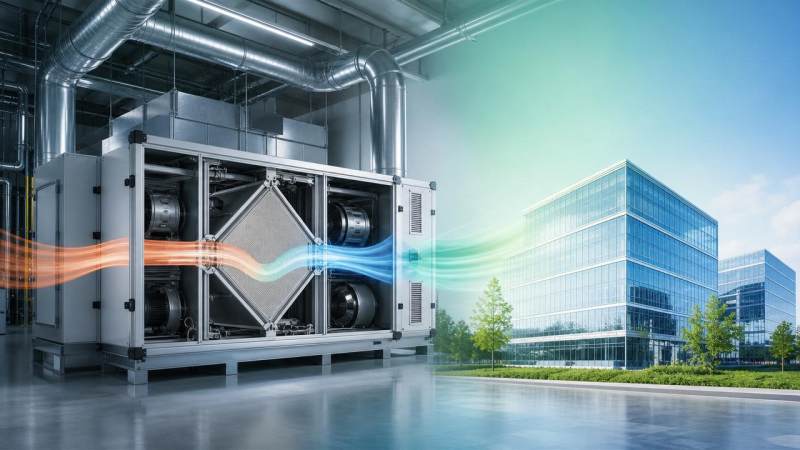
Energy recovery technology lowers heating and cooling demand by capturing useful thermal value from exhaust air before it leaves a building.
In offices, laboratories, cleanrooms, hospitals, and industrial facilities, ventilation can become a controlled lifecycle savings lever.
The strongest results appear where outdoor air volumes are high, climate loads are severe, and indoor air quality cannot be compromised.
Core definition and HVAC cost mechanism
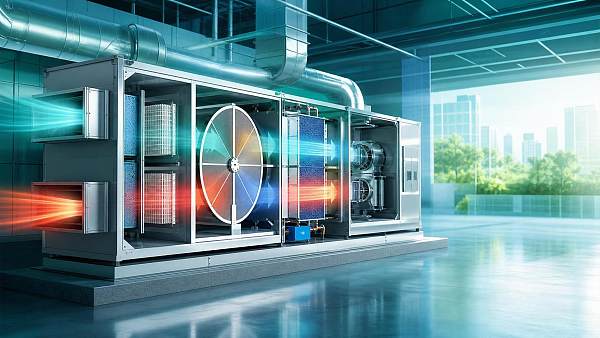
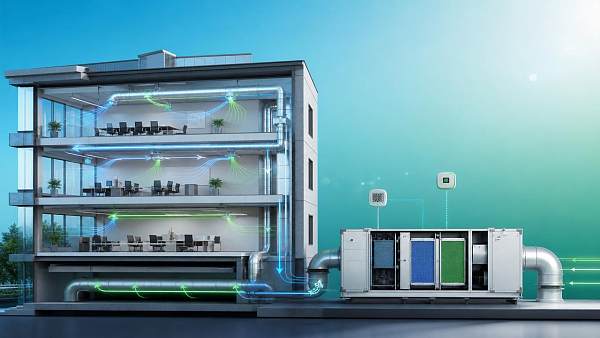
Energy recovery technology transfers heat, cooling, or moisture between outgoing exhaust air and incoming fresh air.
The goal is simple: reduce the temperature and humidity difference that HVAC equipment must overcome.
When supply air enters closer to indoor conditions, chillers, boilers, heat pumps, and coils work less intensely.
This directly cuts electricity, gas consumption, peak demand charges, and sometimes equipment oversizing.
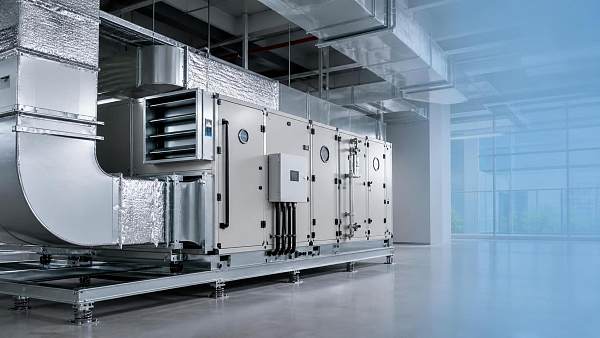
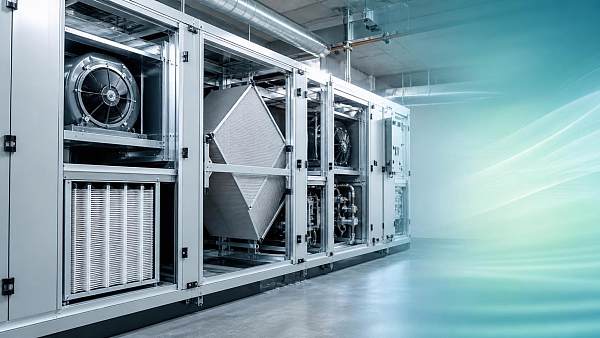
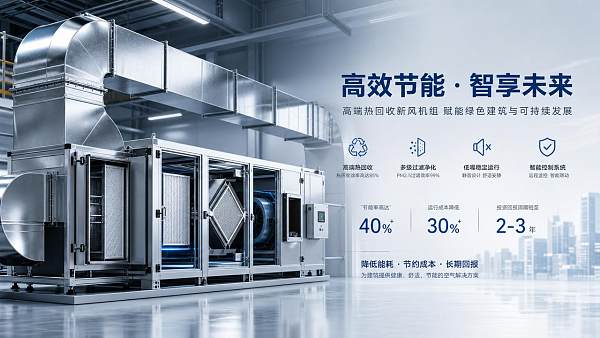
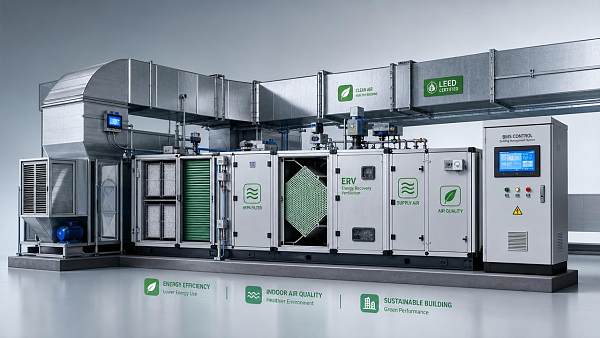
Common systems include plate heat exchangers, rotary wheels, run-around coils, heat pipes, and membrane-based ERV cores.
Each approach suits different airflow separation, contamination risk, humidity control, and maintenance conditions.
Energy recovery technology is most valuable when ventilation is required continuously or during long operating schedules.
Sensible and latent recovery
Sensible recovery transfers heat related to air temperature. It reduces heating loads in winter and cooling loads in summer.
Latent recovery transfers moisture energy. It reduces humidification, dehumidification, and cooling coil burden.
Membrane ERV cores are often selected when both temperature and humidity recovery support comfort and efficiency.
Industry background and current efficiency signals
Higher ventilation standards, decarbonization targets, and energy-price volatility have changed how HVAC projects are evaluated.
Fresh air remains essential, but untreated outdoor air can become one of the largest hidden HVAC loads.
Energy recovery technology responds to this conflict by preserving ventilation while reducing avoidable thermal waste.
In high-performance buildings, the question is not whether ventilation is needed. The question is how much energy it wastes.
This is why energy recovery technology increasingly appears in compliance pathways, green certifications, and lifecycle cost models.
Business value across HVAC lifecycle costs
Energy recovery technology affects more than monthly utility bills. It influences capital sizing, resilience, compliance, and asset value.
Reduced load may allow smaller coils, lower plant capacity, or delayed upgrades in constrained mechanical rooms.
For existing buildings, retrofits can improve performance without replacing the entire air-conditioning infrastructure.
For new projects, early integration usually produces cleaner duct layouts and better payback assumptions.
- Lower heating energy during cold seasons through exhaust heat capture.
- Lower cooling energy during hot seasons through precooling of incoming air.
- Reduced dehumidification load where latent recovery is appropriate.
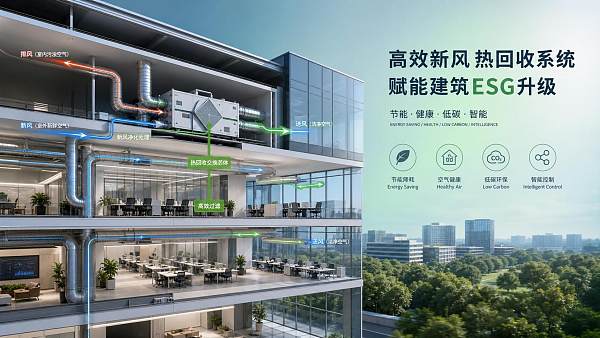
- Improved energy intensity metrics for ESG and building certifications.
- Better ventilation economics without sacrificing indoor air quality.
Energy recovery technology also improves budget predictability because savings rise when weather conditions become more extreme.
This makes it especially relevant in regions with hot humid summers, cold winters, or large day-night temperature swings.
Typical facility scenarios and selection logic
Different buildings require different recovery strategies. Air cleanliness, cross-contamination risk, and humidity targets guide selection.
Energy recovery technology must fit the process, not only the energy model.
Commercial buildings
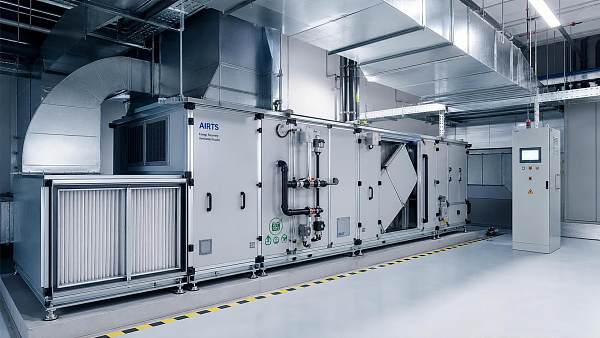
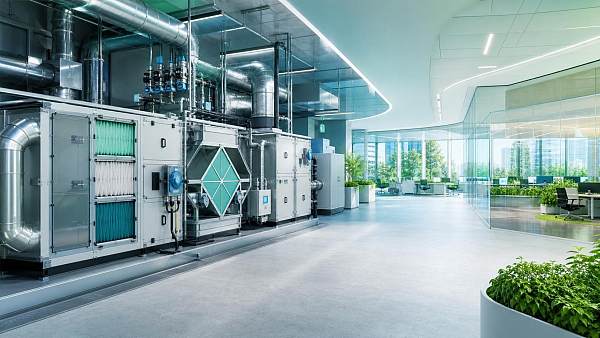
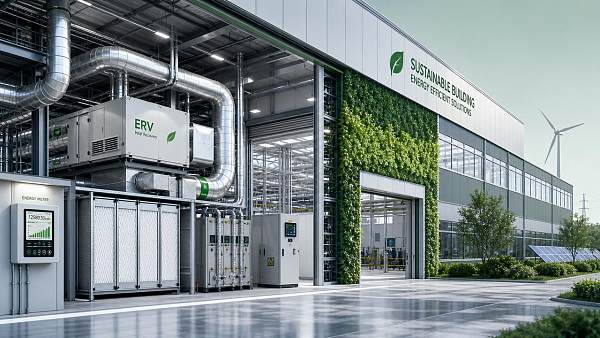
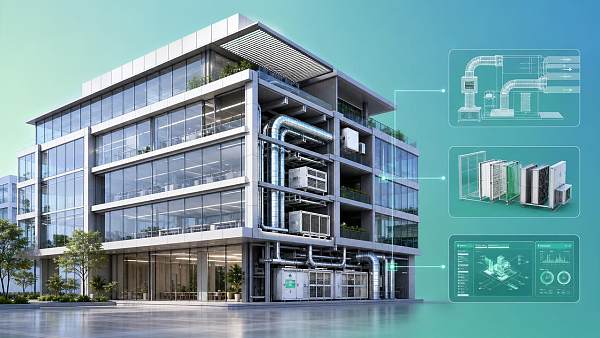
Commercial energy recovery ventilators are widely used where occupancy cycles require steady fresh air.
Energy recovery technology reduces central HVAC load while supporting comfort, carbon targets, and certification strategies.
Cleanrooms and precision environments
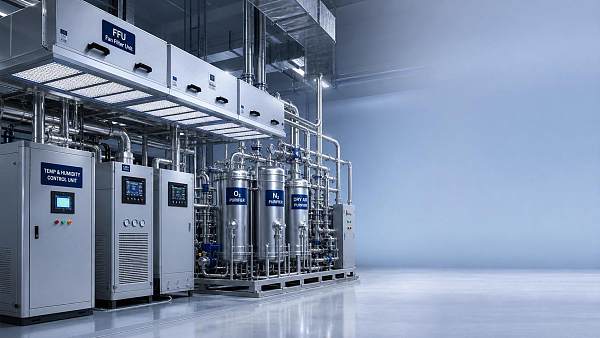
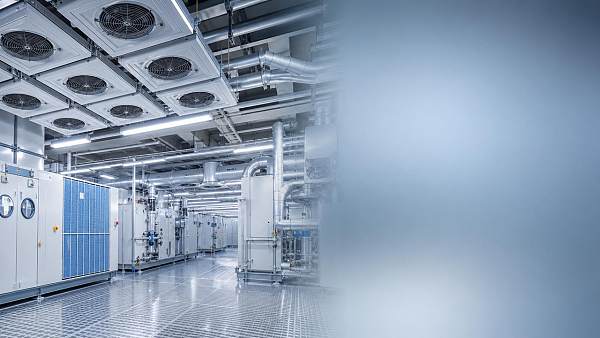
Cleanrooms require careful analysis because particle control, pressure cascades, and chemical compatibility matter.
When properly designed, energy recovery technology can reduce make-up air penalties without undermining ISO 14644 compliance goals.
Industrial ventilation
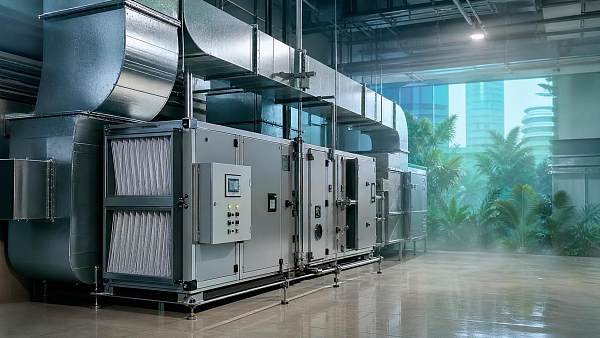
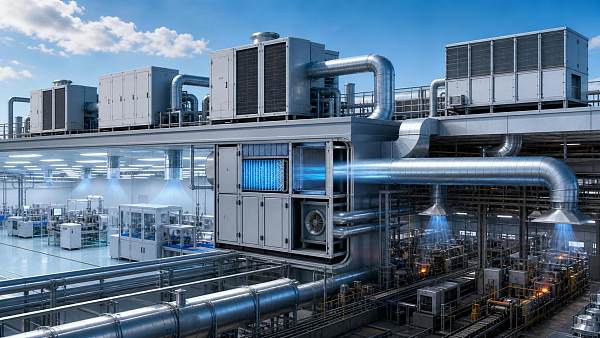
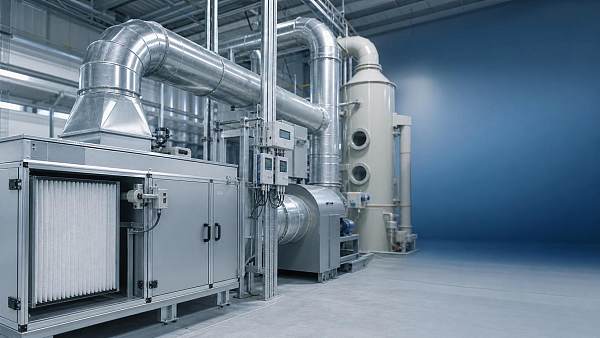
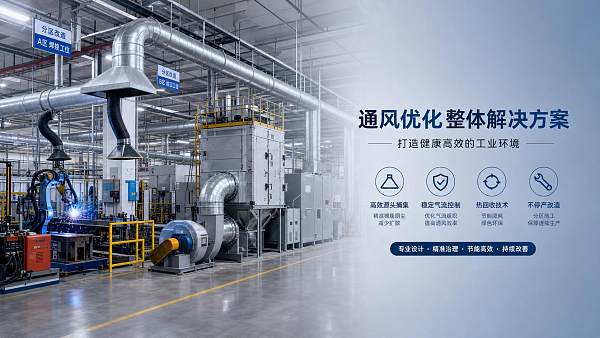
Industrial workshops often exhaust large air volumes to remove fumes, heat, dust, or volatile compounds.
Energy recovery technology can reclaim heat from safe exhaust streams and reduce make-up air conditioning costs.
Engineering factors that determine real savings
Projected savings depend on climate, operating hours, airflow, effectiveness, fan power, maintenance, and control quality.
A high-efficiency exchanger can disappoint if pressure drop increases fan energy too much.
Energy recovery technology should therefore be evaluated through net energy impact, not headline recovery efficiency alone.
- Check sensible and latent effectiveness under realistic seasonal conditions.
- Model pressure drop and additional fan power before final selection.
- Confirm leakage limits where exhaust contamination is a concern.
- Assess frost control strategies in cold climates.
- Plan filter access, cleaning intervals, and condensate management.
- Integrate bypass dampers for shoulder seasons and economizer operation.
Control logic is especially important. Recovery should operate when beneficial and bypass when outdoor air is favorable.
Poor sequencing can convert a strong design into a weak operational result.
Cost evaluation and payback boundaries
A sound financial model compares installed cost against annual energy savings, demand reduction, maintenance, and avoided capacity.
Energy recovery technology often shows stronger payback where facilities operate long hours or require high outdoor air fractions.
Simple payback is useful, but lifecycle cost gives a better view of strategic value.
This is because energy prices, carbon costs, and compliance requirements can change across the equipment life.
Energy recovery technology should not be judged only by first cost.
The strongest projects connect HVAC savings with comfort, reliability, compliance, and long-term building valuation.
Practical implementation recommendations
Begin with a ventilation and exhaust inventory. Identify airflow volumes, schedules, temperatures, humidity, and contamination categories.
Then match recovery methods to the safety and performance requirements of each air stream.
Energy recovery technology works best when applied selectively, not uniformly across every exhaust point.
- Prioritize systems with high airflow and long annual operating hours.
- Separate hazardous or corrosive exhaust from general recovery opportunities.
- Model annual performance across heating, cooling, and shoulder seasons.
- Validate pressure drop, access clearance, and control integration.
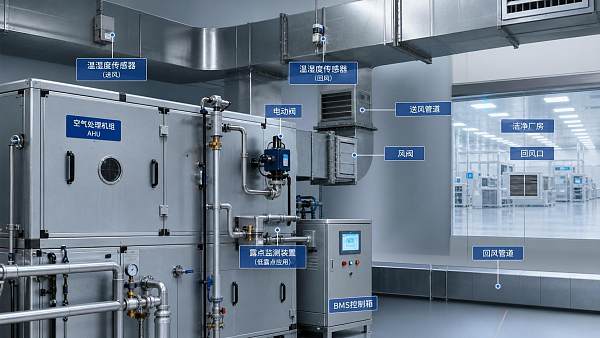
- Commission sensors, dampers, wheel speed, bypass modes, and alarms.
- Track measured savings after installation and adjust setpoints.
Retrofits require extra attention to roof loads, duct routing, plant capacity, and occupied-space disruption.
New construction allows stronger integration because recovery can shape the entire airside and waterside design.
Compliance, clean air, and decarbonization alignment
Energy recovery technology aligns well with modern requirements for healthier, cleaner, and lower-carbon built environments.
It supports ventilation without treating outdoor air as disposable energy waste.
In precision manufacturing, decisions must also respect filtration, humidity limits, pressure control, and process contamination rules.
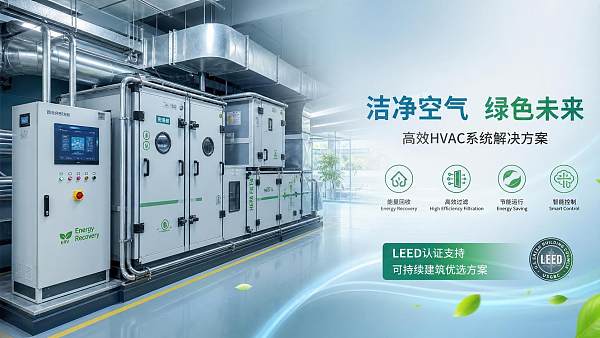
In commercial buildings, energy recovery technology can strengthen LEED, operational carbon, and energy-use intensity outcomes.
In industrial facilities, it can reduce make-up air penalties while maintaining worker safety and emission-control boundaries.
Action path for better HVAC economics
The next step is a structured feasibility review based on actual airflow, climate, schedules, and utility tariffs.
A useful review should compare baseline HVAC energy against several recovery options under realistic operating conditions.
Energy recovery technology delivers the best results when design, controls, commissioning, and maintenance are evaluated together.
CECS intelligence focuses on this connection between micro-filtration, thermodynamic conversion, and practical environmental-control economics.
For buildings with high ventilation loads, start by mapping exhaust value before expanding HVAC capacity.
That single step can reveal where energy recovery technology turns recurring HVAC cost into durable operational advantage.
Recommended News
 Aug 17, 2026How to Evaluate a Commercial ERV Systems Supplier for Large Building ProjectsCommercial ERV systems supplier selection for large projects goes beyond price. Learn how to compare performance, compliance, controls, delivery, and lifecycle cost to reduce risk.
 Aug 15, 2026What Makes an HVAC System Energy-Efficient for European Buildings?Energy efficient HVAC Europe solutions help European buildings cut costs, boost comfort, and meet carbon targets. Discover the design factors that truly improve performance.
 Jul 31, 2026How to Evaluate a Green Building Ventilation Supplier for Energy and IAQ GoalsGreen building ventilation supplier selection starts with performance, not brochures. Learn how to compare energy, IAQ, controls, compliance, and lifecycle cost before you buy.
 Jul 22, 2026How to Evaluate Commercial Ventilation Systems in Southeast Asia for Climate and ComplianceCommercial ventilation systems Southeast Asia: learn how to assess climate fit, code compliance, IAQ, corrosion resistance, and lifecycle cost to choose reliable, high-performance solutions.
 Jul 14, 2026BMS Temperature and Humidity Control Systems: Key Control Logic and Sensor Points ExplainedBMS temperature and humidity control systems explained: learn key control logic, critical sensor placement, and practical ways to improve stability, energy efficiency, and process reliability.
 Jul 13, 2026LEED Certification Indoor Air Quality: What HVAC Strategies Earn More Credits?LEED certification indoor air quality starts with smarter HVAC design. Learn which strategies—DOAS, filtration, humidity control, ERV, and commissioning—can help earn more credits.
 Jul 08, 2026Energy Efficient HVAC for Industrial Buildings: Which Metrics Matter Most?Energy efficient HVAC for industrial buildings starts with the right metrics. Learn which KPIs cut energy costs, protect operations, and improve long-term ROI.
![]() Jul 07, 2026Industrial Environmental Control Systems: What Drives Total Cost of Ownership?Industrial environmental control systems cost more than the purchase price. Discover how energy, maintenance, filtration, and compliance shape total ownership costs.
Jul 07, 2026Industrial Environmental Control Systems: What Drives Total Cost of Ownership?Industrial environmental control systems cost more than the purchase price. Discover how energy, maintenance, filtration, and compliance shape total ownership costs. Jul 04, 2026Environmental Control System Design for Manufacturing: What Parameters Matter Most?Environmental control system design for manufacturing: discover the key parameters that drive yield, safety, compliance, and energy efficiency—plus how to avoid costly design mistakes.
 Jul 03, 2026What Counts as High-Tech Environmental Control Equipment in Modern Facilities?High-tech environmental control equipment keeps modern facilities clean, stable, compliant, and energy-efficient. Learn what qualifies, why it matters, and how it drives safer, smarter performance.
 Jun 26, 2026LEED Certification Cost Breakdown for HVAC and Clean Air Upgrades in New ProjectsLEED certification cost explained for new projects: compare HVAC and clean air upgrade costs, payback, risks, and smart budgeting strategies to improve building value.
 Jun 22, 2026How Energy Recovery Technology Works in Fresh Air Systems and Where It Delivers the Best ROIEnergy recovery technology explained: learn how fresh air systems cut HVAC costs, improve IAQ, and deliver the best ROI in offices, schools, healthcare, and more.
 Jun 21, 2026Is Energy Recovery Technology Worth the Investment in ESG Building Upgrades?Energy recovery technology can turn ESG building upgrades into measurable ROI. Explore savings, IAQ benefits, payback timelines, and smarter HVAC retrofit decisions.
 Jun 20, 2026How to Improve Industrial Ventilation Efficiency Without Disrupting ProductionIndustrial ventilation efficiency starts with smarter, phased upgrades. Learn how to improve airflow, capture contaminants, cut energy waste, and protect production continuity.
 Jun 17, 2026Green Building Ventilation: How to Balance IAQ, Energy Use, and ESG GoalsGreen building ventilation is key to balancing IAQ, energy efficiency, and ESG goals. Learn practical strategies to cut HVAC waste, improve occupant wellness, and strengthen building performance.
 Jun 15, 2026LEED Certification for Industrial Facilities: Costs, Credits, and Payback FactorsLEED certification for industrial facilities explained: compare costs, high-payback credits, and ROI factors to cut energy use, reduce risk, and justify smarter capital upgrades.
 Jun 14, 2026Green Building Ventilation Standards: What to Check for Energy and IAQ ComplianceGreen building ventilation standards affect energy use, IAQ, and compliance. Learn the key checks for codes, ERV performance, filtration, controls, and commissioning.
 Jun 14, 2026Cleanroom Energy Management: Where Power Use Rises and How to Cut It SafelyCleanroom energy management starts with finding the biggest power loads. Learn safe, proven ways to cut FFU, cooling, humidity, and exhaust energy without risking compliance or yield.
 Jun 13, 2026LEED Certification Consultant: What Services Matter Most for New Building Projects?LEED certification consultant services can make or break new building projects. Learn which services matter most for cost, compliance, HVAC strategy, and long-term building performance.
 Jun 13, 2026China Rule Effective July 1 Backs Overseas Service for Eco EquipmentChina rule effective July 1 supports overseas service for eco equipment, highlighting localized after-sales, tax deductions, and key markets like Germany, Vietnam, and Mexico.
![]() Jun 09, 2026LEED Certification for Industrial Facilities: What Impacts Cost and Approval Time?LEED certification for industrial facilities: discover what drives cost and approval time, from HVAC and cleanroom systems to documentation and commissioning, so you can reduce risk and speed decisions.
Jun 09, 2026LEED Certification for Industrial Facilities: What Impacts Cost and Approval Time?LEED certification for industrial facilities: discover what drives cost and approval time, from HVAC and cleanroom systems to documentation and commissioning, so you can reduce risk and speed decisions. Jun 08, 2026Energy Efficient Ventilation: What Drives Operating Cost and Payback in New ProjectsEnergy efficient ventilation impacts operating cost, HVAC load, and payback. Learn the key cost drivers, common modeling mistakes, and how to compare options for smarter project approval.
 Jun 07, 2026What Is LEED Certification and How Does It Affect HVAC Design Choices?LEED certification shapes HVAC design far beyond green branding. Discover how ventilation, energy recovery, filtration, humidity control, and smart commissioning drive building performance.
![]() Jun 04, 2026High-Tech HVAC Systems: What Buyers Should Compare Beyond Energy EfficiencyHigh-tech HVAC systems: compare more than energy efficiency. Learn how air quality, humidity control, compliance, and lifecycle cost impact smarter buying decisions.
Jun 04, 2026High-Tech HVAC Systems: What Buyers Should Compare Beyond Energy EfficiencyHigh-tech HVAC systems: compare more than energy efficiency. Learn how air quality, humidity control, compliance, and lifecycle cost impact smarter buying decisions.