Search News
Industry Portal
Hot Articles
- When Does Cyclone Separation for Dust Collection Reduce Baghouse Filter Loading?Cyclone separation for dust collection can reduce baghouse filter loading by removing coarse, abrasive dust. Discover key sizing, flow, and discharge factors.
- What Determines Low Dew Point Dehumidification System Price for Dry Rooms?Low dew point dehumidification systems price depends on dew point targets, moisture loads, regeneration energy, controls, and installation scope. Compare costs confidently.
- Electronics Cleanroom System Cost: CAPEX, Energy, and Lifecycle Budget FactorsElectronics cleanroom systems cost explained: compare CAPEX, energy use, maintenance, and lifecycle factors to build a smarter, finance-ready budget.
Popular Tags
LEED Certification Trends Shaping New Industrial Buildings
author
Time
Click Count
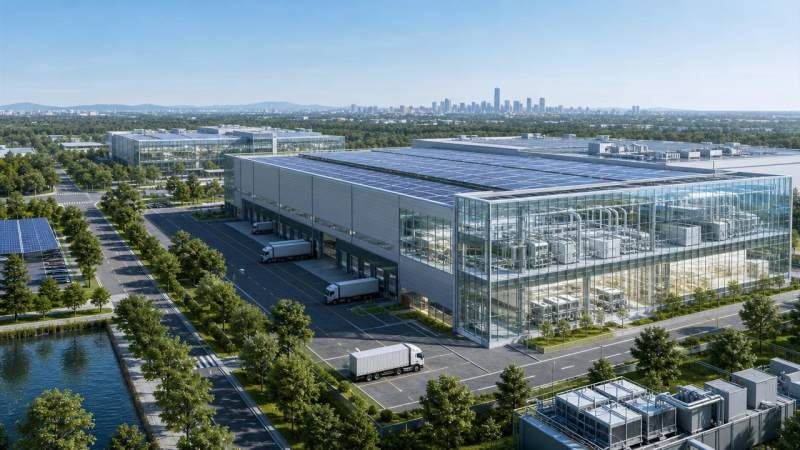
LEED certification is moving from a branding signal to a strategic requirement for new industrial buildings. Across manufacturing and commercial real estate, project teams now connect green design with resilience, energy discipline, compliance confidence, and stronger long-term asset performance.
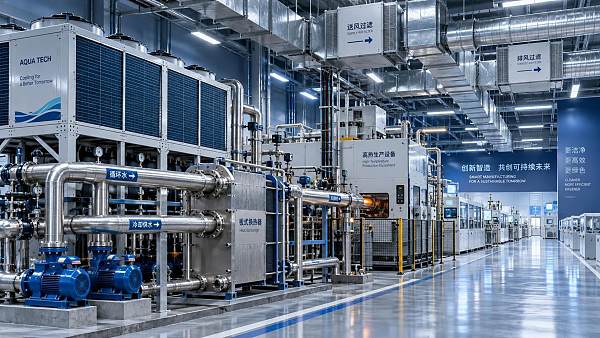
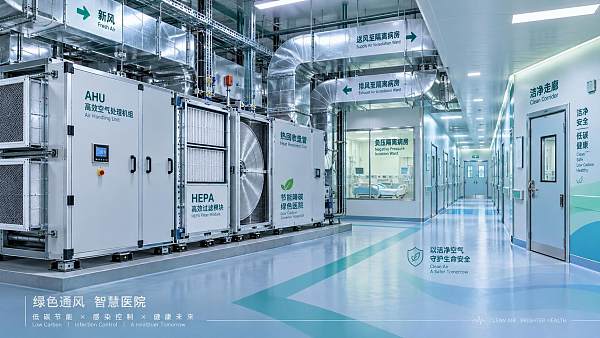
This shift is especially visible in facilities with strict environmental demands. Clean production spaces, advanced logistics hubs, and mixed-use industrial campuses increasingly rely on ventilation, humidity control, filtration, and heat recovery to support both sustainability and operational stability.
LEED certification as a defining framework for new industrial buildings
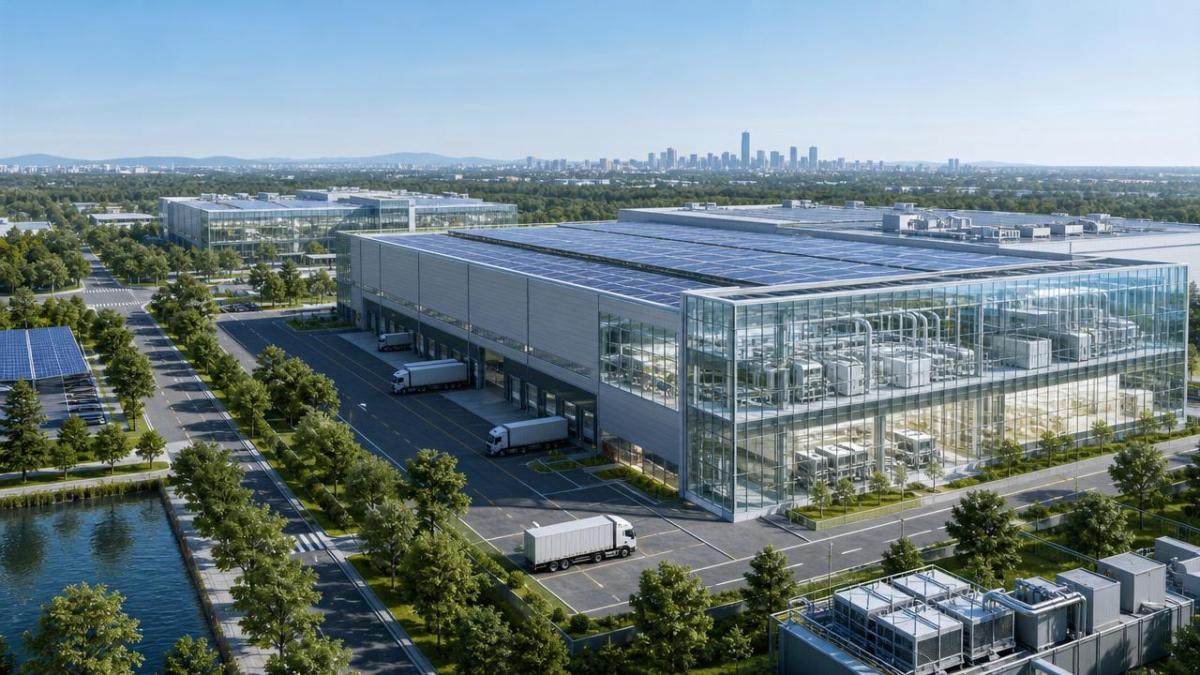
LEED certification is a building rating system focused on measurable sustainability outcomes. It evaluates site strategy, energy use, water performance, materials, indoor environmental quality, and innovation in project execution.
For industrial buildings, LEED certification now influences design decisions much earlier. It is no longer applied only near handover. Teams often shape envelope performance, HVAC selection, and process support systems from concept stage.
The reason is simple. Industrial assets carry long operating hours, large ventilation loads, and strict safety obligations. Small efficiency gains can produce major lifecycle savings when applied across high-volume, energy-intensive facilities.
In many projects, LEED certification also improves communication among investors, engineers, compliance specialists, and occupiers. It provides a common language for evaluating performance beyond first-cost decisions.
Market signals behind current LEED certification trends
Several market forces are reshaping how LEED certification is applied in industrial construction. These signals appear across high-tech manufacturing, energy transition projects, and commercial industrial campuses.
- Higher energy prices are increasing demand for low-load mechanical systems.
- Carbon reporting expectations are pushing verifiable building performance metrics.
- Occupational health standards are elevating indoor air quality requirements.
- Advanced manufacturing needs tighter humidity, particle, and temperature control.
- Capital markets are favoring durable assets with stronger sustainability positioning.
As a result, LEED certification trends now emphasize performance integration. Instead of adding isolated green features, project teams are aligning building systems with process reliability and emissions control.
System choices driving LEED certification performance
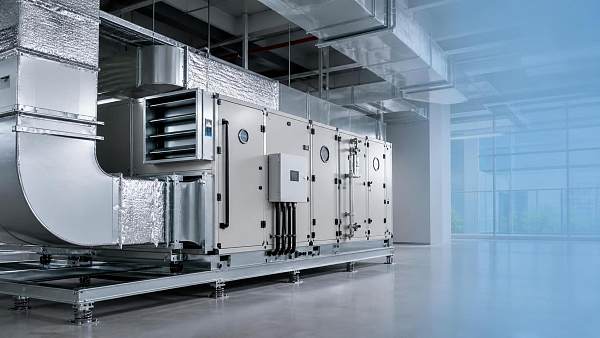
Mechanical and environmental control systems are central to LEED certification outcomes in industrial buildings. This is where energy, air quality, emissions, and process continuity often intersect.
Ventilation and humidity control
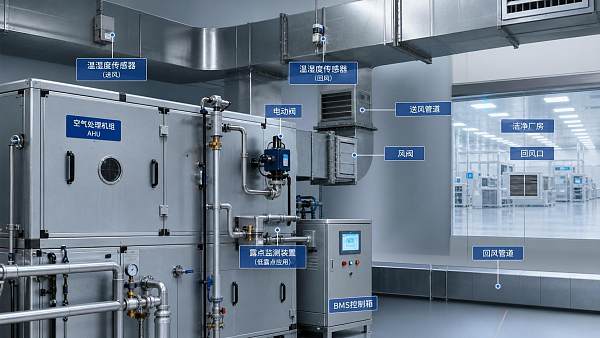
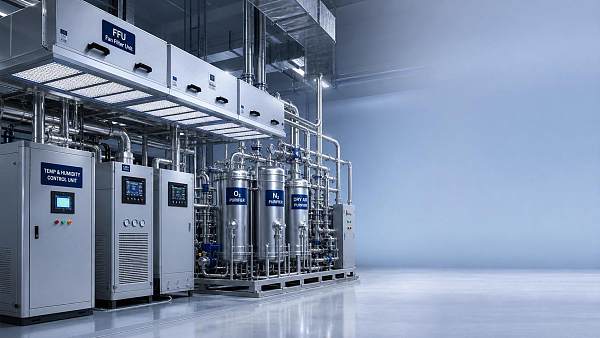
Facilities handling batteries, electronics, coatings, or sensitive materials need precise atmospheric control. Advanced CRAC units and desiccant-based humidity systems can protect production quality while avoiding unnecessary energy waste.
These systems support LEED certification when they are properly sized, monitored, and coordinated with envelope performance. Stable dew point management reduces risk, rework, and hidden operational losses.
Filtration and cleanroom air management
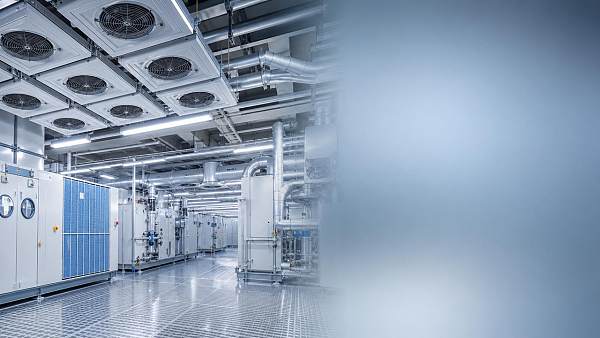
Cleanroom fan filter units help maintain controlled particulate levels in semiconductor and precision assembly environments. Uniform laminar flow improves process consistency and protects high-value output.
In LEED certification planning, filtration strategy should not focus only on purity. It should also consider fan efficiency, pressure drop, service life, and monitoring accuracy across the full operating cycle.
Emissions treatment and safer exhaust management
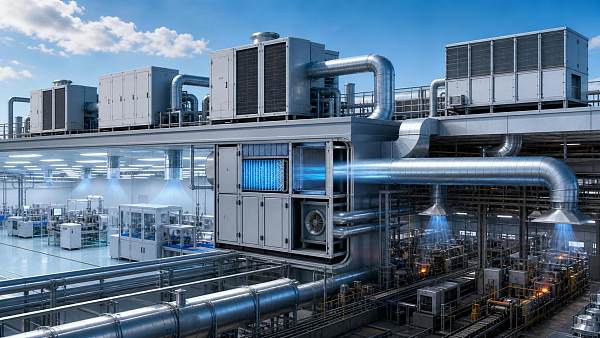
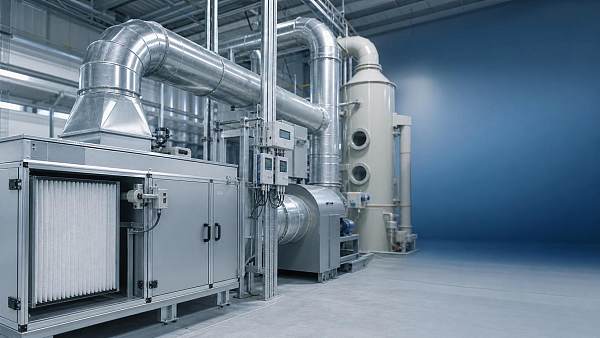
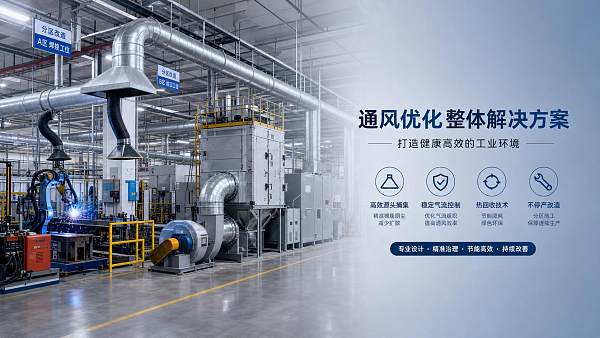
Dust collectors, scrubbers, and gas treatment systems are becoming more important in LEED certification discussions. Industrial sustainability is not only about saving energy. It also depends on safer exhaust treatment and cleaner environmental performance.
Plasma catalysis, cyclone separation, and chemical scrubbing can help facilities address hazardous emissions while supporting broader environmental goals. This approach aligns operational safety with green building credibility.
Heat recovery and efficient fresh air delivery
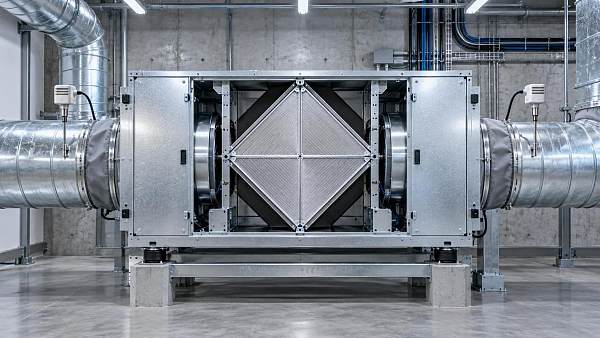
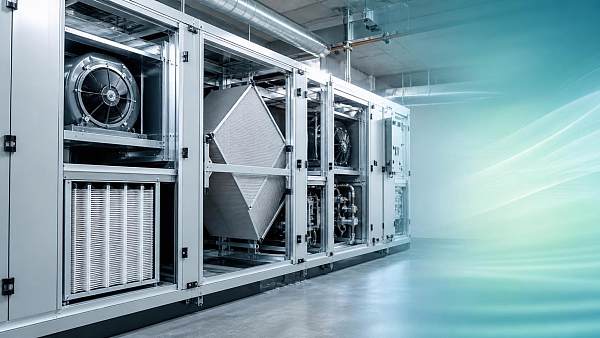
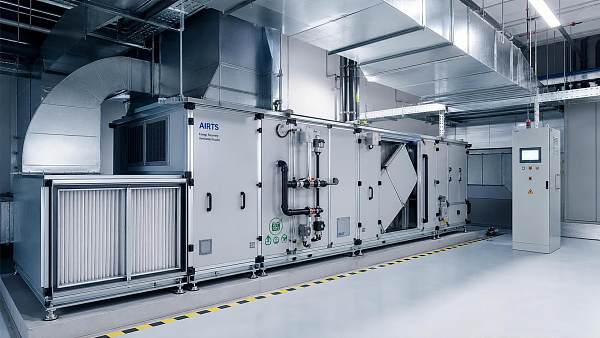
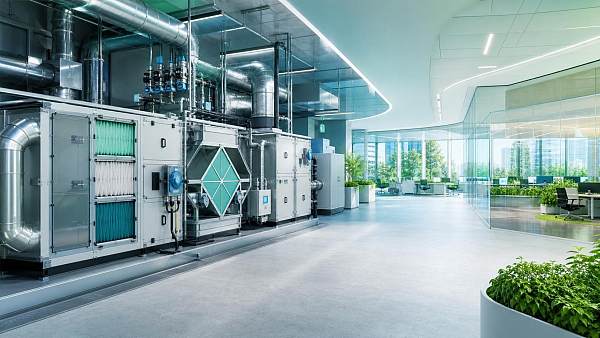
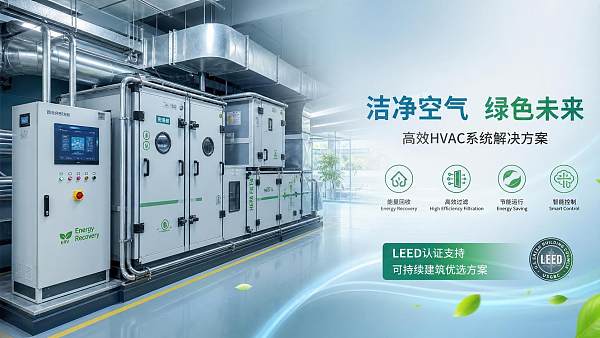
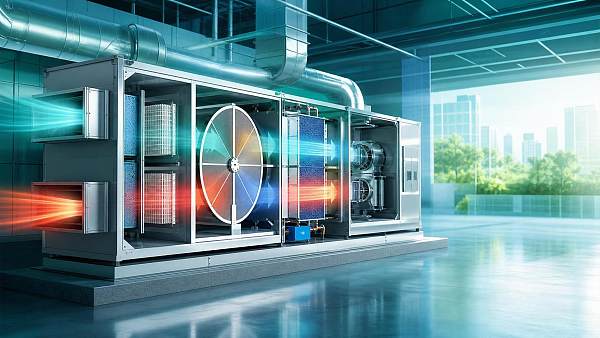
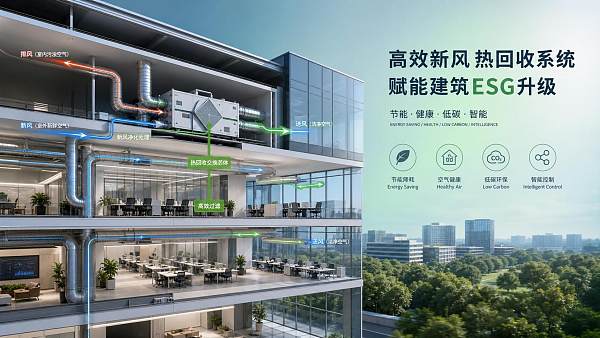
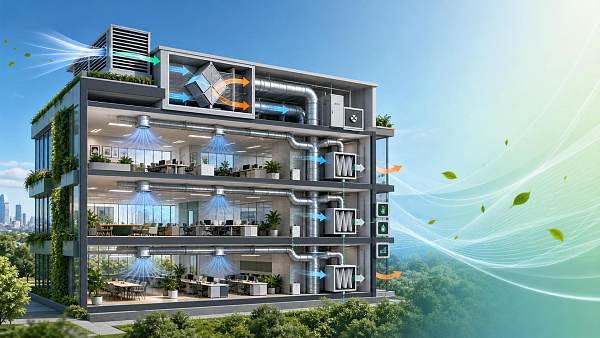
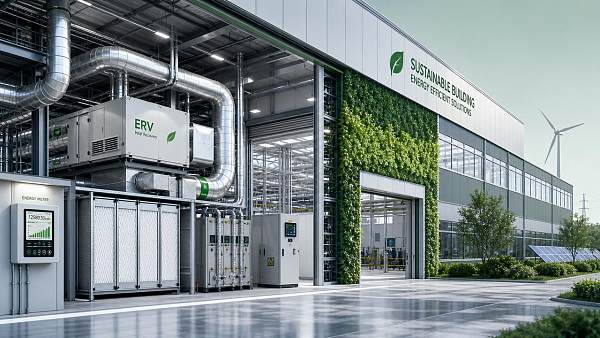
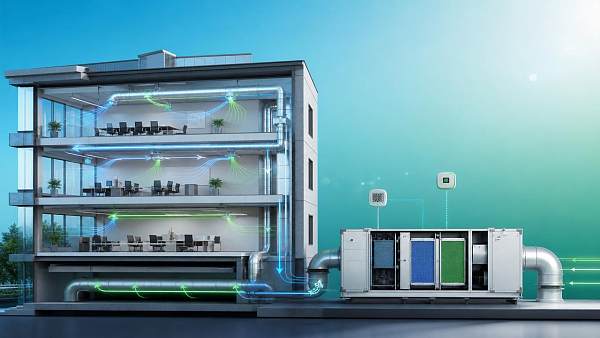
Commercial energy recovery ventilators are now influencing many industrial and hybrid projects. They transfer heat or cooling between exhaust and incoming air, reducing central HVAC demand without sacrificing fresh air rates.
This is where CECS often tracks meaningful performance gains. In some project reviews, system research references solutions such as 无 when comparing heat recovery pathways and lifecycle value.
Business value created by LEED certification
LEED certification delivers value beyond environmental branding. For new industrial buildings, it can improve cost predictability, operational efficiency, tenant confidence, and future adaptability.
- Lower energy use through better heat recovery and system coordination.
- Reduced maintenance pressure from higher-quality equipment planning.
- Stronger indoor environmental quality for safer, steadier operations.
- Improved asset positioning in sustainability-sensitive investment markets.
- More resilient compliance pathways as standards continue to tighten.
For complex facilities, LEED certification also encourages earlier coordination between process engineering and building engineering. That reduces the risk of retrofits caused by conflicting airflow, temperature, or emissions requirements.
This matters in sectors CECS closely observes, including semiconductors, new energy manufacturing, and zero-carbon commercial buildings. In those settings, environmental control is often the hidden factor behind both yield and efficiency.
Representative industrial building scenarios
Different project types use LEED certification in different ways. The table below shows common scenarios and the systems that usually shape performance outcomes.
These examples show why LEED certification should be interpreted through actual building function. Point-chasing rarely works well in industrial settings. Functional integration produces better long-term results.
Practical guidance for planning LEED certification
A successful LEED certification strategy starts with realistic operating assumptions. Energy models, air change rates, process loads, and maintenance plans should reflect the building’s actual use, not only design intent.
- Set performance targets during concept design, not after procurement.
- Align process needs with HVAC, filtration, and exhaust strategy early.
- Use commissioning to verify actual system interaction and controls logic.
- Track lifecycle cost, not only capital cost, for equipment selection.
- Prioritize measurable indoor air quality and energy recovery benefits.
It is also useful to review specialist intelligence before finalizing system architecture. Comparative analysis, including references like 无, can support better decisions when balancing certification goals and operating realities.
Most importantly, LEED certification should support business performance rather than compete with it. When environmental systems are planned as core infrastructure, sustainability and productivity can reinforce each other.
Next-step perspective for industrial project planning
LEED certification is shaping the next generation of industrial buildings by linking environmental responsibility with measurable operational value. The strongest projects treat air, energy, emissions, and thermal control as one connected performance system.
For upcoming developments, the practical next step is clear. Review the building’s environmental control priorities early, identify the systems with the highest lifecycle impact, and map them directly to LEED certification objectives.
That approach creates facilities that are more efficient, more compliant, and more durable in a market where green performance is increasingly tied to industrial competitiveness and asset quality.
Recommended News
 Sep 13, 2026How to Specify Extreme Temperature Control Systems for High-Heat Industrial ProcessesExtreme temperature control systems: learn how to specify resilient, energy-efficient solutions for high-heat industrial processes, ensuring stable output, safety, and uptime.
 Sep 12, 2026Designing Zero-Carbon Hospital Ventilation Without Compromising Infection ControlZero-carbon ventilation hospitals: learn how to cut energy use with heat recovery, smart controls, and resilient airflow design—without compromising infection control.
 Sep 15, 2026What LEED Certification Requirements Actually Mean for HVAC Energy Performance in Commercial BuildingsLEED certification demands real-world HVAC energy performance—especially for ERVs. Discover how to meet actual LEED requirements, avoid costly re-commissioning, and maximize ROI.
 Aug 17, 2026How to Evaluate a Commercial ERV Systems Supplier for Large Building ProjectsCommercial ERV systems supplier selection for large projects goes beyond price. Learn how to compare performance, compliance, controls, delivery, and lifecycle cost to reduce risk.
 Aug 15, 2026What Makes an HVAC System Energy-Efficient for European Buildings?Energy efficient HVAC Europe solutions help European buildings cut costs, boost comfort, and meet carbon targets. Discover the design factors that truly improve performance.
 Jul 31, 2026How to Evaluate a Green Building Ventilation Supplier for Energy and IAQ GoalsGreen building ventilation supplier selection starts with performance, not brochures. Learn how to compare energy, IAQ, controls, compliance, and lifecycle cost before you buy.
 Jul 22, 2026How to Evaluate Commercial Ventilation Systems in Southeast Asia for Climate and ComplianceCommercial ventilation systems Southeast Asia: learn how to assess climate fit, code compliance, IAQ, corrosion resistance, and lifecycle cost to choose reliable, high-performance solutions.
 Jul 14, 2026BMS Temperature and Humidity Control Systems: Key Control Logic and Sensor Points ExplainedBMS temperature and humidity control systems explained: learn key control logic, critical sensor placement, and practical ways to improve stability, energy efficiency, and process reliability.
 Jul 13, 2026LEED Certification Indoor Air Quality: What HVAC Strategies Earn More Credits?LEED certification indoor air quality starts with smarter HVAC design. Learn which strategies—DOAS, filtration, humidity control, ERV, and commissioning—can help earn more credits.
 Jul 08, 2026Energy Efficient HVAC for Industrial Buildings: Which Metrics Matter Most?Energy efficient HVAC for industrial buildings starts with the right metrics. Learn which KPIs cut energy costs, protect operations, and improve long-term ROI.
![]() Jul 07, 2026Industrial Environmental Control Systems: What Drives Total Cost of Ownership?Industrial environmental control systems cost more than the purchase price. Discover how energy, maintenance, filtration, and compliance shape total ownership costs.
Jul 07, 2026Industrial Environmental Control Systems: What Drives Total Cost of Ownership?Industrial environmental control systems cost more than the purchase price. Discover how energy, maintenance, filtration, and compliance shape total ownership costs. Jul 04, 2026Environmental Control System Design for Manufacturing: What Parameters Matter Most?Environmental control system design for manufacturing: discover the key parameters that drive yield, safety, compliance, and energy efficiency—plus how to avoid costly design mistakes.
 Jul 03, 2026What Counts as High-Tech Environmental Control Equipment in Modern Facilities?High-tech environmental control equipment keeps modern facilities clean, stable, compliant, and energy-efficient. Learn what qualifies, why it matters, and how it drives safer, smarter performance.
 Jun 26, 2026LEED Certification Cost Breakdown for HVAC and Clean Air Upgrades in New ProjectsLEED certification cost explained for new projects: compare HVAC and clean air upgrade costs, payback, risks, and smart budgeting strategies to improve building value.
 Jun 22, 2026How Energy Recovery Technology Works in Fresh Air Systems and Where It Delivers the Best ROIEnergy recovery technology explained: learn how fresh air systems cut HVAC costs, improve IAQ, and deliver the best ROI in offices, schools, healthcare, and more.
 Jun 21, 2026Is Energy Recovery Technology Worth the Investment in ESG Building Upgrades?Energy recovery technology can turn ESG building upgrades into measurable ROI. Explore savings, IAQ benefits, payback timelines, and smarter HVAC retrofit decisions.
 Jun 20, 2026How to Improve Industrial Ventilation Efficiency Without Disrupting ProductionIndustrial ventilation efficiency starts with smarter, phased upgrades. Learn how to improve airflow, capture contaminants, cut energy waste, and protect production continuity.
 Jun 17, 2026Green Building Ventilation: How to Balance IAQ, Energy Use, and ESG GoalsGreen building ventilation is key to balancing IAQ, energy efficiency, and ESG goals. Learn practical strategies to cut HVAC waste, improve occupant wellness, and strengthen building performance.
 Jun 15, 2026LEED Certification for Industrial Facilities: Costs, Credits, and Payback FactorsLEED certification for industrial facilities explained: compare costs, high-payback credits, and ROI factors to cut energy use, reduce risk, and justify smarter capital upgrades.
 Jun 14, 2026Green Building Ventilation Standards: What to Check for Energy and IAQ ComplianceGreen building ventilation standards affect energy use, IAQ, and compliance. Learn the key checks for codes, ERV performance, filtration, controls, and commissioning.
 Jun 14, 2026Cleanroom Energy Management: Where Power Use Rises and How to Cut It SafelyCleanroom energy management starts with finding the biggest power loads. Learn safe, proven ways to cut FFU, cooling, humidity, and exhaust energy without risking compliance or yield.
 Jun 13, 2026LEED Certification Consultant: What Services Matter Most for New Building Projects?LEED certification consultant services can make or break new building projects. Learn which services matter most for cost, compliance, HVAC strategy, and long-term building performance.
 Jun 13, 2026China Rule Effective July 1 Backs Overseas Service for Eco EquipmentChina rule effective July 1 supports overseas service for eco equipment, highlighting localized after-sales, tax deductions, and key markets like Germany, Vietnam, and Mexico.
![]() Jun 09, 2026LEED Certification for Industrial Facilities: What Impacts Cost and Approval Time?LEED certification for industrial facilities: discover what drives cost and approval time, from HVAC and cleanroom systems to documentation and commissioning, so you can reduce risk and speed decisions.
Jun 09, 2026LEED Certification for Industrial Facilities: What Impacts Cost and Approval Time?LEED certification for industrial facilities: discover what drives cost and approval time, from HVAC and cleanroom systems to documentation and commissioning, so you can reduce risk and speed decisions.